
Key Takeaways About Alcohol vs Weed
- Alcohol has physical risks, including overdose, organ damage, cancer, and severe hangovers, while cannabis carries different risks tied more to impairment and mental health.
- Dosing both alcohol and cannabis can be hard to control, depending on various internal and external factors.
- The “better choice” depends on the setting, the person, and how each substance fits into real life.
If you remove the influence of culture, stigma, and marketing, the alcohol vs weed comparison comes down to a few things: how they affect your body, how predictable they are, and how easily they fit into everyday life.
Today, both alcohol and weed are widely used. In fact, trends show adult daily cannabis use has surpassed alcohol use for the first time.
But popularity alone doesn’t make one substance better than another. For people looking to relax, unwind, or feel more comfortable socially, the better question is what each substance actually does, and what tradeoffs come with it.
Health: The Evidence
Alcohol’s health risks are well established. In higher amounts, it can cause alcohol poisoning, which can be fatal. Over time, regular drinking can lead to liver disease, cardiovascular problems, several types of cancer, and lasting damage to the brain and other organs.
Cannabis does not carry that same fatal overdose risk, but that doesn’t make it harmless. It still has a temporary effect on memory, coordination, attention, and reaction time. For some people, especially with higher-THC products, it can also bring anxiety, unease, or paranoia.1
There are also specific mental health considerations. Cannabis use is linked to an increased risk of psychosis in individuals with a high risk for developing it or a family history. Some studies suggest that underage use may affect memory, learning, and emotional regulation in ways that are still being explored.
Dependence is possible with both substances. Alcohol leads to addiction in about 10% of users, and withdrawal can be dangerous in severe cases. Cannabis dependence is real, too, though it tends to be less physically severe, often showing up as irritability, sleep disruption, or appetite changes.
Long-term effects of alcohol can include chronic diseases like cancer, organ toxicity, and changes in brain health. Cannabis long-term effects are less clear, and research is ongoing. Smoking cannabis can contribute to lung and breathing issues. It also affects the cardiovascular system, affecting heart rate and blood pressure, in the short-term. Research on longer-term cardiovascular risks is ongoing, though it's unclear whether these effects are the result of smoking, rather than cannabinoids.
Day-after effects are usually less severe with cannabis. Alcohol often leaves people with poor sleep, dehydration, headaches, and fatigue. Cannabis usually doesn’t produce that same kind of hangover, although higher doses or certain products can still leave some people feeling off the next day.
Effects: Control vs Predictability
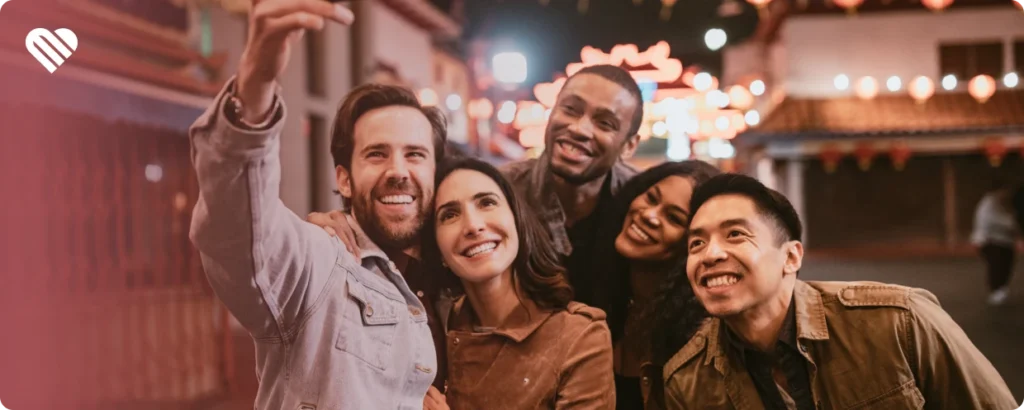
Alcohol and cannabis can both impair judgment, coordination, and reaction time, but in different ways.
Alcohol is a depressant. The results are fairly predictable. For most people, a single drink initially lowers inhibitions and promotes relaxation. As the alcohol takes effect, self-regulation can become fuzzy, leading to drinking more than you meant to, especially when drinks are strong or consumed quickly.
Cannabis effects vary more from person-to-person, based on the situation and the products. The same product that feels calm and easy for one person can feel uncomfortable for someone else. It often takes a bit of trial-and-error to figure out which cannabis products are best for you.
Dose plays a big role here, and so does the product itself. In legal markets, there are flower, vapes, tinctures, beverages, and edibles, each with a different onset and intensity. Exploration is key here. Try different products at a low dose; see how you feel. While it might take a little while to lock in on your favorite products and strains, most people find at least a few that they can count on.
Cannabis dosing can take some getting used to also. Edibles are the obvious example. Because edibles can take 30 minutes to 2 hours to kick in, people sometimes take more too soon and get higher than they meant to.
In this way, alcohol might be more familiar, but can be harder on the body, and cannabis may be more customizable, but easier to misjudge, at least for beginners.
Social Reality: What Each One Encourages
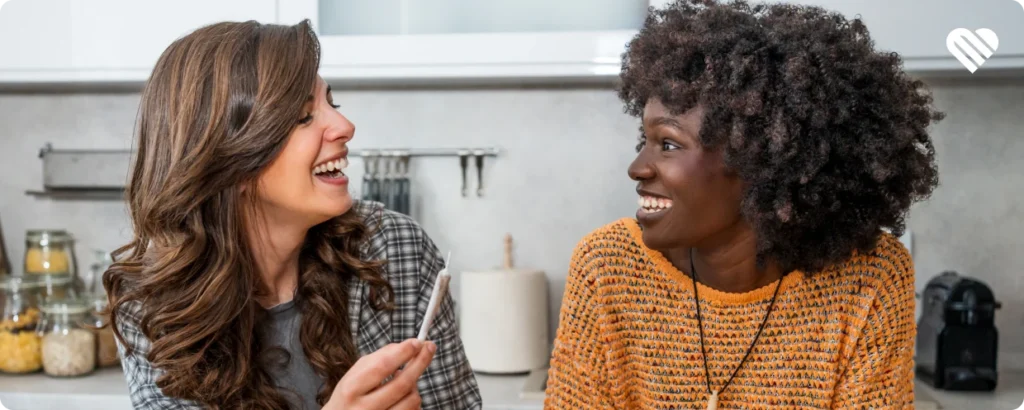
Alcohol is a social staple. It shows up at celebrations, work events, restaurants, concerts, and all kinds of everyday gatherings. Pubs, saloons, and bars served as social hubs for centuries. In many places, it’s still the default way people relax in public or loosen up around other people.
Cannabis operates differently. Most use still happens in private settings, and public consumption remains restricted in many places, even where cannabis is legal. Lounges and on-site consumption spaces are beginning to appear in some states, but remain limited.
The social effect is different, too. Alcohol often changes the tone of a room quickly. It can make people louder, looser, and more impulsive. Sometimes that’s fun and sociable. Sometimes it turns into sloppiness, bad judgment, or aggression.
Cannabis is more of a wildcard. Different strains and products will have different effects. Some will make you want to get up, get out, and get things done. Others will have you glued to the couch. That said, cannabis lets you pick the strain or product to match the vibe of your social situation.
So while alcohol remains the more socially normalized option, cannabis offers a more diverse range of experiences, but takes some trial-and-error to figure out what works best for you.
Convenience and Accessibility
Alcohol wins for basic access. It’s legal and available almost anywhere. People can order it at restaurants, buy it at grocery or convenience stores, and consume it openly in many social settings. Most adults already know what they’re getting with a beer, a glass of wine, or a mixed drink.
Cannabis is more complicated. Even in legal states, rules vary around where you can buy it, how you can carry it, and where you can use it. A product that is easy to find in one state may not even exist in another. Public use is usually more restricted too.
But cannabis offers more control over format and dose. Consumers can choose lower-dose products or non-inhaled options to better adapt to their routine.
The catch is that cannabis take a little education to get up-to-speed. Labels matter. THC strength matters. Onset time matters. That is especially true with edibles and newer hemp-derived products. Inhaled products work faster, but not everyone is comfortable smoking or vaping, and for some people, lung irritation is a real downside.
So while cannabis may offer more flexibility, alcohol is still simpler for most people to buy, use in public, and understand right away.
So Which One Is “Better”?
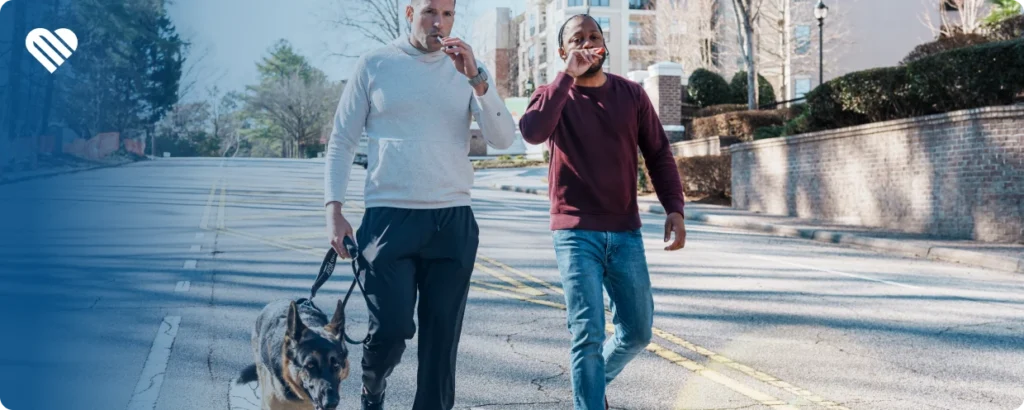
There is no universal winner here. But, one definitely has more established risks.
Alcohol carries real risk in a few ways that are hard to ignore. An overdose can be fatal. Withdrawal can be dangerous in heavy use. Long-term use is tied to organ damage and several types of cancer. And for many people, the next day is part of the cost.
Cannabis isn't without risks, but they're often temporary and far less severe. While a person's intoxicated, it can affect thinking, mood, and behavior. For some people, higher-THC products can lead to an unpleasant experience with anxiety or paranoia. And while dependency is technically possible, it's usually more of a psychological dependency, or habit, with less severe withdrawal symptoms. The overall risk pattern is different. How that plays out depends on the person.
Some people find cannabis easier to manage once they understand dose, timing, and product type.
Others find alcohol more familiar and easier to navigate, even if it is harder on the body.
And for some people, neither one is a good fit.
The risks associated with alcohol are well-established and often pretty severe. Cannabis isn't as well researched, but generally appears to have fewer negative impacts on the body, though it's not entirely without risk.
The ultimate choice comes down to which tradeoffs you are actually willing to live with. That means thinking honestly about how you want to feel, how you want to function, and what risks you are taking on in exchange.
References
- Rock KL, Englund A, Morley S, Rice K, Copeland CS. Can cannabis kill? Characteristics of deaths following cannabis use in England (1998–2020). Journal of Psychopharmacology. 2022;36(12):026988112211157. doi:https://doi.org/10.1177/02698811221115760 ↩︎
The information in this article and any included images or charts are for educational purposes only. This information is neither a substitute for, nor does it replace, professional legal advice or medical advice, diagnosis, or treatment. If you have any concerns or questions about laws, regulations, or your health, you should always consult with an attorney, physician or other licensed professional.