
In This Article
- The 5 Top Edibles and Gummies for Mood (Based on Common Consumer Reports)
- 1. CBD Gummies
- 2. THC Gummies (Low Dose)
- 3. CBD + THC Ratio Gummies
- 4. CBG Gummies
- 5. Gummies With Terpenes
- Why People Look for Gummies for Mood
- Can Gummies Really Boost Your Mood?
- How to Choose Mood-Boosting Gummies
- Reading the Labels on Mood Gummies
- What to Look For
- What to Be Cautious Of
- A Note on Mood, Mental Health, and Cannabis
- Final Thoughts
- References
Key Takeaways About Gummies for Mood
- Cannabis edibles can affect each person’s mood differently. Effects depend on ingredients, dose, and individual sensitivity.
- Mood gummies are not treatments for depression, but some people report feeling more relaxed, uplifted, or balanced after use.
- Choose products with clear labeling. > Start with low doses. > Pay attention to how specific cannabinoids affect you.
Gummies and other edibles are often one of the first cannabis products people explore because they’re familiar, discreet, and easy to use. As interest in “mood gummies” has grown, so has the interest around what those products actually do, and what they don’t do.
This article focuses on edibles and gummies for mood and how to approach gummies thoughtfully. While some people report mood-related effects from certain cannabinoids, cannabis products are not a mental health treatment. They do not treat or cure depression or other mood disorders.

The 5 Top Edibles and Gummies for Mood (Based on Common Consumer Reports)
Rather than ranking products by effectiveness, this list highlights types of gummies people commonly associate with positive mood-related experiences. Effects can vary widely.
1. CBD Gummies
CBD-only gummies are often chosen by consumers who want a non-intoxicating option. Some users report feeling calmer or less tense after use, though effects tend to be subtle and gradual.
CBD does not produce a “high” like THC and is often used by beginners exploring cannabis edibles.
2. THC Gummies (Low Dose)
Low-dose THC gummies (often 2.5–5 mg per serving) are sometimes described as producing mild euphoria or uplifted mood. For some people, higher doses can feel overwhelming, which is why starting low is especially important.
Of course, what counts as a "low dose" can vary from person to person. Typically, a low dose might be 2.5 to 5 milligrams per serving, but everyone's experience varies. Others may need less, and some consumers with higher tolerance might experience similar effects at even higher doses.
If you’re new to edibles, understanding different types of edibles can help you choose wisely.
3. CBD + THC Ratio Gummies
Gummies with balanced ratios of CBD and THC aim to combine the effects of both cannabinoids. Some people report that CBD helps soften THC’s intensity, creating a more even, manageable experience.
Other users find that balanced ratios actually amp up the effects of THC if the CBD and THC are consumed at the same time.
4. CBG Gummies
CBG is a lesser-known cannabinoid that has gained attention for its potential interaction with mood and focus. Consumer surveys suggest some people feel more clear-headed or mentally uplifted when using CBG-dominant products, though research is still limited.1
5. Gummies With Terpenes
Some gummies contain added terpenes, which are aromatic compounds found in plants. They're what give plants their notable scents, such as citrus and lavender. Terpenes like limonene are often associated with uplifting or energizing aromas, and myrcene for relaxation, though their effects in edibles may differ from those of inhaled cannabis.
Our terpenes chart for beginners breaks these terpenes down further, giving you a clearer idea of what each one does.
Why People Look for Gummies for Mood
Many people turn to cannabis edibles because they’re discreet, easy to dose, and don’t involve smoking or vaping. Consumers have become curious about how cannabis and gummies, in particular, might fit into their routine, especially when looking to unwind, relax, or feel more emotionally balanced.
It’s important to be clear: edibles and gummies are not a treatment for depression or other mood disorders. Research on cannabis and mood is still evolving, and responses vary widely from person to person.
That said, some people report that certain edibles affect their emotional state. Some report feeling calmer, more uplifted, or simply more at ease.
Understanding how and why that happens, and what to look for on a product label, can help you make more informed choices.
Can Gummies Really Boost Your Mood?
The short answer is: Maybe. Some people say they feel mood changes after using certain gummies, but results are not universal or guaranteed.
Cannabis interacts with the body’s endocannabinoid system, which plays a role in regulating things like stress response, sleep, appetite, and emotional processing. As a result, cannabinoids may subtly influence mood in some individuals. However, effects depend on several factors, including:
- Cannabinoid type
- Dose
- Product formulation
- Personal tolerance
Studies exploring cannabinoids like CBD and CBG (cannabigerol) have focused on their interaction with mood-related pathways. These findings do not mean edibles treat or cure depression. Self-directed cannabis use for emotional well-being should always be approached cautiously, especially for beginners or people managing diagnosed mental health conditions.2,3,4
If you’re new to cannabis, starting with general education, like what CBD is and how it works, can help set realistic expectations.
How to Choose Mood-Boosting Gummies
Choosing gummies for mood is less about chasing a promise and more about understanding your preferences and limits.
Here are a few helpful considerations:
- Start low and go slow. Especially with THC, lower doses reduce the risk of discomfort.
- Consider non-intoxicating options first. CBD or low-THC products are often easier for beginners.
- Pay attention to timing. Edibles can take 30 minutes to 2 hours to kick in, which affects expectations.
- Avoid added sugars if possible. High sugar intake has been associated with mood-related concerns in some populations.5,6
If you’re making your own edibles, consistency matters. Knowing how to maintain a consistent dose for DIY edibles can help reduce guesswork.
Reading the Labels on Mood Gummies
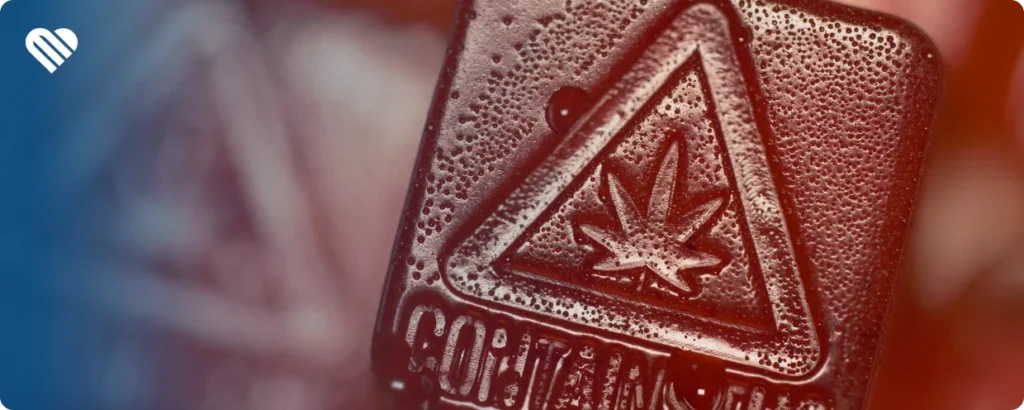
Understanding labels is one of the most important steps in choosing any cannabis edible.
What to Look For
- Cannabinoid content per serving: Check exact milligrams of THC, CBD, or CBG.
- Serving size vs. package size: Many gummy packages contain multiple servings, so be sure to check!
- Third-party lab testing: Look for COAs (certificates of analysis) that verify contents.
- Added ingredients: Sugar content, flavorings, or added terpenes can influence your experience.
What to Be Cautious Of
- Claims that promise mood improvement, happiness, or mental health outcomes
- Vague language like “guaranteed results” or “clinically proven” without context
- Products that don’t clearly list cannabinoid amounts
Clear labeling helps you make informed decisions and avoid taking more than intended.
A Note on Mood, Mental Health, and Cannabis
Cannabis products, including gummies for mood, are not substitutes for professional mental health care. Research on cannabis and mood is ongoing, and some studies suggest cannabis use may affect people differently depending on frequency, dose, and personal history.3,4
If you’re experiencing persistent low mood, depression, or emotional distress, speaking with a licensed healthcare professional is important. Cannabis should never replace evidence-based mental health treatment.
Final Thoughts
Gummies and edibles are popular because they’re approachable and easy to use, but they’re not one-size-fits-all solutions. The best approach is informed, cautious, and personal. Understand labels, start with low doses, and pay attention to how your body responds.
Education is your best tool. When used thoughtfully, cannabis edibles can be explored responsibly without unrealistic expectations.
References
- Russo EB, Cuttler C, Cooper ZD, Stueber A, Whiteley VL, Sexton M. Survey of Patients Employing Cannabigerol-Predominant Cannabis Preparations: Perceived Medical Effects, Adverse Events, and Withdrawal Symptoms. Cannabis and Cannabinoid Research. 2021;7(5). doi:https://doi.org/10.1089/can.2021.0058 ↩︎
- García-Gutiérrez MS, Navarrete F, Gasparyan A, Austrich-Olivares A, Sala F, Manzanares J. Cannabidiol: A Potential New Alternative for the Treatment of Anxiety, Depression, and Psychotic Disorders. Biomolecules. 2020; 10(11):1575. https://doi.org/10.3390/biom10111575 ↩︎
- Feingold D, Weinstein A. Cannabis and Depression. Cannabinoids and Neuropsychiatric Disorders. 2020;1264:67-80. doi:https://doi.org/10.1007/978-3-030-57369-0_5 ↩︎
- Wieckiewicz G, Stokłosa I, Stokłosa M, Gorczyca P, Pudlo R. Cannabidiol (CBD) in the Self-Treatment of Depression-Exploratory Study and a New Phenomenon of Concern for Psychiatrists. Frontiers in Psychiatry. 2022;13. doi:https://doi.org/10.3389/fpsyt.2022.837946 ↩︎
- Jackson SE, Smith L, Firth J, et al. Is there a relationship between chocolate consumption and symptoms of depression? A cross‐sectional survey of 13,626 US adults. Depression and Anxiety. 2019;36(10):987-995. doi:https://doi.org/10.1002/da.22950 ↩︎
- Zhang L, Sun H, Liu Z, Yang J, Liu Y. Association between dietary sugar intake and depression in US adults: a cross-sectional study using data from the National Health and Nutrition Examination Survey 2011–2018. BMC Psychiatry. 2024;24(1). doi:https://doi.org/10.1186/s12888-024-05531-7 ↩︎
The information in this article and any included images or charts are for educational purposes only. This information is neither a substitute for, nor does it replace, professional legal advice or medical advice, diagnosis, or treatment. If you have any concerns or questions about laws, regulations, or your health, you should always consult with an attorney, physician or other licensed professional.