In This Article
- What is Anxiety?
- What Are the Symptoms of Anxiety?
- What Can Make Someone More Likely to Experience Anxiety?
- How Could Anxiety Be Treated?
- Therapy
- Lifestyle Changes
- Medication
- Cannabis-Based Options
- What are the Effects of Medical Marijuana for Anxiety?
- THC (Low Doses)
- CBD + THC Ratios
- CBG (Cannabigerol)
- Side Effects and Risks of Using Cannabis for Anxiety
- High THC Doses May Increase Anxiety
- Risk of Dependency and Higher Tolerance
- Possible Interactions with Existing Medications
- What Does the Research Say About CBD and Anxiety?
- Potential Risks and Considerations About CBD for Anxiety
- What Does Current Research Say About Terpenes and Anxiety Symptoms?
- Limonene
- Linalool
- Caryophyllene
- Pinene
- Myrcene
- Bisabolol and Terpinolene
- Cadinene, Guaiol and Eudesmol
- Popular Calming Strains Based on Consumer Reviews
- White Widow
- Harlequin
- Blue Dream
- ACDC
- Girl Scout Cookies (GSC)
- Can You Get a Medical Card for Anxiety?
- References
Key Takeaways About Medical Marijuana for Anxiety
- Anxiety is the most common mental health concern in the United States.
- Some doctors and patients report treating symptoms of anxiety with medical cannabis.
- Specific cannabinoids and cannabis cultivars have demonstrated possible anti-anxiety properties, though everyone’s experience varies.
More than 40 million American adults have an anxiety disorder, according to the National Alliance on Mental Illness (NAMI). It makes the condition the most common mental health concern in the United States.
While many treat anxiety with prescription drugs, these remedies don't work for everyone. Traditional medications can come with high costs and the risk of serious side effects, including dependency and addiction. As a result, many with anxiety look for alternative treatment options.
Some preliminary studies suggest using medical marijuana for anxiety may have anxiolytic (anti-anxiety) effects in certain individuals. And patient stories about finding relief through cannabis seem to support these findings.
But cannabis, like shoes, isn’t one size fits all. The wrong product, dose, or setting could increase feelings of anxiety for some users. Which begs the question: when is medical cannabis a treatment option for anxiety symptoms?

What is Anxiety?
Anxiety is a psychological and physiological response to stress or a perceived threat. It often feels like:
- Fear.
- Nervousness.
- Worry about something happening now, or happening soon.
Anxiety can have different triggers and display different symptoms, depending on the individual. Feeling anxious from time to time is as normal as feeling hungry, tired, or upset about politics. But according to the American Psychiatric Association, it could be an anxiety disorder when:
- Anxious feelings become too intense,
- Don’t match the situation, or
- Make it hard to go about your daily life.
A mental health professional can determine if you’re experiencing “normal” stress or an anxiety disorder that may benefit from professional treatment.
There has been ongoing discussion about whether medical marijuana can help with anxiety. Some states, like New Jersey and Pennsylvania, list anxiety as a condition that qualifies for medical cannabis. Others, like California, Oklahoma, and Missouri, let doctors decide if cannabis could help, even if the condition isn’t officially listed. And a handful of medical cannabis states don’t list any mental health conditions, though related symptoms, like pain or sleep difficulties, may qualify.
What Are the Symptoms of Anxiety?
The most obvious symptom of anxiety is a feeling of fear or nervousness or “impending doom.” It may accompany a sense that you're in immediate danger.
Often, when you're experiencing anxiety, your body will exhibit physiological symptoms. These may include:
- Heart palpitations.
- Sweating.
- Nausea.
- Hyperventilating.
- Trembling.
It may be difficult to think straight, with your thoughts fixated on whatever is causing the anxiety. This may also cause restlessness or irritability.
As a reminder, everyone feels anxiety from time to time. It's a perfectly natural psychological and physiological response to stress or a perceived danger, even if the threat isn’t real in a physical sense. For example, the fear of being turned down by a romantic interest can trigger the same symptoms – heart palpitations, sweating, trembling – that you might experience if you notice halfway through a hike that a bear is watching you and licking its chops.
Feeling anxious from time to time isn't enough to technically "have anxiety." According to the American Journal of Psychiatry, to formally be diagnosed with an anxiety disorder:
- You must feel the symptoms more days than not for over six months, and
- The symptoms must be intense enough to cause clinical distress in social, work, or other areas of life.
What Can Make Someone More Likely to Experience Anxiety?
Anxiety doesn’t have a single cause. Often, it’s the result of a mix of factors, such as:
- Family history: Anxiety can run in families, especially where mental illness is more common.
- Chronic health issues: Long-term health problems can be stressful and may lead to anxiety over time.
- Personality traits: Perfectionism, high-stress personalities, or a tendency to overthink can increase the risk of experiencing anxiety symptoms.
- Past trauma: Emotional or psychological trauma is a significant risk factor for anxiety disorders.
- Ongoing stress: Big life changes, money problems, work pressure, or family conflict can all add up.
- Other mental health conditions: Depression, PTSD, sleep issues, substance use, and more can often overlap with anxiety.
The information in this website, including but not limited to images, graphics, text and other materials, is included for informational purposes only. None of the material on this site is intended to substitute for professional medical advice. Always seek advice from your qualified physician or healthcare provider if you have questions before starting any new healthcare regimen, and never disregard professional medical advice based on anything you read on this website or any other website.
This information, including images, is not medical advice. Consult a physician before starting or stopping medications or herbs, including cannabis. Information not evaluated by FDA and not intended to diagnose, treat, cure, or prevent disease.
How Could Anxiety Be Treated?
There isn’t one “right” way to treat anxiety. Like most remedies, what works for one person may not work for another.
When it comes to treating anxiety, a combination of approaches tend to work best.
Therapy
Talk therapy is one of the most common ways to manage anxiety. Many mental health professionals recommend it before or alongside medications.
The most widely used therapy for anxiety – but certainly not the only one – is Cognitive Behavioral Therapy (CBT). CBT helps patients understand how their thoughts affect their feelings, then learn how to shift those patterns to feel more in control from day to day.
Lifestyle Changes
Small shifts in daily habits can give anxiety a swift kick to the curb.
- Regular exercise.
- Balanced meals.
- Limiting alcohol or substance use.
- Creating a calm, organized environment.
- Better sleep routines.
Medication
In some cases, doctors may prescribe medication to help manage symptoms, especially when anxiety becomes hard to handle day-to-day. These prescriptions are typically paired with therapy and reviewed regularly so dosage can be reduced as the patient feels better.
Cannabis-Based Options
In states where it’s allowed, some patients may be eligible for medical cannabis to help manage anxiety symptoms.
If you're curious about medical cannabis and managing anxiety, it's best to speak with a licensed provider.
What are the Effects of Medical Marijuana for Anxiety?

Research into cannabis and anxiety is still developing. For now, available studies offer hints to potential benefits by exploring how certain cannabinoids may affect anxiety-related symptoms.
THC (Low Doses)
Some studies suggest that low doses of THC may interact with CB1 receptors in the brain to help reduce anxiety in certain individuals. However, higher doses may increase the risk of anxiety or paranoia, especially in those sensitive to THC.1
Think of THC like cake: one piece can be satisfying, but too much can leave you feeling sick.
This has led to growing interest in microdosing THC. Users take very small amounts to try to get the reported benefits of THC while avoiding intoxication or negative side effects.
CBD + THC Ratios
CBD is being studied for its potential calming properties. Some research has explored whether combining high-CBD and low-THC ratios may increase those calming effects.
CBG (Cannabigerol)
Minor cannabinoids like CBG are also being explored for their potential benefits.2 In a 2024 study, participants who took 20mg of CBG self-reported lower levels of stress and anxiety, though more research is needed to confirm these findings.3
Side Effects and Risks of Using Cannabis for Anxiety
Cannabis is like a day at the beach. Most people soak in the sun and go home feeling refreshed. But some end up sunburnt and traumatized by jellyfish.
Cannabis has both positive and negative side effects. Some patients experience all the good and none of the bad, and some experience the opposite. Most often, the intensity and type of effects will depend on the product type, strain, and dosage the patient uses.
Some risks of using cannabis might include:
- Overconsumption: Proper dosages vary from patient to patient, which increases the risk of potentially consuming too much.
- Adverse psychological effects: Serious side effects like hallucinations, psychosis, or depersonalization are uncommon but can occur, especially after heavy use.
- Sedative effects impacting motivation: Cannabis may cause intense fatigue or sleepiness (the "couch lock" effect), depending on the dose and product.
High THC Doses May Increase Anxiety
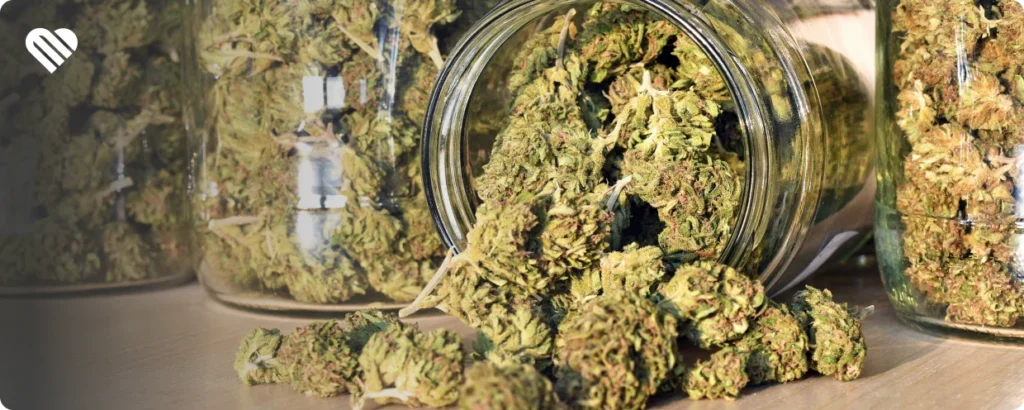
Higher doses of THC may cause or worsen anxiety, especially in patients sensitive to THC.
Edibles are a common culprit, as their effects take longer to set in and often last much longer than those of other methods. This can lead many consumers to take an extra dose before the first fully settles in. Like adding a Jenga piece to the top of the stack when the tower’s still swaying.
Keep in mind:
- Effects from inhaled cannabis may wear off faster than effects from edibles, but dose and individual tolerance still matter.
- Experiences vary widely. A dose or product that feels calming for one person might trigger anxiety in another.
Risk of Dependency and Higher Tolerance
Some studies suggest that individuals with anxiety disorders may be more likely to develop cannabis dependency. Consumers can also build up a tolerance for THC over time. This can lead to:
- Needing higher doses to feel the same effects (increasing costs and potential side effects).
- Difficulty cutting back or stopping.
If cannabis is used frequently, it may increase the risk of dependency or reduce the effectiveness of other coping strategies. This could lead to a possible worsening of anxiety symptoms over time.
Possible Interactions with Existing Medications
Cannabis may interact with certain anxiety medications, especially those that affect the brain’s neurotransmitters. These interactions could affect how those medications – or cannabis – work in the body, reducing desired outcomes and increasing undesired side effects.
It's important to consult a doctor before combining cannabis with prescription treatments for anxiety.
What Does the Research Say About CBD and Anxiety?

Although CBD isn’t approved as a treatment for anxiety, research suggests that it may influence how the body responds to stress.
Early findings suggest that CBD may have a calming effect on certain individuals.
- One review found that CBD may work with parts of the brain to help regulate mood and reduce anxiety in a simulated public speaking test.1,4
- A 2019 case series in The Permanente Journal found that patients reported lower anxiety levels within the first month of using CBD.5
- A study from New Zealand found that patients using CBD saw improvements in pain, anxiety, and depression with no significant side effects.6
- A 2020 review also described CBD as a promising option for managing symptoms of anxiety.7
While these results are promising, larger-scale, long-term studies are needed to understand how CBD impacts anxiety symptoms.
And results vary depending on factors like dosage, the person using CBD, and whether other cannabinoids are in the product.8,9
Potential Risks and Considerations About CBD for Anxiety
CBD is like a stranger asking if they can pet your dog: it’s generally well-tolerated, but there are still some risks to be aware of.
- CBD may interact with certain medications, particularly those that affect liver enzymes (like SSRIs or benzodiazepines).10
- In some cases, CBD side effects like drowsiness, dry mouth, or changes in appetite have been reported.7
- Like with any supplement or over-the-counter product, it’s important to talk to your doctor before adding CBD to your routine.
What Does Current Research Say About Terpenes and Anxiety Symptoms?
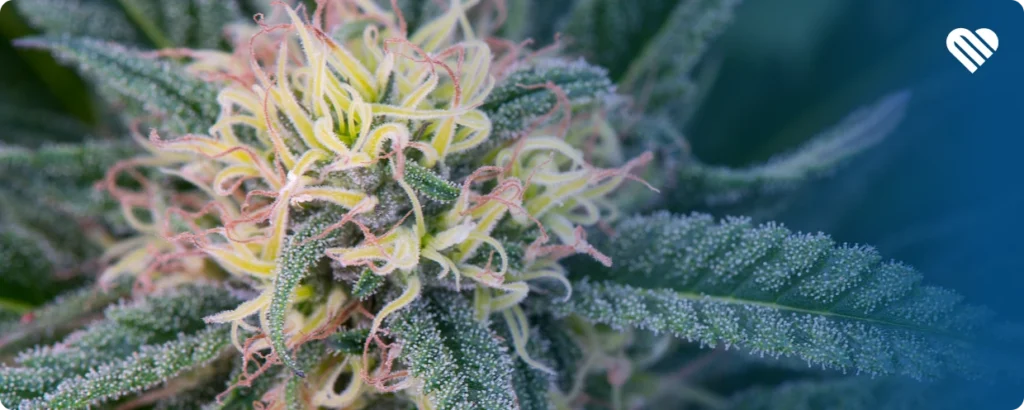
Terpenes are aromatic molecules within cannabis and other plants. They can influence a plant or strain's flavor, smell, and effects.
Some terpenes have demonstrated a unique flair for anxiety relief, though research is limited. Others may be more likely to increase anxiety. While studies tend to test terpenes in higher quantities than consumers will find in commercial cannabis products, the results shine a light on potential effects and applications many doctors and pharmacists consider when speaking to patients about medical cannabis.
Limonene
Limonene doesn’t attach to the body's cannabinoid receptors as readily as some other terpenes, but it may still serve a role in boosting the entourage effect.
Animal and in vitro studies suggest that limonene may affect how serotonin and dopamine work in the brain; however, human evidence is limited. This influence may lead to anti-anxiety, anti-stress, and sedative effects.11
Linalool
Linalool contributes to lavender’s floral aroma and is present in some cannabis strains. It is commonly used in aromatherapy, and some preclinical research suggests it may have calming or stress-reducing properties. However, studies on linalool’s effects have primarily been conducted in animal models or in non-cannabis contexts. More research is needed to understand its potential role in cannabis.12
Caryophyllene
Caryophyllene can interact directly with the body’s cannabinoid receptors, and preclinical research suggests it may have anti-inflammatory and stress-relieving properties. However, current evidence comes mainly from animal studies. More human research is needed to determine its potential effects on anxiety or pain.13
Pinene
Pinene is found in pine trees and many cannabis strains, and is being studied for its potential effects on mood. Some animal studies have explored whether α-pinene and β-pinene may reduce anxiety-like and depressive behaviors. Pinene has also shown possible anti-inflammatory and neuroprotective properties in preclinical research.
Some researchers speculate that the effects could be enhanced by combining pinene with other terpenes like linalool. However, more research is needed to understand how pinene may affect anxiety or stress in humans.1,4
Myrcene
Myrcene is one of the most prevalent terpenes in cannabis and is often associated with its earthy aroma. It has been studied in preclinical and early human research for potential calming and mood-modulating effects.
One small study published in Frontiers in Nutrition reported that participants who inhaled a cannabis essential oil containing 22.9% myrcene described feeling calmer and more relaxed. However, the product also contained other active compounds, making it unclear which component was responsible for these effects. Commercial cannabis products are unlikely to contain such high quantities of myrcene. More controlled clinical research is needed to understand myrcene’s individual role, if any, in stress response or mood support.13
Bisabolol and Terpinolene
Bisabolol and terpinolene may sound like b-list Pokemon, but they’re actually lesser-known terpenes found in cannabis and other plants like chamomile and nutmeg.
Some preclinical animal studies have investigated their potential calming or stress-relieving effects. Bisabolol has also been studied for its possible role in pain modulation and sedation in animal models. However, more research is needed to determine whether these effects are relevant or replicable in humans.14
Cadinene, Guaiol and Eudesmol
These lesser-studied terpenes are found in small amounts in some cannabis strains. They're sometimes included in early-stage research for their potential effects on mood and stress.
In one preclinical study, an essential oil with cadinene, guaiol, eudesmol, and caryophyllene was associated with reduced anxiety-like behaviors in animal models. However, these findings haven't been tested in humans. Likewise, the individual contribution of each terpene was unclear. More research is needed to explore their potential roles.15
Popular Calming Strains Based on Consumer Reviews
The best strains for anxiety vary from person to person, as everyone is different, and some will find that no strains work for their symptoms.
The following strains have been mentioned by some cannabis users as promoting relaxation or a sense of calm.
The information in this website, including but not limited to images, graphics, text and other materials, is included for informational purposes only. None of the material on this site is intended to substitute for professional medical advice. Always seek advice from your qualified physician or healthcare provider if you have questions before starting any new healthcare regimen, and never disregard professional medical advice based on anything you read on this website or any other website.
This information, including images, is not medical advice. Consult a physician before starting or stopping medications or herbs, including cannabis. Information not evaluated by FDA and not intended to diagnose, treat, cure, or prevent disease.
White Widow
For some, White Widow unlocks a more talkative, laid-back session. While it typically doesn’t contain CBD, it may have a lower THC level and a small amount of CBG. Some claim the combo delivers a calming but energizing experience.
Harlequin
Harlequin is known for its high CBD and low THC profile. Some users report it providing a clear-headed, energizing experience during the day. Others say it helps them unwind or feel more balanced. Its effects will vary.
Harlequin typically has a 2:1 ratio of CBD to THC, but this can vary by harvest; look at the certificate of analysis (COA) or speak to your budtender or cannabis pharmacist to verify.
Blue Dream
Blue Dream often sits between 18 and 24% THC and may stimulate an uplifted creativity. Its combination of cannabinoids and terpenes might make some users feel paranoid, so be sure to start low and go slow with this one.
ACDC
A CBD-dominant, low-THC variety like ACDC delivers limited intoxicating effects, allowing all but the most THC-sensitive patients to enjoy the benefits without feeling thunderstruck. Patients report using the strain for various ailments, including pain, epilepsy, and anxiety. While ACDC makes some users feel focused and uplifted, it can also stimulate deep relaxation.
Girl Scout Cookies (GSC)
Girl Scout Cookies is a famous cultivar with a legendary reputation. Patients who use GSC commonly report effects like body relaxation, euphoria, sociability, and increased energy. The blend of effects may explain why some users gravitate toward GSC when seeking relaxation or emotional balance, though individual experiences vary.
Can You Get a Medical Card for Anxiety?
It depends on where you live. Some states, like New Jersey and Pennsylvania, list anxiety as a qualifying condition for medical cannabis. Others, including California and Missouri, leave it up to the doctor to decide if cannabis might help. Rules vary widely, so it’s a good idea to check your state's guidelines to see if anxiety is a qualifying condition near you.
References
- Sharpe L, Sinclair J, Kramer A, de Manincor M, Sarris J. Cannabis, a cause for anxiety? A critical appraisal of the anxiogenic and anxiolytic properties. J Transl Med. 2020;18(1):374. Published 2020 Oct 2. doi:10.1186/s12967-020-02518-2 ↩︎
- Russo EB, Cuttler C, Cooper ZD, Stueber A, Whiteley VL, Sexton M. Survey of Patients Employing Cannabigerol-Predominant Cannabis Preparations: Perceived Medical Effects, Adverse Events, and Withdrawal Symptoms. Cannabis Cannabinoid Res. 2022;7(5):706-716. doi:10.1089/can.2021.0058 ↩︎
- Cuttler C, Stueber A, Cooper ZD, Russo E. Acute effects of cannabigerol on anxiety, stress, and mood: a double-blind, placebo-controlled, crossover, field trial. Scientific Reports. 2024;14(1). doi:https://doi.org/10.1038/s41598-024-66879-0 ↩︎
- Blessing, E. M., Steenkamp, M. M., Manzanares, J., & Marmar, C. R. (2015). Cannabidiol as a potential treatment for anxiety disorders. Neurotherapeutics, 12(4), 825–836. https://doi.org/10.1007/s13311-015-0387-1 ↩︎
- Shannon, S., Lewis, N., Lee, H., & Hughes, S. (2019). Cannabidiol in anxiety and sleep: A large case series. The Permanente Journal, 23, 18-041. https://doi.org/10.7812/TPP/18-041 ↩︎
- Gulbransen, G., Xu, W., & Arroll, B. (2020). Cannabidiol prescription in clinical practice: An audit on the first 400 patients in New Zealand. BJGP Open, 4(1), bjgpopen20X101010. https://doi.org/10.3399/bjgpopen20X101010 ↩︎
- Skelley, J. W., Deas, C. M., Curren, Z., & Ennis, J. (2020). Use of cannabidiol in anxiety and anxiety-related disorders. Journal of the American Pharmacists Association, 60(1), 253–261. https://doi.org/10.1016/j.japh.2019.11.008 ↩︎
- MacCallum, C. A., & Russo, E. B. (2018). Practical considerations in medical cannabis administration and dosing. European Journal of Internal Medicine, 49, 12–19. https://doi.org/10.1016/j.ejim.2018.01.004 ↩︎
- Linares, I. M., Zuardi, A. W., Pereira, L. C., et al. (2019). Cannabidiol presents an inverted U-shaped dose-response curve in a simulated public speaking test. Revista Brasileira de Psiquiatria, 41(1), 9–14. https://doi.org/10.1590/1516-4446-2017-0015 ↩︎
- Iffland, K., & Grotenhermen, F. (2017). An update on safety and side effects of cannabidiol: A review of clinical data and relevant animal studies. Cannabis and Cannabinoid Research, 2(1), 139–154. https://doi.org/10.1089/can.2016.0034 ↩︎
- Sommano SR, Chittasupho C, Ruksiriwanich W, Jantrawut P. The Cannabis Terpenes. Molecules. 2020;25(24):5792. Published 2020 Dec 8. doi:10.3390/molecules25245792 ↩︎
- Weston-Green K, Clunas H, Jimenez Naranjo C. A Review of the Potential Use of Pinene and Linalool as Terpene-Based Medicines for Brain Health: Discovering Novel Therapeutics in the Flavours and Fragrances of Cannabis. Frontiers in Psychiatry. 2021;12. doi:https://doi.org/10.3389/fpsyt.2021.583211 ↩︎
- Surendran S, Qassadi F, Surendran G, Lilley D, Heinrich M. Myrcene—What Are the Potential Health Benefits of This Flavouring and Aroma Agent? Frontiers in Nutrition. 2021;8. doi:https://doi.org/10.3389/fnut.2021.699666 ↩︎
- Johnson AL, Verbitsky R, Hudson J, Dean R, Hamilton TJ. Cannabinoid type-2 receptors modulate terpene induced anxiety-reduction in zebrafish. Biomedicine & Pharmacotherapy. 2023;168:115760. doi:https://doi.org/10.1016/j.biopha.2023.115760 ↩︎
- Ferber SG, Namdar D, Hen-Shoval D, et al. The "Entourage Effect": Terpenes Coupled with Cannabinoids for the Treatment of Mood Disorders and Anxiety Disorders. Curr Neuropharmacol. 2020;18(2):87-96. doi:10.2174/1570159X17666190903103923 ↩︎
The information in this article and any included images or charts are for educational purposes only. This information is neither a substitute for, nor does it replace, professional legal advice or medical advice, diagnosis, or treatment. If you have any concerns or questions about laws, regulations, or your health, you should always consult with an attorney, physician or other licensed professional.