

In This Article
- Cannabis Voters Are A Significant Part Of The Electorate
- Why Cannabis Policy Matters To Voters
- Cannabis Issues And Voter Turnout
- Cannabis As An Emerging Midterm Issue
- How Cannabis Voters React To Policy Changes
- When Anti‑Cannabis Messaging Backfires
- How To Evaluate A Candidate’s Cannabis Record
- General Tips For Voting Safely And Confidently
- Looking Ahead to November
The cannabis community represents a meaningful share of the American electorate, and its voting power is becoming more apparent with each cycle. Cannabis consumers tend to participate at high rates, and their support for candidates who take cannabis policy seriously can influence close races. With the midterm elections approaching, that influence is especially relevant in states where cannabis remains a prominent political issue.
Cannabis is directly on the November ballot in Massachusetts, where prohibitionists are pushing a measure to repeal recreational cannabis and home cultivation. In other states, cannabis policy is not up for a direct vote, but it remains part of active legislative discussions and campaign messaging.
Candidates who support reform often highlight those positions to connect with voters who care about the issue. As voters prepare for the midterm election, cannabis continues to shape how many people assess the promises they hear and the progress they expect to see.

Cannabis Voters Are A Significant Part Of The Electorate
Cannabis consumers make up a large and diverse share of the voting population, and multiple surveys show that they participate at notably high rates. NuggMD’s national polling over several election cycles has found that most cannabis consumers report voting regularly, and many say cannabis policy is one of the issues they pay attention to when evaluating candidates.
In a 2024 NuggMD survey, 73% of respondents said a pro‑cannabis policy can directly influence their vote, and another 10% said cannabis is the only issue they care about. These findings help illustrate why cannabis voters have become a consistent presence in competitive races.
Academic research also supports the idea that cannabis voters are attentive and engaged. A study published in the Journal of Cannabis Research found that cannabis‑related search activity increases during election periods, suggesting that voters are actively seeking information about policy, candidates, and ballot measures.
As campaigns move toward the midterm elections, the size and consistency of this community remain important factors in understanding how voters respond to cannabis issues.
Why Cannabis Policy Matters To Voters
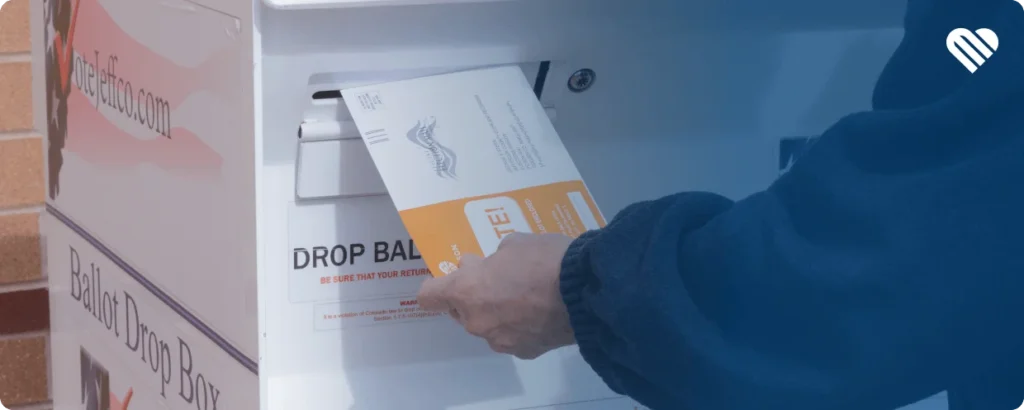
Cannabis policy has become a meaningful factor in how many Americans evaluate candidates, even in races where cannabis is not the central issue. In the NuggMD 2024 election poll, 59% of voters said they were more likely to support a candidate who backs cannabis reform regardless of party affiliation. This reflects a broader trend in which cannabis positions serve as a signal of how candidates approach personal freedom, public health, and criminal justice.
For some voters, cannabis policy is tied to expectations about how responsive candidates are to issues that affect their daily lives. When candidates address cannabis reform directly, voters who care about the issue often see it as a sign the candidate is willing to engage with what matters to them. This can strengthen trust and increase interest in a candidate’s broader platform.
In competitive races, these dynamics can shape how voters compare candidates who take clear positions on cannabis with those who avoid the subject.
As the midterm elections approach, cannabis remains a policy area where voters look for clarity, consistency, and evidence of progress. Candidates who articulate specific reform plans often draw attention from voters seeking progress on issues such as access, regulation, and criminal justice.
For these voters, cannabis policy is not an isolated topic. It is part of a larger conversation about how elected officials respond to public priorities and how they plan to address issues debated for years.
Cannabis Issues And Voter Turnout
Cannabis voters have shown high participation rates, and their engagement has become a consistent factor in recent elections. In NuggMD’s 2024 national polling, 93% of cannabis consumers said they voted in the last election. This level of participation suggests cannabis voters are not only attentive to policy discussions but also willing to act on their views at the ballot box.
Their turnout has also carried weight in competitive states. NuggMD’s analysis found that cannabis voters had the potential to influence outcomes in several swing states, where margins were narrow enough for motivated, issue‑based voters to matter. Even in states without cannabis on the ballot, cannabis policy sometimes appears in campaign messaging, which can help sustain voter interest and reinforce turnout among people who care about reform.
With the midterm elections only weeks away, cannabis remains a topic that can energize voters who want to see progress on issues such as access, regulation, and criminal justice. The combination of high participation rates and strong interest in cannabis policy makes this community a notable part of the electorate, especially in races where small shifts in turnout can affect the final result.
Cannabis As An Emerging Midterm Issue

Cannabis has become a visible part of midterm election messaging, even in states where voters are not deciding legalization directly.
Reporting from CNBC shows that candidates in both major parties are addressing cannabis reform as part of their broader campaign platforms. Some highlight support for medical or adult‑use legalization, while others focus on regulatory changes or enforcement priorities. These positions help candidates connect with voters who want to see progress on cannabis issues and pay close attention to how officials address the topic.
In states without cannabis on the ballot, the issue still appears in legislative debates and campaign discussions. Candidates who support reform frequently use cannabis policy to signal where they stand on questions related to personal freedom, public health, and criminal justice. For voters who care about cannabis, these signals can help distinguish candidates who are willing to address the issue from those who avoid it.
As the midterm election season intensifies, cannabis continues to surface in interviews, debates, and policy outlines. This reflects a broader trend in which cannabis is part of the political conversation in many states and remains a point of interest for voters seeking progress on the topic.
How Cannabis Voters React To Policy Changes
Cannabis voters tend to respond directly to movement on cannabis policy, and their views often shift based on whether elected officials take action or allow issues to stall. NuggMD’s polling over several cycles shows that cannabis consumers track policy developments closely and adjust their opinions when they see progress, delays, or reversals.
Polling by NuggMD covered by Marijuna Moment also shows that cannabis consumers can shift their approval quickly when they believe federal action has stalled, including recent drops in support after doubts that rescheduling would be completed this year. This pattern has appeared in quarterly approval data, where support for federal leadership among cannabis voters has risen or fallen depending on how much momentum they perceive for reform.
These shifts reflect a broader expectation among cannabis voters that elected officials should address issues such as access, regulation, and criminal justice. When candidates or officeholders advance reforms, many cannabis voters interpret those steps as signs of responsiveness and commitment. When progress slows, some voters become less confident that officials will follow through on their cannabis‑related promises.
This responsiveness helps explain why cannabis remains a meaningful part of how voters evaluate political leadership. For many cannabis voters, policy movement is not just a matter of ideology. It measures whether officials are willing to act on issues and intend to deliver the changes voters expect.
When Anti‑Cannabis Messaging Backfires
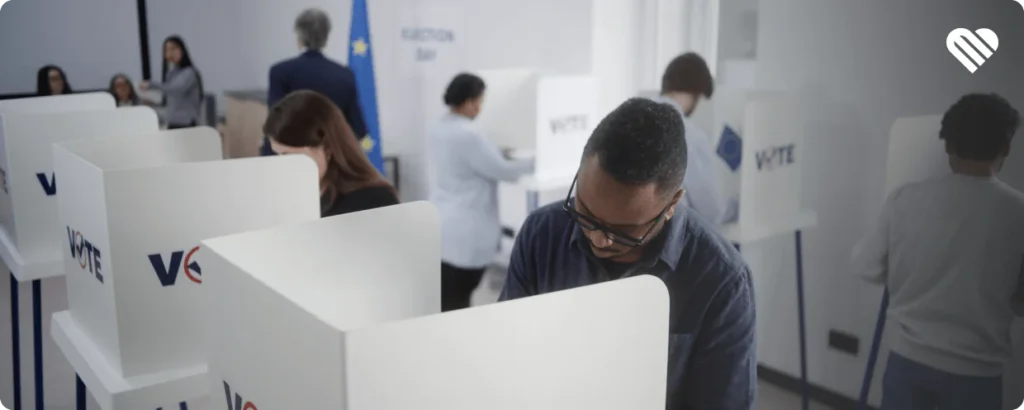
Anti‑cannabis messaging can create political risks for candidates who continue to rely on older arguments about cannabis. Reporting from Slate shows that prohibitionist claims often clash with how voters now view legalization, especially when cannabis has been part of daily life for years. Messaging that frames cannabis as a threat to public safety or social order can feel disconnected from the realities of regulated markets and from how many voters experience legal cannabis in their communities.
Candidates who emphasize tough‑on‑drugs themes or warn about the dangers of legalization may find that these arguments no longer resonate with voters who support reform. When people expect continued progress on issues such as access, regulation, and criminal justice, messaging that suggests a return to older policies can create friction. This disconnect can make some voters less receptive to a candidate’s broader platform, particularly when cannabis is one of the issues they follow closely.
These dynamics help explain why cannabis remains a sensitive topic for candidates who oppose reform. In states where legalization has shaped public expectations, anti‑cannabis messaging can signal a gap between campaign rhetoric and the direction voters believe cannabis policy should continue to move.
How To Evaluate A Candidate’s Cannabis Record
Cannabis voters often look for clear signals in a candidate’s record. Cannabis policy can reflect how a candidate approaches personal freedom, public health, and criminal justice, so voters pay attention to whether a candidate’s positions match the direction legalization has taken. Reporting from Slate shows that candidates who rely on older arguments about cannabis can appear out of step with voters who have grown accustomed to legal markets.
One way to evaluate a candidate’s cannabis record is to compare their statements and actions. Voters can look at how candidates talk about legalization and regulation, whether they emphasize public safety risks, and how they address issues such as access and criminal justice reform. Past votes, public statements, and how a candidate responds when cannabis becomes part of a campaign all help show whether their position is consistent.
For many cannabis voters, these signals are part of how they decide if a candidate aligns with their expectations for continued movement on cannabis policy. A record that matches current realities and voter priorities can strengthen support, while messaging that suggests a return to older policies can raise doubts.
General Tips For Voting Safely And Confidently

Voters who want to participate in the midterm elections can take a few simple steps to stay safe and make sure their vote is counted. Checking your registration status ahead of time helps avoid last‑minute issues, and confirming your polling place or mail‑in ballot instructions can prevent delays on Election Day.
If you plan to vote in person, bring a valid ID where required and arrive early to help reduce wait times. For mail‑in voters, returning ballots as soon as possible and following all signature and envelope instructions helps ensure they are accepted. Staying aware of official guidance from your state or county election office can also help you avoid misinformation and keep the voting process straightforward.
Looking Ahead to November
Cannabis continues to shape how voters assess candidates, and many consumers watch closely to see whether campaign statements match a candidate’s record and their party’s stance.
With cannabis expected to remain part of midterm messaging, voters who care about reform often look for real movement on access, regulation, and criminal justice. As cannabis remains a topic of national debate, these voters can influence outcomes across the ballot by weighing promises against past actions and the direction they want cannabis policy to take.
The information in this article and any included images or charts are for educational purposes only. This information is neither a substitute for, nor does it replace, professional legal advice or medical advice, diagnosis, or treatment. If you have any concerns or questions about laws, regulations, or your health, you should always consult with an attorney, physician or other licensed professional.