
In This Article
- How to Grow Cannabis in the Winter Indoors
- What You’ll Need for Your Indoor Grow
- Setting Up an Indoor Grow
- Tips for Growing Healthy Plants Indoors
- When to Harvest
- How Cold is Too Cold?
- How to Grow Cannabis in Winter Outdoors (Climate Permitting)
- What You’ll Need
- Setting Up the Greenhouse Grow
- Tips for Growing Healthy Plants in a Greenhouse
- When to Harvest
- The Main Ways Growing Cannabis in Winter Is Different
- Best Strains for Winter Growing
Key Takeaways About Growing Cannabis in Winter
- It is possible to grow cannabis in winter, with stable indoor conditions.
- Proper temperatures, lighting, and soil support are crucial to the indoor growing process.
- Maintaining the quality of an indoor setup is just as important as monitoring the development of the cannabis crops.
Growing cannabis in winter is possible, even for medical patients and other homegrow cultivators. Winter cultivation, where possible and legally allowed, often helps these individuals maintain a steady supply of their favorite strains year-round.
To achieve a successful winter crop, most growers rely on indoor cultivation setups, which allow for consistent control of temperature, light, and airflow throughout the weeks-long process. With cold seasons bringing short days, low temperatures, and shifting conditions, cultivators need stable indoor environments to maintain healthy growth.
How to Grow Cannabis in the Winter Indoors
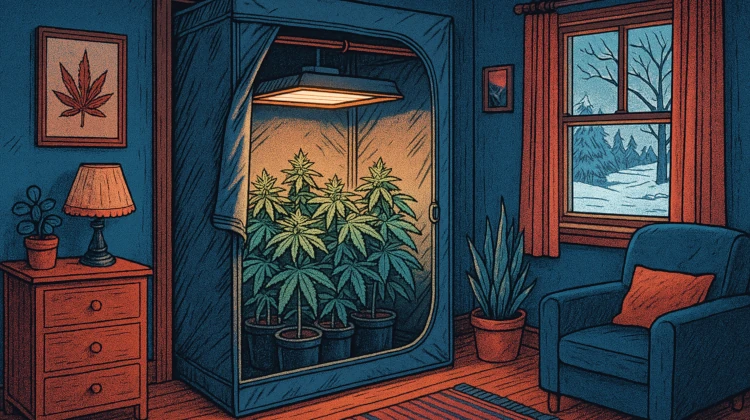
One of the most important parts of plant health is keeping the roots warm, as it promotes better nutrient and water absorption, stimulates root and shoot growth, and improves the plant's overall metabolic function. This is why winter cannabis cultivation works best indoors because it shields plants from seasonal elements, such as cold air, that can slow growth.
With a bit of work, the space, heat, and lighting, the environment stays predictable. Indoor grows also make humidity easier to manage. Beyond that, they help mitigate winter’s short days with reliable lighting, replicating the ideal light cycles needed to grow seedlings into plants.
Growing cannabis does take some know-how, and seasoned growers certainly benefit from precise techniques. But with the proper fundamentals, newcomers and intermediate growers alike can produce impressive winter crops.
Many start with a simple, budget-friendly setup. That often includes a small tent, basic ventilation, and a reliable grow light. This setup keeps things manageable while learning.
From there, scale the operation whenever it feels right. While it’s absolutely possible to begin with a larger build-out, easing into the process helps minimize early mistakes and makes each learning stage more rewarding.
What You’ll Need for Your Indoor Grow
Growing cannabis indoors requires a few key components. They include:
- Grow tent or dedicated indoor space
- Grow light(s) with timed settings
- Ventilation system
- Temperature and humidity monitors and controls
- Soil that supports root health
Winter grows may require additional small heaters if the surrounding area runs cold. These heaters should stay outside the tent. Or, be kept far enough away from the plants so that they don’t negatively affect the temperature and the plant’s growth.
Setting Up an Indoor Grow
Indoor cannabis grow operations work best when the tent or space has stable temperatures and conditions ideal for plant growth. For vegetative growth, most cultivators aim for temperatures between 70°F and 85°F (21°C-29°C) with a relative humidity of 40-60%. When the plants enter the flowering stage, slightly cooler temperatures are best, with a typical range between 68°F to 78°F (20°C-25°C), combined with a lower humidity of 40-50%.
Most grows typically aim for a warm environment during the day and slightly cooler at night. This cadence helps avoid sudden temperature drops, which can harm plants, particularly during their early phases.
Keep in mind that humidity changes during winter. During the season, indoor heating tends to produce drier air, which can, in turn, dry out plant leaves. In some cases, small humidifiers may also be employed to moisten the air.
Beyond temperature and humidity, lighting is crucial to any grow. Winter daylight hours are shorter, and artificial lighting helps fill the gaps in sunlight needed to promote proper development. LED lights on timers keep the light cycle consistent, so plants grow as if they’re basking in summer sun year-round.
Airflow is another essential consideration, with indoor ventilation keeping fresh air moving through the leaves while also reducing moisture buildup. Additionally, many indoor setups use small inline fans to draw air through the tent.
Tips for Growing Healthy Plants Indoors
A few simple habits make all the difference to a quality winter cannabis grow.
When setting up an indoor space, be sure to:
- Keep temperatures stable
- Check soil moisture often
- Adjust fan speed to align with plant size
- Monitor for slow growth due to cold drafts
- Give plants enough light, especially during winter days
When to Harvest
Winter indoor cannabis harvests are set up to mirror the spring-to-fall seasons with their controlled settings. Growers usually monitor flower development rather than the calendar. This is often done using magnifiers to observe trichome growth.
Growers typically look for white or amber buds on the flower for an indication that it’s time to harvest. These trichomes, or mushroom-like glands found on cannabis buds, are often noticed around the eight- to twelve-week mark, depending on strain and plant size.
How Cold is Too Cold?
Cannabis growth slows or stops when temperatures drop too low. In most cases, plant development slows when the temperature dips below 60°F (15°C), and freezing temperatures (32°F or 0°C) are likely to severely damage or kill crops.
How to Grow Cannabis in Winter Outdoors (Climate Permitting)
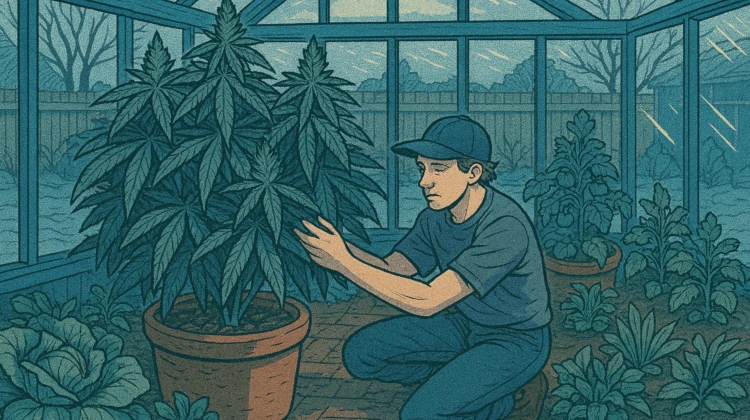
Outdoor cannabis growing during winter usually only works in warm or possibly mild climates. In these locations, a proper outdoor setup is much more possible.
On the other hand, cold regions often experience harsh frost or severe cold during winter, preventing growers from operating in many areas during the season. That’s where heated and insulated greenhouses come into play.
Growers in these winter conditions typically use greenhouses with thick plastic walls or glass panels to shield plants from the cold while still allowing them to capture sunlight and its warmth. On some occasions, small heaters are used to keep the temperature ideal, especially at night.
What You’ll Need
Greenhouses require adequate insulation, airflow, and supplemental lighting. Useful tools include:
- Small heater(s) for cold nights
- Fans for fresh air
- Thermometers
- Humidity monitors
- High-quality soil
Setting Up the Greenhouse Grow
Setting up the grow is key to a successful greenhouse. Any missteps along the way can upend the quality of the harvest. When setting up, consider what helps plants thrive.
Winter greenhouse grows work best when insulation keeps out the cold, traps in heat, and artificial lights fill the sun cycle gaps. To make it possible, growers often hang reflective material along the walls to keep warm air inside.
When using artificial lights, growers can use timers to make sure their plants receive a consistent light cycle. These lights can create additional warmth in the grow, with fans helping distribute warm air through the greenhouse, minimizing pockets of humidity in the process.
Photoperiodic strains (as opposed to autoflowers) require a long light cycle (typically 18 hours light to six hours dark) during vegetative growth, which is then flipped to a strict 12 hours light to 12 hours dark cycle to trigger flowering.
Additionally, it should be a priority to keep any tents sealed up. Even the smallest of drafts can sink temperatures and upend an otherwise meticulous grow operation. Thermometers help track changes so growers can adjust their heaters, lights, fans, and other settings as needed.
Temperature is crucial. So too is moisture control. Insulated greenhouse floors or raised beds help keep root temperatures steady during winter. Additionally, since cold conditions usually keep soil wet longer, growers are known to slow their watering schedules to avoid prolonged saturation.
Tips for Growing Healthy Plants in a Greenhouse
When growing cannabis in a winter greenhouse, common tips to keep in mind include:
- Keep the space sealed away from cold air
- Add lights to replace diminished sun exposure
- Check soil often to avoid slow drying risks
- Allow adequate airflow to reduce mold risks
When to Harvest
Determining when to harvest winter cannabis crops depends on the strain growing and environmental stability. With shorter days likely slowing growth and delaying maturity, many growers opt for strains that finish fast and are known for standing up to the cold.
Harvest times are determined by flower appearance and trichome development. With settings changing by region and environment, some winter greenhouse crops finish closer to spring.
The Main Ways Growing Cannabis in Winter Is Different
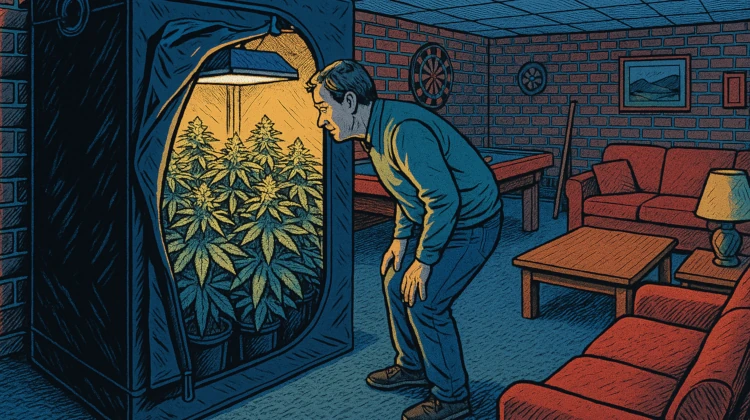
Growing weed in winter means contending with short days, cold temperatures, and dry indoor air.
- Indoor heating often pulls moisture from leaves.
- Limited sunlight requires stronger or longer artificial lighting.
- Cold conditions also slow the development of roots and leaves.
With all these additional hurdles, growers often rely on insulation, small heaters, or greenhouses. These allow cultivators to address seasonal challenges while maintaining year-round harvests.
Best Strains for Winter Growing
Some strains handle cold seasons more comfortably because they stay compact, finish growing quickly, or originate from regions with cooler climates. Indica-leaning strains often grow well in winter since short, sturdy plants fit easily into indoor tents and small greenhouse spaces. Classic examples include Northern Lights and Bubba Kush, both known for calm growth habits and steady performance in cooler rooms.
Autoflower seeds tend to work well in winter conditions because they flower by age rather than by light schedule. Their fast cycles pair well with indoor lighting regimens.
If you keep these basic tips in mind, you may be able to grow great cannabis through the chilly winter season.
The information in this article and any included images or charts are for educational purposes only. This information is neither a substitute for, nor does it replace, professional legal advice or medical advice, diagnosis, or treatment. If you have any concerns or questions about laws, regulations, or your health, you should always consult with an attorney, physician or other licensed professional.