In This Article
- What Is Microdosing THC?
- Why Do People Microdose THC?
- Considerations Before Microdosing THC
- 1) Don’t Microdose Before Driving (Or Doing Anything That Requires Full Attention)
- 2) Know Your Route (Edible vs. Inhaled vs. Tincture)
- 3) Watch Out for “Stacking” Doses With Edibles
- 4) Use Caution if You’re Mixing Products
- 5) Have a “Too Much THC” Plan (Just in Case)
- How Do People Typically Microdose Weed?
- Low-dose Edibles (Gummies, Mints, Tablets)
- Tinctures (Measured By Dropper)
- Inhalation (Small, Intentional Puffs)
- What Research Says About Microdosing THC
- Common Microdosing Mistakes to Avoid
- Taking More Too Soon (Especially With Edibles)
- Not Reading the Label Carefully
- Changing Too Many Variables at Once
- Assuming CBD Will Tone Down THC
- Forgetting Tolerance Changes
- Choosing Products to Microdose THC
- How Many mg of THC Is Considered a Microdose?
- Is 1mg THC Enough to Get High?
- References
Key Takeaways About Microdosing THC
- Microdosing uses a very small amount of THC in a purposeful way for subtle, manageable effects.
- Why microdose THC? It’s a gradual way to find the smallest dose that helps, often with less impairment.
- Microdose method: First pick one product > Then start low and wait > And adjust slowly while tracking results.
Microdosing THC may sound like a trend, but it’s really just a practical approach. Some people use lower doses to try to get subtle effects with less impairment, but responses vary, and research is still developing. Using lower doses over time is economical, too. If you’re new to THC, it’s a gentle way to learn your comfort zone without jumping straight to a full dose. Microdosing is a subtle effect, not a strong high.
This guide covers what microdosing THC is, why people microdose, how people typically microdose weed, common mistakes to avoid, and which products are easiest for microdosing, all with beginner-friendly steps and a safety-first approach.
What Is Microdosing THC?
Microdosing usually means taking a very small, measured amount and waiting long enough to judge effects before adjusting. The idea got popular in the psychedelic space, but many people apply the same approach to cannabis.1 With THC, the method is simple: take a small amount, wait long enough to judge the effect, and only adjust if you need to.
Why Do People Microdose THC?

People microdose THC for lots of practical reasons, including:
- They want less intoxication. Many beginners want to avoid feeling “too high,” especially in social situations or on a workday.
- They want more predictability. Smaller doses can make it easier to stay in a comfortable zone.
- They’re sensitive to THC. Unwanted effects can come on quickly for some (racing thoughts, dizziness, nausea, grogginess).
- They’re trying to lower weed tolerance. Frequent higher dosing can make THC feel less effective over time for some people; microdosing is one strategy some consumers use to keep doses smaller.
It’s common to find that a smaller THC dose feels better than a bigger one. In one controlled study, a lower oral THC dose reduced stress responses during a public-speaking stress test. Meanwhile, a higher dose increased negative mood. Effects can vary by person and situation.
Considerations Before Microdosing THC
Before you microdose THC, a few basics can help you avoid the most common mistakes.
1) Don’t Microdose Before Driving (Or Doing Anything That Requires Full Attention)
Even small doses can affect focus, coordination, or reaction time, especially if you’re a cannabis newbie.
2) Know Your Route (Edible vs. Inhaled vs. Tincture)
How you take THC changes how fast it kicks in and how long it lasts. A microdose that feels easy with one small puff can feel very different in an edible.
3) Watch Out for “Stacking” Doses With Edibles
A classic beginner mistake is taking a small edible dose, not feeling it quickly, and taking more, only for everything to hit later. If you’re using edibles, don’t rush the second dose.
4) Use Caution if You’re Mixing Products
Combining THC with alcohol or other substances can increase impairment. If you’re aiming for a calmer, predictable experience, keep it simple at first.
5) Have a “Too Much THC” Plan (Just in Case)
If you ever consume too much THC, the feelings are usually temporary (if uncomfortable). Weed hangovers are real, and with caution, mostly avoidable. Have a simple plan before you start. If you take too much, your job is to get comfortable, stay safe, and let time do the work.
How Do People Typically Microdose Weed?
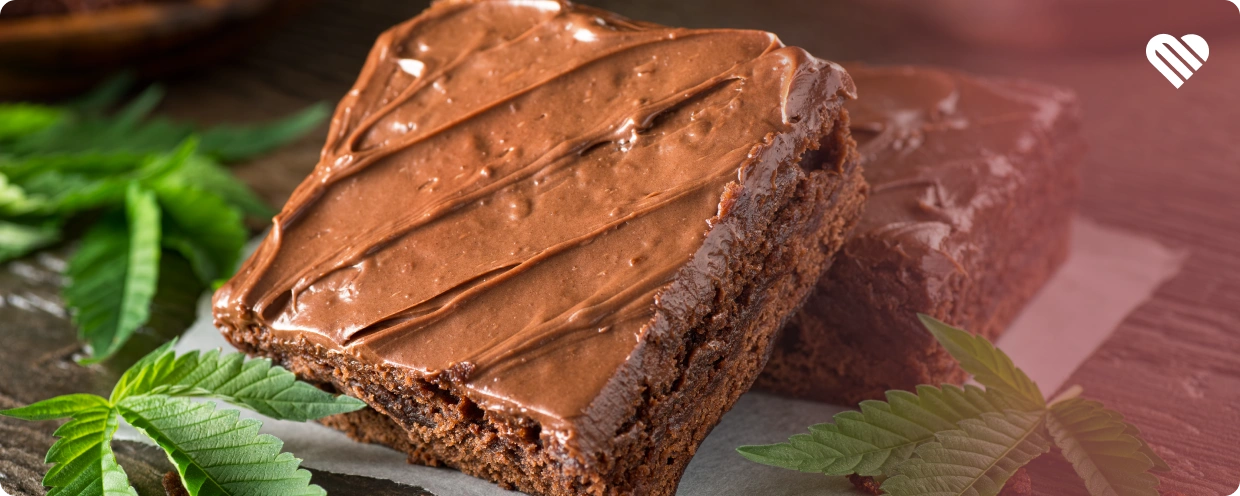
There isn’t one perfect routine, but a microdosing weed strategy includes measurable dosing, enough waiting time, and simple tracking. To get started, you’ll follow these simple steps.
- Choose a product with a clearly labeled dose per serving
- Start with a very small amount
- Wait long enough for the dose to fully take effect
- Jot down a quick note so you can repeat what worked.
If you’re not sure where to start, these are the easiest, most measurable methods to microdose, with simple tips for timing and tracking.
Low-dose Edibles (Gummies, Mints, Tablets)
These are popular because each piece is typically a consistent, labeled dose.
Edibles are the one place where timing really matters. Wait the full onset window before you decide you need more.
Tinctures (Measured By Dropper)
Tinctures can work really well for microdosing THC because most come with a graduated dropper, so you can accurately measure small amounts. Just make sure the label clearly lists mg of THC per mL.
Inhalation (Small, Intentional Puffs)
Some people prefer inhalation microdosing because the onset is faster, and it can feel easier to adjust. Puff, pause, and don’t take multiple hits too quickly before you determine how you feel.
What Research Says About Microdosing THC
Clinical research often uses controlled, measured doses because small changes can meaningfully change how THC feels. In a small randomized trial, a metered-dose cannabis inhaler delivered very low inhaled THC doses (0.5 mg or 1 mg) to chronic pain patients. Researchers tracked both pain ratings and cognitive performance. Participants reported reduced pain, without consistent cognitive impairment on the tests used.2
This study doesn’t guarantee a low dose will feel non-impairing for everyone, especially outside a clinical setting. It does show why precision matters. In microdosing, measuring your dose and pacing helps keep effects mild and repeatable.
Common Microdosing Mistakes to Avoid
Most microdosing THC mistakes are pretty predictable. Here are the ones to watch:
Taking More Too Soon (Especially With Edibles)
If microdosing goes wrong, it’s usually here. If you don’t wait long enough, you can accidentally turn a microdose into a very not-micro experience. Give the edible ample time to take effect before taking another dose.
Not Reading the Label Carefully
Microdosing weed depends on knowing what you’re taking. Common mix-ups include:
- mg per piece vs. mg per package
- mixing up serving size and piece size
- not noticing that one gummy may contain multiple servings
If you’re splitting pieces or using homemade edibles, use our edible calculator, a THC dose tool, so your microdose is based on math, not guesswork.
Changing Too Many Variables at Once
If you change the product, timing, dose, and setting all at once, you won’t know what caused what. Microdosing works best when you keep it simple: use the same product at the same dose for a set period, and give it a few tries before adjusting.
Assuming CBD Will Tone Down THC
Although people report that CBD-dominant products soften THC’s unwanted effects, it’s not a guarantee. A clinical trial examining cannabis with different CBD:THC ratios found that CBD did not reliably reduce the acute adverse effects of THC in their study.3
Forgetting Tolerance Changes
Tolerance can swing faster than people expect. After a break, a microdose might hit harder than usual. If you’ve been using THC regularly, that same microdose may barely register.
Choosing Products to Microdose THC
For microdosing THC, choose something you can measure and repeat. Look for:
- Low mg per serving or a measurable dose
- Clear labeling (mg per piece, servings per package)
- A format that fits your timing needs (edibles last longer; inhalation arrives faster)
Microdosing is really about control: getting the effect you want with the least product.
You can microdose with almost any format, but some people find it easiest to start with products that are already portioned or simple to measure, like low-dose gummies or mints, low-dose tablets or capsules, or tinctures with graduated droppers. Onset often takes 30 to 120 minutes, but it can be longer, and effects may last 6 to 12+ hours.
Smoking and vaping can feel more intimidating to new users, but it’s actually a better option for some since effects can be felt within moments and taper off within an hour or so. Some people consider a microdose to be below a standard serving on the label, but there’s no official definition.
How Many mg of THC Is Considered a Microdose?
There’s no single official definition, but microdosing generally refers to intentionally taking very small doses.¹ For beginners, that often means starting below the standard serving, then adjusting slowly based on your response.
To keep microdosing working, stay in that sweet spot, with small, well-timed, and consistent doses.
Is 1mg THC Enough to Get High?
Sometimes, yes. For a THC-sensitive beginner, 1 mg can be noticeable. Effects vary by product and by person, which is why starting low and giving the dose a chance to work matters.
References
- Johnstad PG. Powerful substances in tiny amounts. Nordic Studies on Alcohol and Drugs. 2018;35(1):39-51. doi:https://doi.org/10.1177/1455072517753339 ↩︎
- Almog S, Aharon‐Peretz J, Vulfsons S, et al. The pharmacokinetics, efficacy, and safety of a novel selective‐dose cannabis inhaler in patients with chronic pain: A randomized, double‐blinded, placebo‐controlled trial. European Journal of Pain. 2020;24(8):1505-1516. doi:https://doi.org/10.1002/ejp.1605 ↩︎
- Englund A, Oliver D, Chesney E, et al. Does cannabidiol make cannabis safer? A randomised, double-blind, cross-over trial of cannabis with four different CBD:THC ratios. Neuropsychopharmacology. 2022;48:1-8. doi:https://doi.org/10.1038/s41386-022-01478-z ↩︎
The information in this article and any included images or charts are for educational purposes only. This information is neither a substitute for, nor does it replace, professional legal advice or medical advice, diagnosis, or treatment. If you have any concerns or questions about laws, regulations, or your health, you should always consult with an attorney, physician or other licensed professional.