
Hemp roots have compounds that are toxic to pediatric cancer cells, according to the results of a new study by researchers with the U.S. Department of Agriculture (USDA). The findings may lead to new avenues of research and create alternatives for children’s cancers that are unresponsive to current therapies, the agency said in a press release about the study.
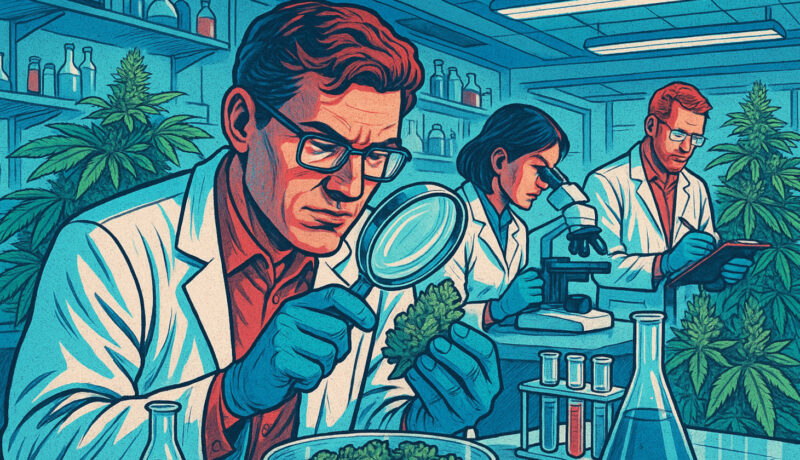
The study by researchers with the USDA’s Agricultural Research Service (ARS) investigated the value of hemp roots, a generally underutilized part of the plant. The research, which was published last year in the peer-reviewed Journal of Cannabis Research, determined that hemp roots contain four distinct compounds know as “neolignans.” Although the compounds are found in other plants including paper mulberries and a tree native to Sumatra and the Malay Peninsula, the presence of neolignans in cannabis roots was unknown until now.
New Opportunities for Hemp Farmers
Hemp’s value as a crop for cannabinoids, fiber, and grain is well known. But the USDA noted that hemp roots “were not considered to hold significant value” until now. Dr. Korey Brownstein, a research chemist with the National Center for Agricultural Utilization Research in Peoria, Illinois, said that the discovery could offer new opportunities for hemp farmers.
“We believe this new discovery offers industrial hemp growers a potential new revenue stream from a part of the plant that was previously overlooked,” said Brownstein. “Unlike crops such as corn or soybeans, which have multiple uses, hemp has been limited in scope. But if we treat hemp as a multi-use crop, we can expand its applications and market—paper, grain, fiber, and now, potentially, pharmaceutical compounds from the roots. The discovery of these compounds adds value to this commodity.”
Compounds Show Therapeutic Potential for Pediatric Cancer
After researchers discovered the presence of neolignans in hemp roots, they spent three years isolating and purifying the compounds, a process they described as “complex and increasingly difficult.”
The ARS team also collaborated with scientists at the Pediatric Oncology Laboratory at the University of Illinois College of Medicine Peoria, where a team of researchers determined that neolignans showed moderate activity in killing pediatric cancer cells (cytotoxic effect) in the laboratory setting.
The study found that, of the four novel compounds that were tested, one in particular (M4) caused “significant inhibition of cell survival in all four cancer cell lines in comparison to the control,” according to a report from Marijuana Moment.
“While our findings demonstrate the cytotoxic effects of hemp-derived compounds on multiple pediatric cancer cell lines, the underlying mechanisms driving these effects remain to be elucidated,” the researchers wrote. “Future studies will focus on detailed mechanistic investigations including cell cycle analysis, apoptosis and necrosis assays, and pathway-level interrogations to uncover the molecular basis of this cytotoxicity.”
“Though industrial hemp is more well-known for its cannabinoid content, it contains hundreds of other phytochemicals that may have uses in the functional food and pharmaceutical industry,” the study concluded. “Furthermore, utilizing each part of the hemp plant, including the roots, will reduce agricultural waste and provide additional value to growers.”
More Research Needed
The team’s next phase centers on expanding compound extraction to support larger, more tightly controlled functional studies. From there, they plan to evaluate the neolignans across a broader spectrum of cancer cell lines to better understand where the compounds may offer the strongest therapeutic value.
“This is about opening new doors,” Brownstein emphasized. “We’re expanding the possibilities for using the whole industrial hemp plant. By adding value to the roots, we’re giving farmers more stability and more reasons to invest in this emerging crop.”
Catch up on the latest cannabis news and sign up for NuggMD's Weekly Sesh newsletter for the latest consumer tips, industry updates, and product recommendations.
The information in this article and any included images or charts are for educational purposes only. This information is neither a substitute for, nor does it replace, professional legal advice or medical advice, diagnosis, or treatment. If you have any concerns or questions about laws, regulations, or your health, you should always consult with an attorney, physician or other licensed professional.