In This Article
- Understanding Spring Timing for Cannabis
- When to Germinate Cannabis Seeds
- When to Transplant Cannabis Outdoors
- How to Protect Young Cannabis Plants
- Guarding Against Late Cold Snaps
- Keeping Animals Away
- Managing Wind and Weather
- Tips for a Strong Spring Start
- Choose Strains That Fit Your Climate
- Start With Quality Seeds
- Keep Early Growth Simple
- Track Your Local Patterns
- Setting Yourself Up for a Good Grow
Key Takeaways About Planting Cannabis in Spring
- The best time to plant cannabis in spring depends on local frost risk and nighttime temperatures, not the calendar.
- Start seeds indoors two to four weeks before transplanting, adjusting your timing based on how quickly your yard warms up.
- Protect young plants from cold snaps, animals, and harsh weather so they can settle in smoothly and build toward a strong harvest.
Spring is when outdoor growers start itching to get seeds in the ground, but cannabis doesn’t care about the calendar as much as it cares about temperature.
The real question isn’t, “What month should I plant?” but, “When is my yard safe from frost?”
Once you know that, the rest of your spring schedule falls into place. This guide walks you through how to time germination, when to move young plants outside, and how to protect them from the early‑season surprises that can catch growers off guard.

Understanding Spring Timing for Cannabis
Cannabis is a resilient plant once it gets going, but young seedlings can be surprisingly sensitive to cold soil, chilly nights, and sudden weather swings. Spring looks predictable on a calendar, but every region warms up at its own pace. That’s why experienced growers focus less on the date and more on real conditions during the first few weeks outdoors.
Two tools can help simplify timing:
- The USDA Plant Hardiness Zone map gives you a broad sense of how warm or cold your region tends to be.
- Local frost date calculators narrow that down to the average last day your area is likely to see a freeze.
Together, these provide a more realistic picture of when your yard is actually ready for seedlings.
When to Germinate Cannabis Seeds

Getting seeds started at the right time sets the rhythm for your entire outdoor grow. The goal is to give seedlings enough time to develop indoors without letting them outgrow their containers or sit around waiting for the weather to warm up.
Most growers have good results starting seeds indoors two to four weeks before they expect to move plants outside. That window gives seedlings time to form a few sets of true leaves and establish a strong root system, while remaining compact and manageable.
Instead of relying on the calendar, pay attention to how spring actually behaves where you live.
- Some areas warm up quickly, letting gardeners start seeds earlier without worrying about cold snaps.
- Others see chilly nights well into April or May, which means germinating too soon only creates seedlings that have to wait indoors longer than necessary.
Even small differences in your yard can influence timing. A spot that gets full sun all day warms up faster than one shaded by a fence or neighboring trees. Wind exposure, soil type, and elevation can all shift the point at which outdoor conditions become comfortable for young plants. If your growing space tends to warm slowly, starting seeds a little later keeps everything in sync with the environment they’ll eventually live in.
When to Transplant Cannabis Outdoors
Once your seedlings are established indoors, the next step is figuring out when they can safely live outside full-time. The goal is to move them outdoors when conditions support steady growth rather than stress them with cold nights or unpredictable spring weather.
Most growers wait until their area is past the average last frost, but that’s only part of the picture. Nighttime temperatures matter just as much. Cannabis seedlings grow best when nights stay consistently above 50°F. Anything colder slows growth and increases the chance of shock. When your nights are reliably warmer than 50°F, and the soil is no longer cold to the touch, you’re getting close to the right moment.
Seedling readiness is the other half of the equation. A young plant with three to five sets of true leaves, a sturdy stem, and roots that hold the soil in its starter container together without circling too tightly is usually ready for transplant. Rushing this step can stunt growth, while waiting too long can leave seedlings stretched or root-bound.
Before planting them in the ground, give your seedlings a short hardening‑off period. This simply means gradually introducing them to outdoor conditions. Start with a couple of hours outside in a sheltered spot, then increase the time each day for about a week.
How to Protect Young Cannabis Plants
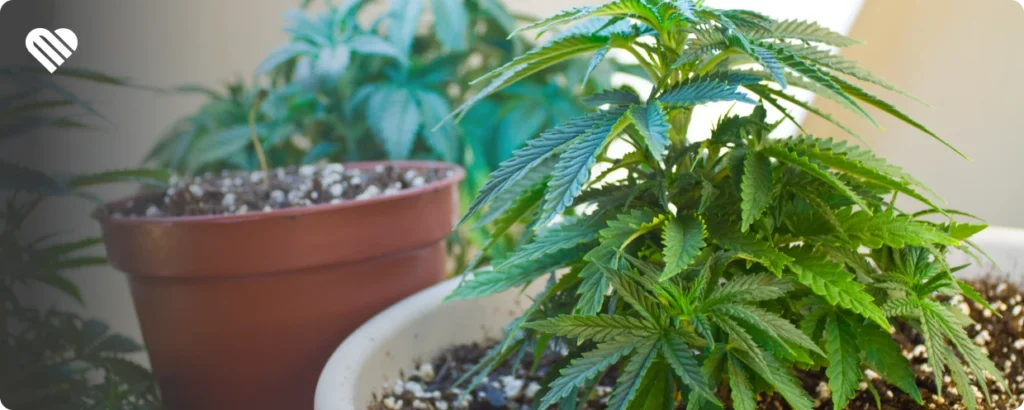
Early spring is full of surprises, and young cannabis plants are the most vulnerable stage of the entire outdoor season. A little protection goes a long way, especially in those first few weeks after transplanting.
Guarding Against Late Cold Snaps
Even after the last expected frost, a stray cold night can still put young plants at risk. Fortunately, simple, inexpensive covers are usually enough to keep seedlings safe. Frost cloths, old sheets, or lightweight row covers trap just enough warmth to prevent damage.
For a quick fix, many gardeners use overturned buckets or large pots to shield plants overnight. Just remember to remove any cover in the morning so the plants don’t overheat once the sun comes out.
Keeping Animals Away
Animals are another early‑season challenge. Rabbits, deer, rodents, and even curious birds can damage or uproot young plants before they have a chance to establish themselves. Small wire cages or mesh enclosures are one of the most reliable solutions. They let in plenty of light and air while keeping hungry visitors out. Some gardeners buy or build simple “critter cages” from hardware cloth and a few stakes, which can stay in place until the plants are large enough to hold their own.
Managing Wind and Weather
Spring winds can be surprisingly harsh on tender seedlings. A temporary windbreak, like a piece of garden fabric attached to stakes or a short section of fencing, helps reduce stress while plants strengthen their stems. If your area gets heavy spring rain, be mindful of overwatering. Young plants sitting in cold, soggy soil grow slowly and are more prone to disease.
Tips for a Strong Spring Start

A strategic starting setup makes the rest of the season easier. Once your seedlings are settled outdoors, a few simple habits help them adjust quickly and grow with fewer setbacks.
Choose Strains That Fit Your Climate
Some cannabis varieties handle cool nights better than others, and some need a longer season to reach full maturity. If you live in a region with a short summer or unpredictable spring weather, look for strains known for hardiness or faster flowering times. Gardeners in warmer climates have more flexibility, but it still helps to choose genetics that match your local conditions.
Start With Quality Seeds
Healthy seeds germinate more reliably and produce sturdier seedlings. Reputable seed sources usually provide information on growth habits, flowering time, and climate suitability, making it much easier to plan your spring schedule.
Keep Early Growth Simple
Young plants don’t need much beyond steady (but not too much) moisture, moderate light, and gentle handling. Overfeeding or overwatering in the early stages slows growth more often than it helps. Let the seedlings establish themselves before introducing stronger nutrients or more intense light.
Track Your Local Patterns
Frost‑date tools are helpful, but your own observations are even better. Pay attention to when your nights warm up, how quickly your soil heats in spring, and how often your area gets surprise cold snaps. Keeping notes from year to year helps you fine‑tune your timing so each season starts a little smoother than the last.
Setting Yourself Up for a Good Grow
The right time to plant cannabis in spring depends less on the calendar and more on the conditions in your own backyard. Once you know when your area is past its last frost and your nights stay reliably warm, you can time germination and transplanting so your plants start the season strong. Paying attention to how your yard warms up and how quickly spring settles in gives you a clearer picture than any chart alone.
With a little planning, your seedlings can move outdoors at the perfect moment and settle in without stress. Protect them from early cold snaps, keep animals at bay, and give them a gentle transition to outdoor life. A smooth start in spring sets the tone for the rest of the season and positions your plants for the kind of harvest every grower hopes for.
The information in this article and any included images or charts are for educational purposes only. This information is neither a substitute for, nor does it replace, professional legal advice or medical advice, diagnosis, or treatment. If you have any concerns or questions about laws, regulations, or your health, you should always consult with an attorney, physician or other licensed professional.