In This Article
- What Cannabis Seeds Need to Germinate
- When to Germinate Cannabis Seeds
- Step-by-Step Instructions for Germinating Cannabis Seeds
- Wet Sand Method
- Paper Towel Method
- Water-Soak Method
- Direct-to-Soil Method
- When Germinated Seeds Are Ready to Plant
- Tips for a Strong Spring Start
- Choose Strains That Fit Your Climate
- Start With Quality Seeds
- Keep Early Growth Simple
- Track Your Local Patterns
- Common Mistakes That Cause Seeds to Fail
- A Good Season Starts With One Seed
- References
Key Takeaways About Germinating Cannabis Seeds
- Germination succeeds when seeds have steady warmth, moisture, and oxygen in a protected environment.
- Wet sand and damp paper towels are among the most reliable conditions for strong, early taproot development.
- Sprouted seeds should be planted when the taproot is short and straight, so seedlings establish quickly and grow with fewer setbacks.
Germinating cannabis seeds is one of the simplest parts of growing. This process begins the growth of what will become a fully developed cannabis plant. It sets the tone for the entire season.
A healthy seedling starts with the right mix of moisture, warmth, and patience. Many problems later in the grow can be traced back to what happened during these first few days.
This guide walks you through successfully germinating cannabis seeds, when to start them, and how to tell when they are ready for soil. It also covers the common mistakes that cause seeds to stall, so new growers can avoid them and give their plants the strongest possible start.

What Cannabis Seeds Need to Germinate
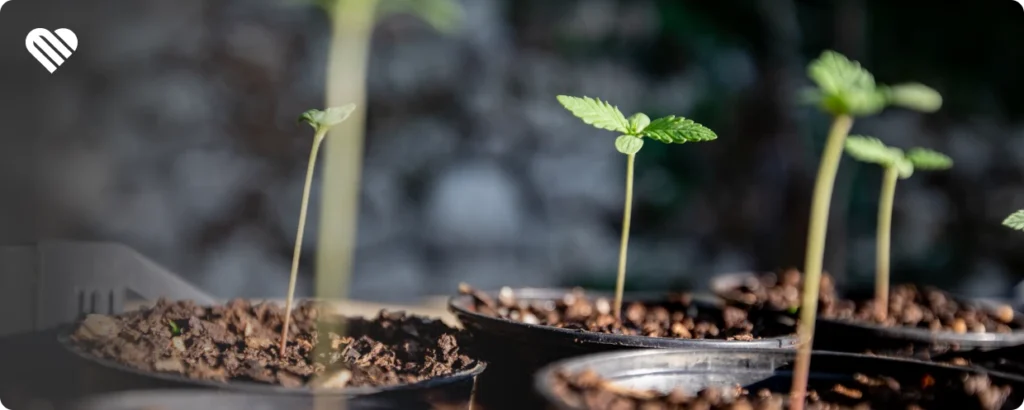
Cannabis seeds only need a few basic conditions to germinate, but each one must remain steady.
The seed coat softens as it absorbs moisture, signaling the embryo within to begin growing. Warmth speeds up the process, oxygen keeps the developing root alive, and a covered environment helps protect the seed from drying out.
Most cannabis seeds germinate well when temperatures stay in the mid 70s°F (about 24°C). Research on industrial hemp shows that germination slows once temperatures drop toward the low 60s°F (about 16°C) and can stall completely at colder temperatures. The same study identified an optimal germination range between 66°F and 86°F (19°C to 30°C). Warmer conditions above the mid 80s°F (around 30°C) can also reduce success, making a stable, moderate environment the best choice.1
You do not need to chase an exact temperature. A consistent range is more important than precision.
Moisture is the other key factor. Seeds need to stay evenly damp, not soaked. Too much water can cut off oxygen and cause rot before the taproot ever emerges. Too little water stops the process entirely.
Most germination methods are simply different ways of keeping seeds warm, moist, and protected while the taproot forms.
When to Germinate Cannabis Seeds
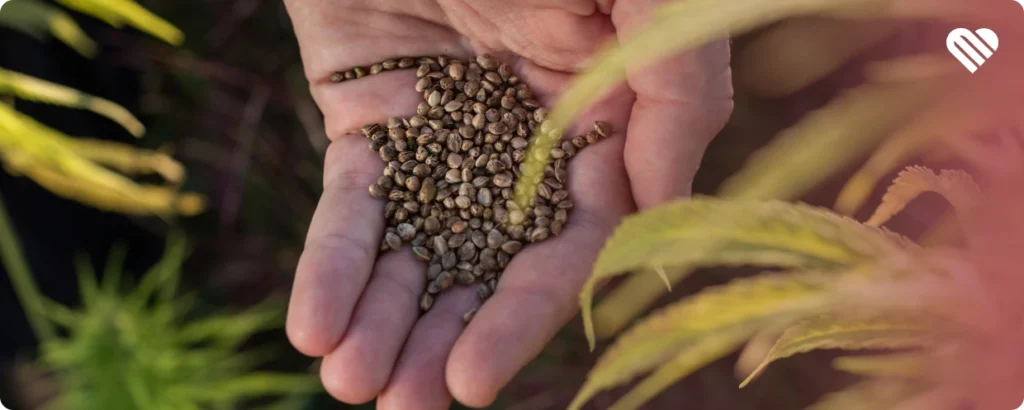
The right time to germinate cannabis seeds depends on where and how you plan to grow.
Indoor growers have the most flexibility because they control the environment from the start. Outdoor growers need to time germination so seedlings are strong enough to handle natural conditions once they move outside.
If you are growing outdoors, the safest approach is to work backward from your region’s last expected frost date. Most seedlings need two to four weeks of indoor growth before they are ready for the garden. Nighttime temperatures should be reliably above 50°F (10°C) before young cannabis plants go outside. Cold nights can stunt growth or kill tender seedlings, so it is better to start a little late than too early.
Indoor growers can germinate seeds at any time, but it still helps to think about your overall schedule. Germination usually takes a few days, and seedlings need at least a couple more weeks before they are ready for transplanting. Planning ahead keeps your grow on track and prevents overcrowding if you are starting multiple plants.
Most cannabis seeds sprout within two to seven days. Some take longer, especially older seeds or seeds stored in less-than-ideal conditions. As long as the environment stays warm and moist, a little patience usually pays off.
Step-by-Step Instructions for Germinating Cannabis Seeds
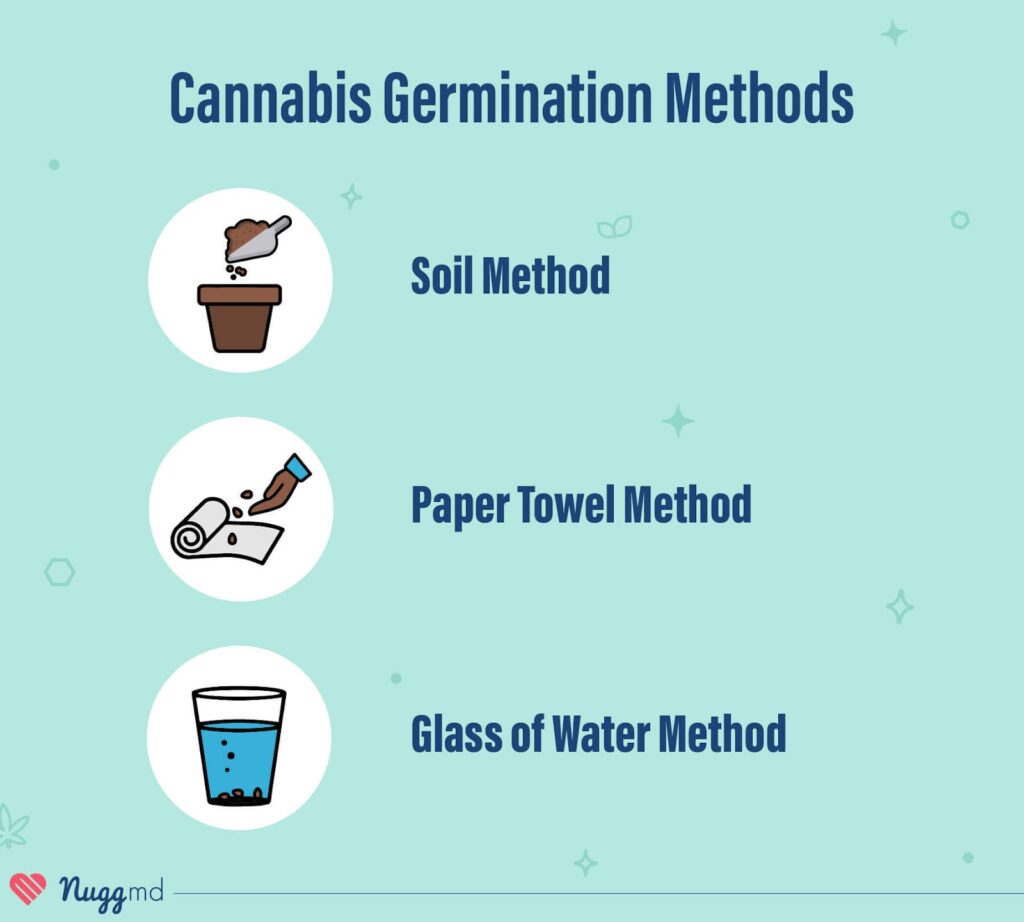
Cannabis seeds can germinate in several different setups, but research suggests that seeds can perform well in moistened sand under controlled conditions.1 They also germinate reliably on or between damp paper towels, which is why that method remains popular among home growers. No matter which approach you choose, the goal is the same. Seeds need steady warmth, moisture, and protection while the taproot forms.
Make sure to use clean materials to reduce the risk of mold or contamination during germination.
Wet Sand Method
What you need:
- Clean, fine sand
- A small container or shallow tray
- Clean water
- A warm, dark place
How to do it:
- Moisten the sand so it is damp but not waterlogged.
- Fill a shallow container with a thin layer of sand.
- Place the seeds on the surface and lightly cover them with a small amount of sand.
- Keep the container in a warm, dark spot at about 75°F (24°C).
- Check daily to ensure the sand stays evenly moist.
- Once the taproot appears, usually within two to seven days, the seed is ready for soil.
Paper Towel Method
What you need:
- Two clean paper towels
- A plate or shallow container
- Clean water
How to do it:
- Moisten the paper towels so they are damp but not dripping.
- Place the seeds between the towels and set them on a plate.
- Keep the plate in a warm, dark place at about 75°F (24°C).
- Check daily to make sure the towels stay evenly moist.
- Once the taproot emerges, the seed is ready for soil.
Water-Soak Method
What you need:
- A clean glass
- Room temperature water
How to do it:
- Fill the glass with room-temperature water.
- Drop the seeds in and let them soak for 12 to 24 hours.
- Remove the seeds once they sink or show signs of cracking open.
- Transfer them to the paper towel method or directly into soil.
Note: Avoid soaking longer than 24 hours, as extended exposure can limit oxygen and damage the seed.
Direct-to-Soil Method
What you need:
- Small starter pots
- A light, airy soil mix
- Clean water
How to do it:
- Fill the starter pots with soil and moisten it so it is damp but not muddy.
- Plant each seed about a quarter inch deep with the pointed end facing down.
- Keep the soil warm and consistently moist.
- Expect seedlings to emerge within a week.
When Germinated Seeds Are Ready to Plant
Once a seed cracks open and the taproot appears, timing becomes important.
Sprouted seeds are delicate, and they should be planted before the taproot grows long enough to curl or tangle. A healthy taproot is usually white, straight, and about a quarter inch long. At this stage, the seed has enough stored energy to push upward through the soil once it is planted.
If the taproot grows much longer than half an inch, it becomes harder to handle without causing damage. Long roots can also break when you try to move the seed from a paper towel or sand. Planting earlier is safer and gives the seedling a better start.
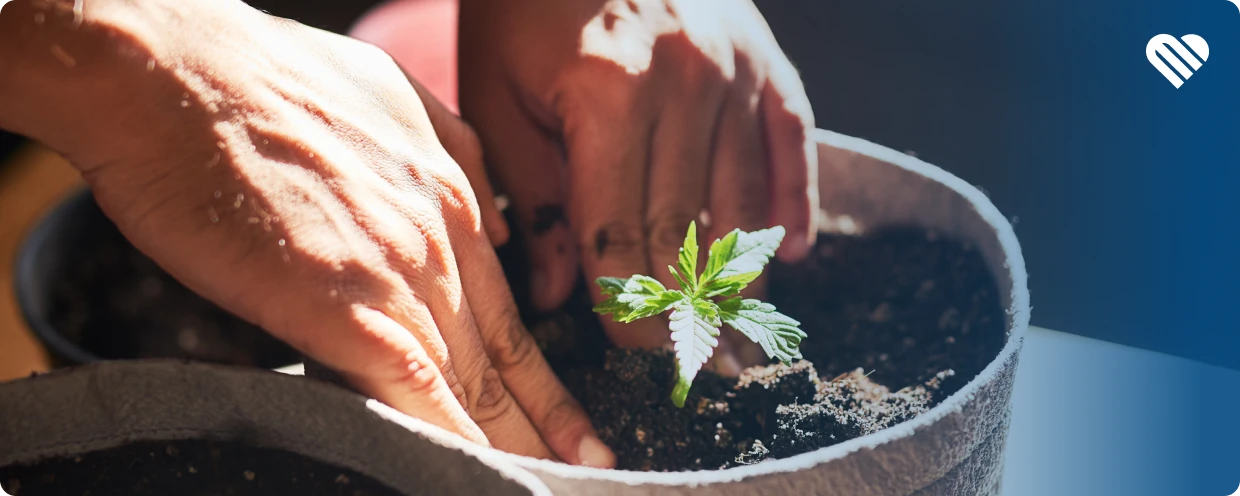
To plant a sprouted seed, make a small hole in the soil about a quarter inch deep. Place the seed in the hole with the taproot pointing down. Lightly cover it with soil and moisten the surface. The seedling should emerge within a few days if the soil stays warm and evenly damp.
Tips for a Strong Spring Start
A good spring setup makes the rest of the season easier. Once your seedlings are settled outdoors, a few simple habits help them adjust quickly and grow with fewer setbacks.
Choose Strains That Fit Your Climate
Some varieties handle cool nights better than others, and some need a longer season to reach full maturity. If you live in a region with a short summer or unpredictable spring weather, look for strains known for hardiness or faster flowering times. Gardeners in warmer climates have more flexibility, but it still helps to choose genetics that match your local conditions.
Start With Quality Seeds
Healthy seeds germinate more reliably and produce sturdier seedlings. Reputable seed sources usually provide information on growth habits, flowering time, and climate suitability, making it much easier to plan your spring schedule.
Keep Early Growth Simple
Young plants do not need much beyond steady moisture, moderate light, and gentle handling. Overfeeding or overwatering in the early stages slows growth more often than it helps. Let the seedlings establish themselves before introducing stronger nutrients or more intense light.
Track Your Local Patterns
Frost date tools are helpful, but your own observations are even better. Pay attention to when your nights warm up, how quickly your soil heats in spring, and how often your area gets surprise cold snaps. Keeping notes from year to year helps you fine-tune your timing so each season starts a little smoother than the last.
Common Mistakes That Cause Seeds to Fail
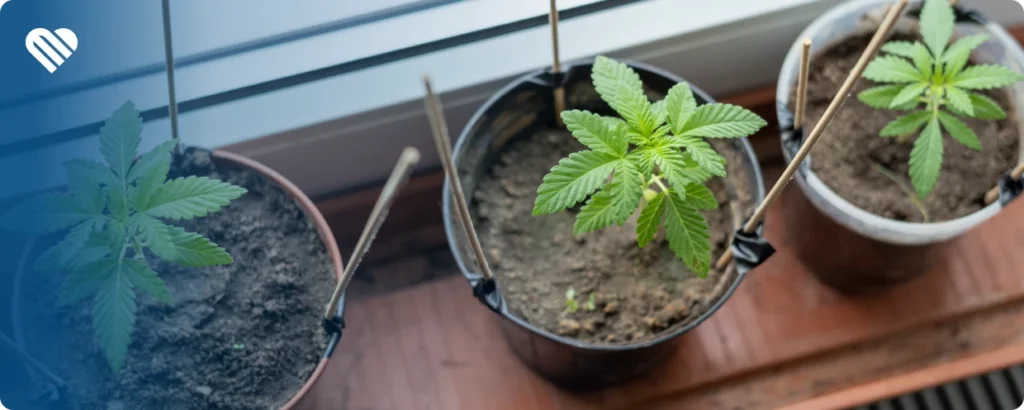
- Letting the medium dry out
Seeds need steady moisture, and even a short dry period can stop germination before the taproot forms.
- Keeping the medium too wet
Waterlogged sand, soil, or paper towels limit oxygen, which the developing root needs to stay alive.
- Handling sprouted seeds too much
Taproots are fragile, and unnecessary movement or pressure can damage them before they reach soil.
- Letting taproots grow too long
Long roots tangle, curl, or break during transplanting, slowing early growth or stopping it entirely.
- Using old or poorly stored seeds
Seeds that have been exposed to heat, humidity, or light lose vigor and germinate inconsistently.
- Starting in temperatures that are too cool
Cool conditions slow metabolic activity, which can delay or prevent seed cracking.
A Good Season Starts With One Seed
Germinating cannabis seeds is a small act that carries a lot of promise. Once you understand what seeds need and how to keep their environment steady, the process becomes simple and surprisingly rewarding. Each young seedling is a sign that your planning, patience, and timing are coming together.
If you have been considering growing your own plants, germinating a few seeds is the most natural place to begin. It is a quiet, hands-on step that connects you to the season ahead and gives you a sense of momentum before your garden even takes shape. Start when the conditions are right, keep things steady, and watch your first seedlings rise. Everything that follows begins with that moment.
References
- Geneve RL, Janes EW, Kester ST, Hildebrand DF, Davis D. Temperature Limits for Seed Germination in Industrial Hemp (Cannabis sativa L.). Crops. 2022;2(4):415-427. doi:https://doi.org/10.3390/crops2040029 ↩︎
The information in this article and any included images or charts are for educational purposes only. This information is neither a substitute for, nor does it replace, professional legal advice or medical advice, diagnosis, or treatment. If you have any concerns or questions about laws, regulations, or your health, you should always consult with an attorney, physician or other licensed professional.