Key Takeaways About Weed Measurements
- A weed measurement chart can help pinpoint the perfect amount of cannabis to purchase for youe specific needs.
- Cannabis is typically weighed and sold in grams, eighths, quarters and ounces.
- A gram can cost $10-15 and be enough for 1 to 2 joints. An ounce is typically the max purchase amount, is enough for up to 50+ joints and can cost upwards of $200.
North Americans have more access to legal cannabis than we've ever had in our lifetimes. The good news is that this trend is only likely to grow as more U.S. states and Mexico launch their legal marketplaces for adult consumers. The newfound access to pot is incredible, but poses uncertainties for new buyers entering a dispensary.
While the "normal" purchase for many newcomers is a gram, each consumer has their own ideal amount. For many new buyers, it's a bit of a head versus heart scenario, with their budgets playing a deciding role. As is the case, it's not surprising to see people buying much more than a gram or two. Some typical flower orders can look like any of the above sizes.
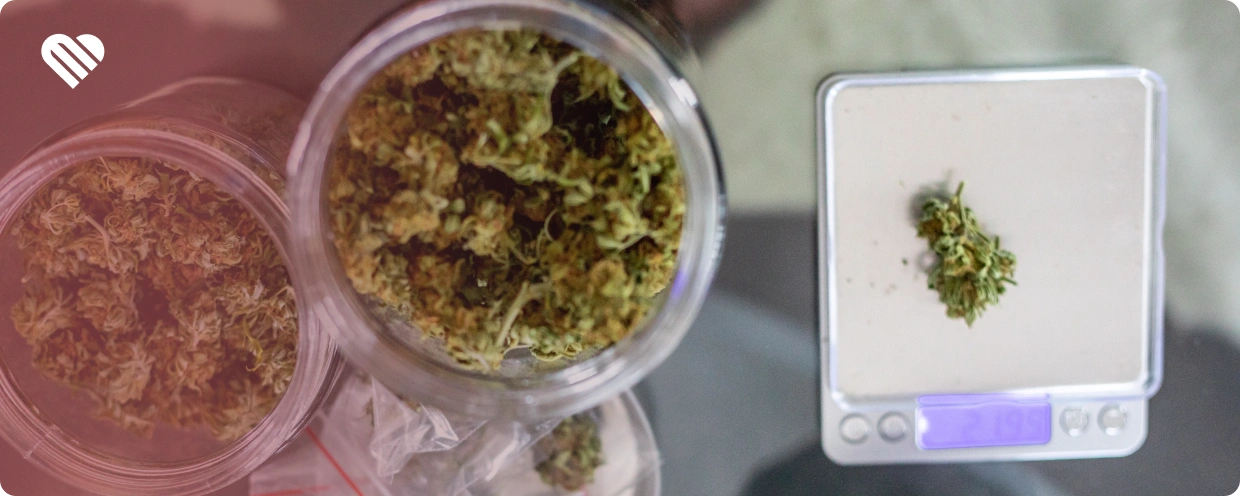
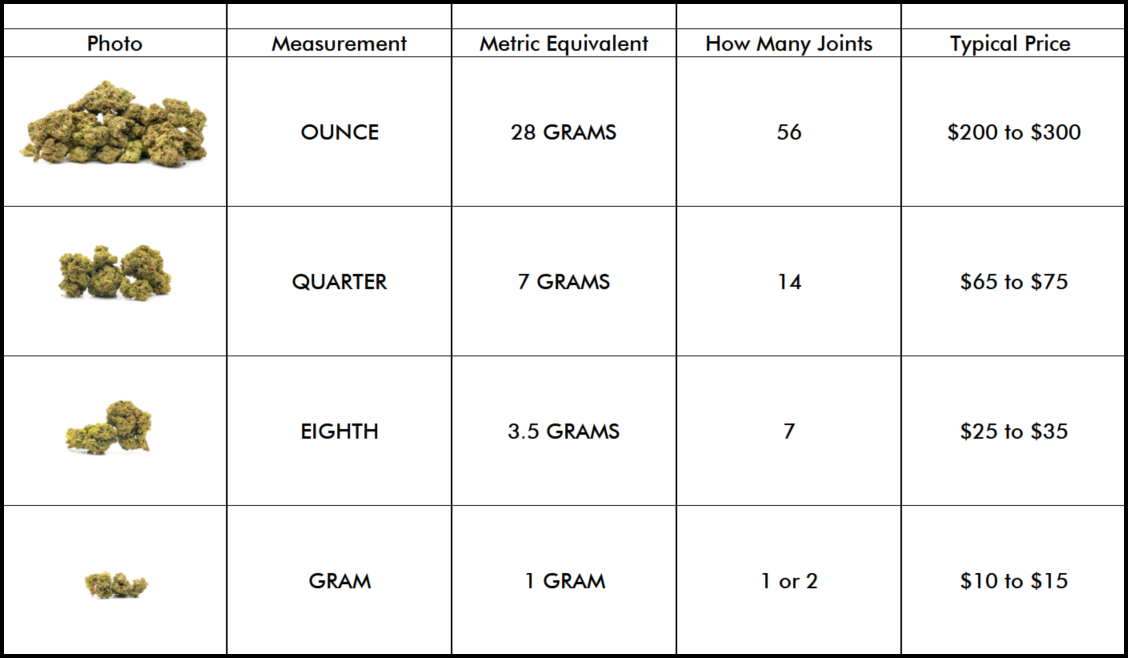
A guide like the one above helps determine your weed measurements. Measuring out your purchase may not be the most fun aspect of cannabis, but it can help save you cash while avoiding over-purchasing. Knowing your correct measurement of weed will not only help keep costs at a minimum, they can also help you avoid going over any state's possession limits.
And even if you aren't worried about skirting the law or breaking your bank, you don't want to buy too much and have to store your cannabis for longer than you'd like. That's how good flower goes stale.
How Much Marijuana Should You Smoke Your First Time?
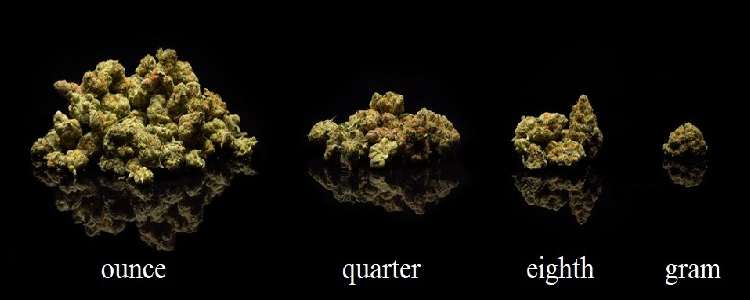
Cannabis shares several similarities with alcohol. Both the plant and booze come in various types, flavors, aromas, and, most of all, strengths or potencies. Like alcohol, how much cannabis you should consume varies by person, depending on several factors determining their unique tolerance.
Keep in mind that it's always wise to use the "start low, go slow" method. Most first-time smokers begin with just one or two puffs of a joint or bowl, assess the results for 30 or so minutes, and then consume more if needed.
First-time cannabis consumers should start with a small purchase, like a gram, and see if it meets their needs before buying any more. This should be enough for a joint or two, or maybe a few bowls
Older consumers should note that cannabis flower is much more potent than it used to be. If you've ever smoked in the 70s or 80s, the experience isn't really comparable. Most people could smoke half a joint in the 70s and just feel good, with no ill effects. Now, even experienced smokers tend to limit their dose to just a few puffs if it's potent cannabis. To do otherwise is to risk having a bad experience.
When buying pot, keep in mind you only want to buy enough to last you at the longest, a few months. Storing much of it away for too long can lead to you consuming some less-than-fresh flower. Knowing your weed measurements can help offset these outcomes.
A weed measurement chart can help pinpoint the perfect starting purchase.
How much is a gram of marijuana?
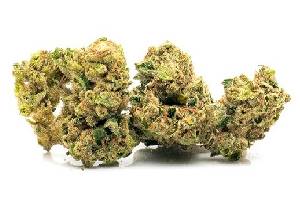
In terms of weed measurements, single grams are the smallest size consumers will find at a dispensary. Sold as intact flower buds or as loose “shake,” flower grams serve as an ideal starting point for cannabis consumers.
Now, let’s get down to a key question: How much is a gram of marijuana going to cost me? Depending on the marketplace, a gram typically retails for $10 to $15. Be sure to double-check with the dispensary's menu before buying.
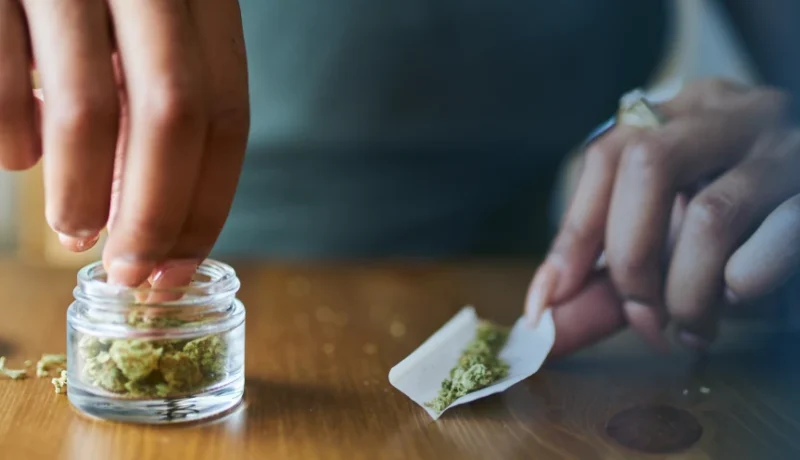
Using our handy weed measurements chart helps us understand that a gram is ideal for making one to two joints, depending on how much flower is allotted to each joint.
An eighth of marijuana
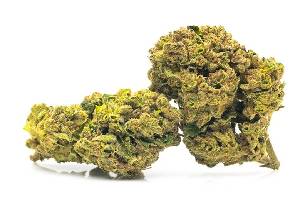
An eighth of marijuana is the next step up from a gram. Eighths often serve as a go-to amount for consumers visiting dispensaries, as they offer better value than single grams without overpurchasing.
Using our weed measurement tool for grams to eighths, we know that an eighth is equal to 3.5 grams. If one gram results in two joints, then we can assume that most eighths should net you seven joints, depending on the amount of flower used in each roll.
U.S. markets typically sell eighths of marijuana at around $30 to $35, depending on the market and flower quality. In some cases, prices can reach $65. So, always check the menu prices before placing an order.
A quarter of marijuana
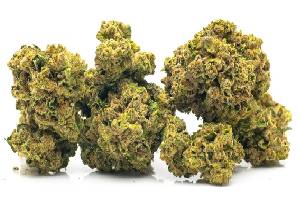
A quarter of marijuana is one-quarter of an ounce, hence its name. In other terms, a quarter is equal to seven grams, or about 14 joints. Quarters are excellent choices for heavier consumers. Newcomers are likely going to overextend themselves with such a large amount. Though some people’s consumption preferences and needs certainly could warrant a quarter.
If you find yourself looking to get a quarter of marijuana, be ready to pay between $65 and $75 in most markets. In more extreme cases, some quarters have reached $120.
A half-ounce of marijuana
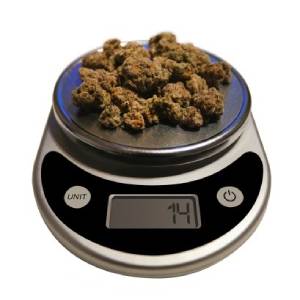
We go from quarters to halves. A half of marijuana is double the figures of our previous entry, totaling 14 grams or roughly 28 joints. Prices tend to run between $90 and $200 for a half ounce of marijuana. Be prepared to store it properly if you pick up a half, especially if you don't plan to consume much right away.
An ounce of marijuana
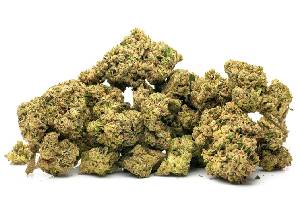
The next step up is an ounce of marijuana. Totaling 28 grams, or roughly 56 joints, an ounce should last most consumers for a good while. Ounces are typically the peak of public possession laws in North America, with many markets capping totals below an ounce of marijuana. Most ounces retail for around $200 to $300, with prices reaching approximately $500 or more in some cases.
In Closing
With your weed measurements chart either in hand or in mind, you should have a better grasp on just how much pot you can get for your bucks. Additionally, knowing your weed measurements should help you avoid overbuying in one purchase.
Feel free to print our handy chart and take it with you while you shop!
The information in this article and any included images or charts are for educational purposes only. This information is neither a substitute for, nor does it replace, professional legal advice or medical advice, diagnosis, or treatment. If you have any concerns or questions about laws, regulations, or your health, you should always consult with an attorney, physician or other licensed professional.