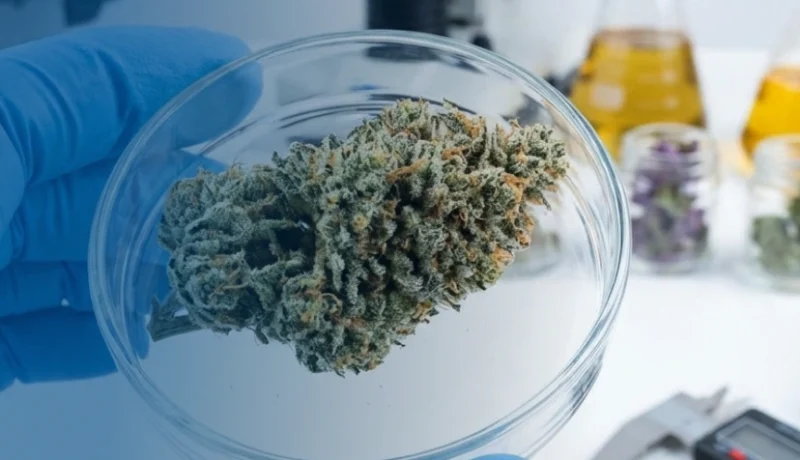

Medical cannabis extracts can “meaningfully” improve symptoms associated with cancer, such as anxiety, pain, and sleep problems, according to the findings of a new study. The randomized, placebo-controlled, triple-blind study, which has not yet been peer-reviewed, was published as a preprint on MedRxiv.org last week.
The study by researchers at the University of British Columbia, University of Ottawa, University of Manitoba, and Queen’s University found that medical cannabis extracts “can be meaningfully beneficial for cancer-related symptoms in approximately 50 percent of patients, particularly for sleep and related symptoms.”
The research involved the use of medical cannabis extracts that were either a placebo, THC-dominant, CBD-dominant, or contained an equal ratio of the two cannabinoids. The participants were all adults living with (or justifiably fearing) cancer of any kind whose most troublesome symptom was either pain, sleep disturbance, or anxiety.

Different Patients Preferred Different Extracts
The study’s findings showed that the “most helpful extract differed between individuals,” and that no single extract type was “routinely better than the others on average.” There was “no significant preference of one extract over another on average, but a clear preference between extracts for most individuals.”
About half of the participants showed improvements in sleep, anxiety, and daytime tiredness, regardless of the patient’s primary symptom. Nearly two-thirds (66%) of participants preferred an extract containing an active cannabinoid rather than the placebo.
“Fifty-six percent of the 89 participants with complete Patient Global Impression of Change (PGIC) data reported at least a 1.4-point improvement compared to placebo with at least one extract,” the researchers wrote, according to a report from Marijuana Moment. “Subgroup analysis showed response rates of 50 percent for the pain, 47 percent for sleep, and 60 percent for anxiety subgroup.”
“More than half of participants experienced a clinically meaningful benefit over placebo with at least one type of cannabis extract,” they added.
The researchers also determined that a 2.5-milligram dose of THC or CBD was “well-tolerated.” They added, however, that “personalization of treatment is required to optimize response.”
“Though it would be convenient to be able to recommend a single agent for everyone, this would clearly not meet the needs of a diverse population,” the study said.
“Our finding that no preparation was better than the others on average, but most participants found one to provide greater benefit individually may further explain why trials that focus on a single preparation may have underestimated the potential benefit of cannabinoids,” the researchers continued. Restricting patients to a single extract ignores the known heterogeneity in endocannabinoid physiology.”
Study’s Findings Align with Previous Research
Marijuana Moment notes that the research is consistent with previous studies, including a scientific review published last month that found that cannabis compounds show “consistent and statistically significant anti-tumor effects” in certain types of cancer. The study also found cannabinoids “show promise as adjuncts in oncotherapy, particularly in glioblastoma and breast cancer, to enhance chemotherapy efficacy.”
“Cannabinoids demonstrated consistent and statistically significant antitumor effects in glioblastoma and breast cancer models,” the study authors said, noting that there’s “additional supportive evidence in lung and prostate cancer.”
Of the cannabinoids included in the analysis, CBD “demonstrated the broadest and most favorable profile, with consistent antitumor activity and the advantage of a well-documented safety record in clinical use.”
The researchers noted, however, that “not all combinations are beneficial and that rigorous preclinical screening is required before clinical translation,” and unlike CBD, “THC produced highly variable effects,” so the benefits of the cannabinoid may not be “universal.”
Catch up on the latest cannabis news and sign up for NuggMD's Weekly Sesh newsletter for the latest consumer tips, industry updates, and product recommendations.
The information in this article and any included images or charts are for educational purposes only. This information is neither a substitute for, nor does it replace, professional legal advice or medical advice, diagnosis, or treatment. If you have any concerns or questions about laws, regulations, or your health, you should always consult with an attorney, physician or other licensed professional.