
Key Takeaways About Sinsemilla
- Sinsemilla refers to seedless cannabis flower produced by preventing pollination.
- Unpollinated female plants develop more resin, which can increase potency and improve aroma.
- Most modern dispensary cannabis is grown as sinsemilla because it supports quality and consistency.
Most commercial growers today produce cannabis in a manner that prevents female plants from forming seeds, which allows the flowers to continue developing resin throughout the flowering cycle. This cultivation method produces seedless buds, known as sinsemilla, and plays a major role in the potency, aroma, and consistency that patients now expect from dispensary flower.
What is Sinsemilla?
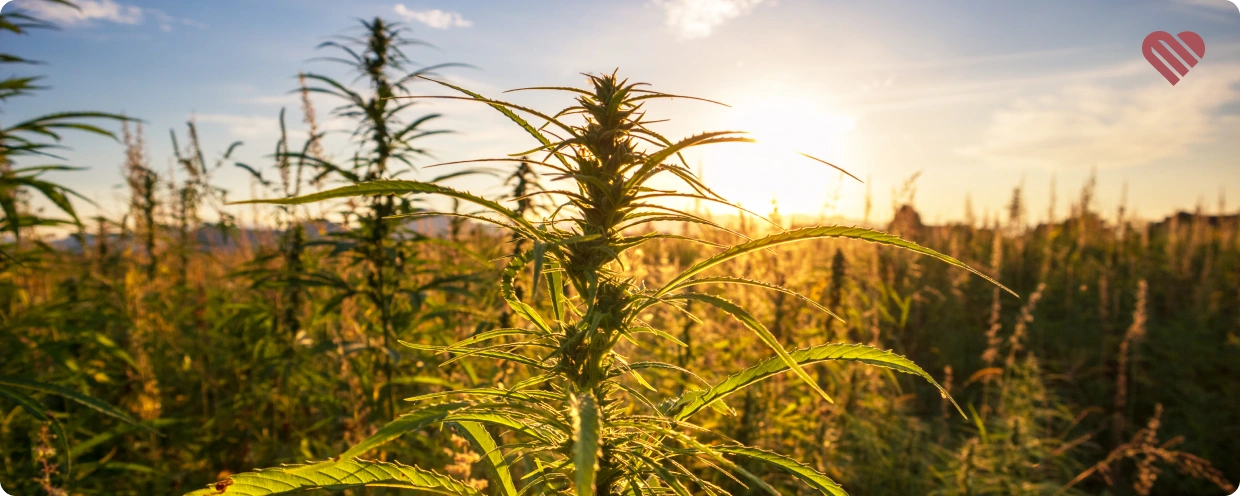
The word sinsemilla comes from the Spanish words for “without” (sin) and “seed” (semilla). Quite simply, sinsemilla is the flower clusters (buds) of female cannabis plants that have been grown so they will be seedless. Growing weed in this fashion has several benefits, including increased flower production, higher potency, and an end product that is easier and more pleasant to smoke.
Cannabis is typically dioecious (separate male and female plants), though hermaphroditic/monoecious expression can occur. Regular (non-feminized) seeds often produce a mix of male and female plants, frequently close to 1:1.
The plants only reveal their sex when they begin to flower, at which time the sinsemilla grower will cull (remove) all of the male plants from the garden, room, or field. This prevents pollination and seed formation, thereby encouraging the female plants to produce additional flower clusters. Sinsemilla (sometimes spelled sensemilla or sensimilla) refers both to this method of growing cannabis and the seedless flowers it produces.
When female plants aren’t pollinated, the energy that would have gone into seed production is instead used to produce more flowers. With more flowers, there are more resinous trichomes rich in cannabinoids and terpenes, boosting potency, aroma, and flavor compared to other cultivation methods.
It is important to note that sensimilla does not refer to a specific strain or cultivar of cannabis. Any cultivar of all types (indica, sativa, or hybrid) grown from unfeminized seeds can be cultivated using this method to produce seedless female buds.
A Brief History of Sinsemilla
Like much of cannabis lore, the history of sinsemilla production is murky at best.
Some believe that producing seedless cannabis, either by chance or by design, can be traced back to cannabis cultivating cultures in India and Southeast Asia or North Africa’s hash-producing societies. Farmers occasionally produced naturally unpollinated female plants simply because they were located far from males. These seedless flowers weren’t intentionally produced or widely understood, but growers noticed they tended to be more resinous and aromatic.
The modern concept of sinsemilla took shape in the United States during the late 1960s and 1970s. This is when domestic growers began deliberately removing male plants from their gardens to increase potency.
Cannabis produced this way stood out from the imported compressed “brick weed” that dominated the market at the time, making it a hit with consumers. As small‑scale craft cultivation expanded in places like California, Oregon, and Hawaii, the word “sinsemilla” entered the cannabis vocabulary and quickly became associated with premium, high‑potency flower.
Anecdotal cannabis history also points to Mexico’s Sinaloa region. Stories claim growers in the 1970s refined or popularized the technique to produce more potent, seedless buds for export to the U.S. These accounts are difficult to verify, but they illustrate how influential the method became among underground cannabis growers.
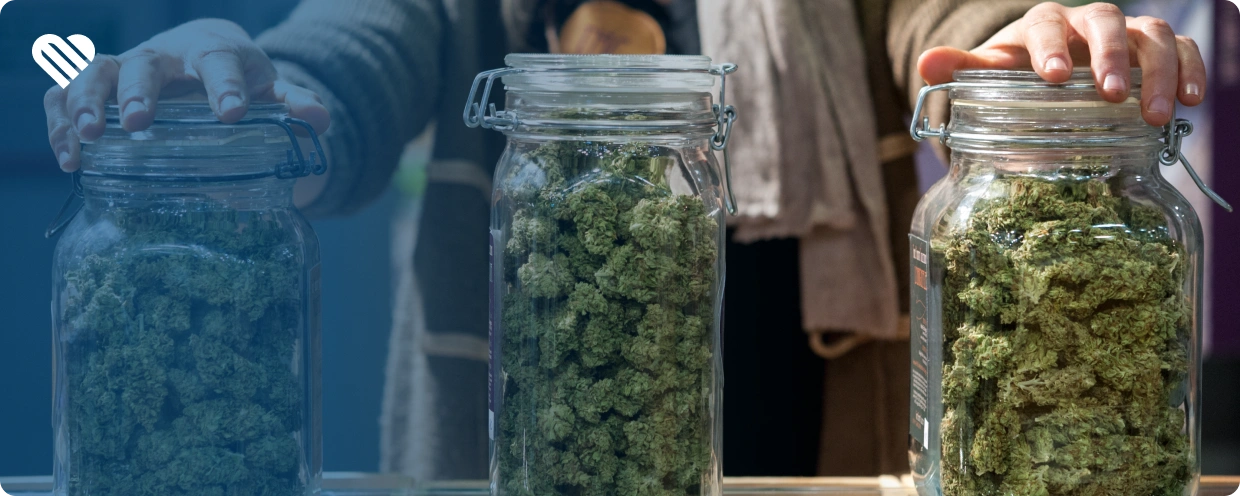
By the 1980s and 1990s, indoor cultivation, controlled breeding, access to feminized and autoflower seeds, and propagation with clones made it much easier to prevent pollination. What began as a niche technique became the industry standard. Today, nearly all dispensary flower is technically sinsemilla, meaning seedless, although modern cultivation methods mean that culling male plants is no longer necessary.
Is Sinsemilla Stronger Than Regular Bud?
Female cannabis flowers are more substantial and resinous than their male counterparts, making the female buds the most favored part of the plant to smoke. And when female flowers remain unpollinated, they continue to grow and produce resin
Sinsemilla is seedless flower that can often develop more trichomes and a more concentrated chemical profile. It is generally more potent than seeded cannabis because an unpollinated female plant continues putting its energy into trichome, or resin production, instead of seed development. That resin contains the cannabinoids and terpenes that shape a cultivar’s effects.
Research supports the idea that sinsemilla is more potent than seeded cannabis. A study of more than 38,000 cannabis samples seized by the U.S. Drug Enforcement Administration between 1995 and 2014 found that the proportion of sinsemilla samples increased steadily over the years, and average THC levels rose alongside that shift.
The study reported that overall potency climbed from about 4% THC in 1995 to roughly 12% in 2014, and the authors noted a clear movement away from seeded material toward sinsemilla during that period. While many factors contributed to rising potency, the increased prevalence of sinsemilla was a consistent trend throughout the study period.
Even so, sinsemilla is not inherently “strong.” It simply provides the plant with the conditions necessary for it to express its full genetic potential. A cultivar bred for low THC will remain low THC even when grown as sinsemilla, and a high‑THC cultivar can still produce weak flower if it is grown in poor conditions.
Why is Sinsemilla Important to Cannabis Growers?
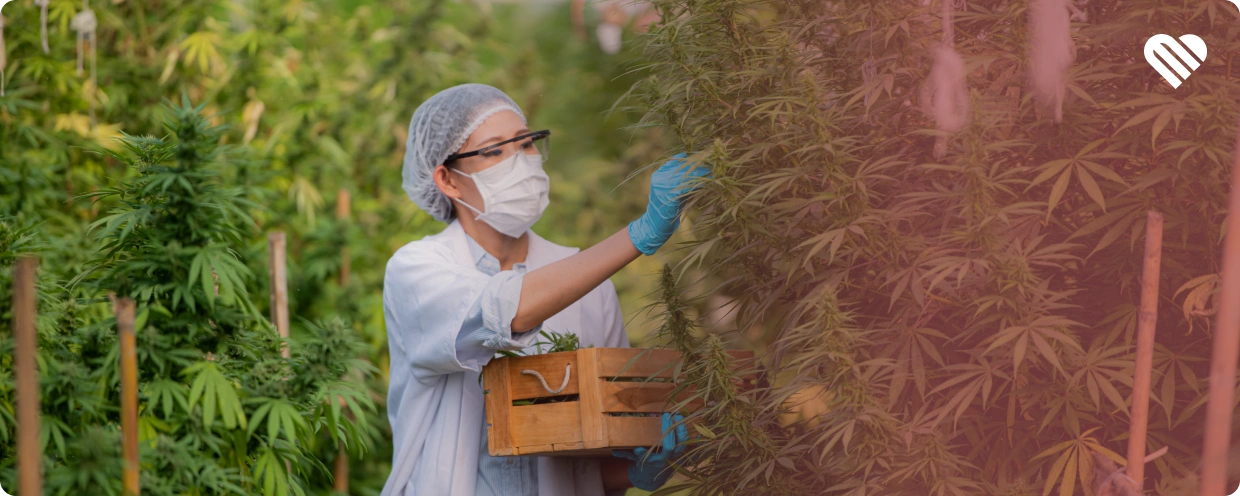
Growers value sinsemilla because it provides greater control over the quality of their flower. When a female plant remains unpollinated, it continues to allocate its energy to resin production rather than to seed development. This results in more trichomes and a more concentrated mixture of cannabinoids and terpenes, helping the plant reach its full potency.
Sinsemilla also supports crop consistency. Seeded plants can vary widely in potency and aroma because pollination changes how each plant allocates its resources. Keeping male plants (and their pollen) out of the environment enables cultivators to produce more uniform harvests, which is especially important for medical patients who rely on predictable effects.
Another practical benefit of sinsemilla production is efficiency. Seeds add weight without contributing to potency, reducing the amount of usable flower. Seedless buds are easier to trim, cure, and package, and they deliver more active compounds per gram. For growers working in competitive markets, sinsemilla helps maximize both quality and yield.
Sinsemilla gives consumers access to more resin‑rich, aromatic flower with more predictable effects. Seedless buds tend to show less variation from batch to batch, which helps patients better understand how a cultivar may support their symptom management. This cultivation approach continues to shape the quality and reliability of cannabis available in dispensaries today.
The information in this article and any included images or charts are for educational purposes only. This information is neither a substitute for, nor does it replace, professional legal advice or medical advice, diagnosis, or treatment. If you have any concerns or questions about laws, regulations, or your health, you should always consult with an attorney, physician or other licensed professional.