In This Article
- How Much Delta-8 is in Common Products?
- Delta-8 Dosage Chart
- Finding the Right Delta-8 Dose
- Other Important Label Information
- Using the Start Low, Go Slow Method
- Start Low: Dial-in the Product and Dose
- Go Slow: Enjoy the Journey
- Effects and Duration by Product Type
- Delta-8 Safety Tips
- When to Get Help
- Delta-8 FAQs
- Is delta-8 “weaker” than delta-9?
- How long does delta-8 last?
- Why do two delta-8 gummies with the same label feel different?
- References
Key Takeaways About Delta-8 Dosing
- Understanding delta-8 labels helps you find a comfortable starting dose. Focus on mg per serving and per package, and look for a COA.
- Start low, go slow, and wait long enough to feel the full effect, especially with edibles.
- Stick to one product type per session, and avoid driving.
If you’ve seen delta-8 on store shelves, you may wonder: “How much delta-8 should I take?” This delta-8 dosage chart doesn’t give a one-size-fits-all dose. Instead, it shows how much delta-8 is typically in available products (gummies, vapes, tinctures) and how to use a start-low, go-slow approach to find a comfortable starting point.
Because delta-8 products aren’t always standardized, your best tool for dosing is often the label.
We’ll break down what you’ll commonly see on packaging, then walk through a beginner-friendly method to dial in your ideal delta-8 dose.
Delta-8 THC is a close chemical cousin (an isomer) of delta-9 THC. But dosing delta-8 can be harder because products aren’t standardized, and labels aren’t always accurate.
How Much Delta-8 is in Common Products?

This section doesn’t recommend an exact delta-8 dose because there isn’t a single number that works for everyone. Because commercial delta-8 products can vary from what their labels claim, treat the chart below as a label-reading guide, not a dosing prescription.
Delta-8 Dosage Chart
| Product Type | Label Contents by Single Serving and Package | Dose Per Unit | Dose Per Package | Common Practice |
| Gummies/edibles | mg per piece + mg per package | Between 10 mg and 40 mg of Delta-8 THC per piece, higher potency available. | About 100-400 mg per package. | Many beginners start with half or a quarter of a gummy if the number is high. |
| Vapes (cartridges/disposables) | Total mg in the device (e.g., “1000 mg”) + sometimes % | Per puff dosage is approximately 1-5 mg, although difficult to measure | Usually, 800 mg to 900 mg of Delta-8 THC distillate in a 1-gram cartridge | mg per puff varies by device and puff length. Many beginners start with one small puff, then wait. |
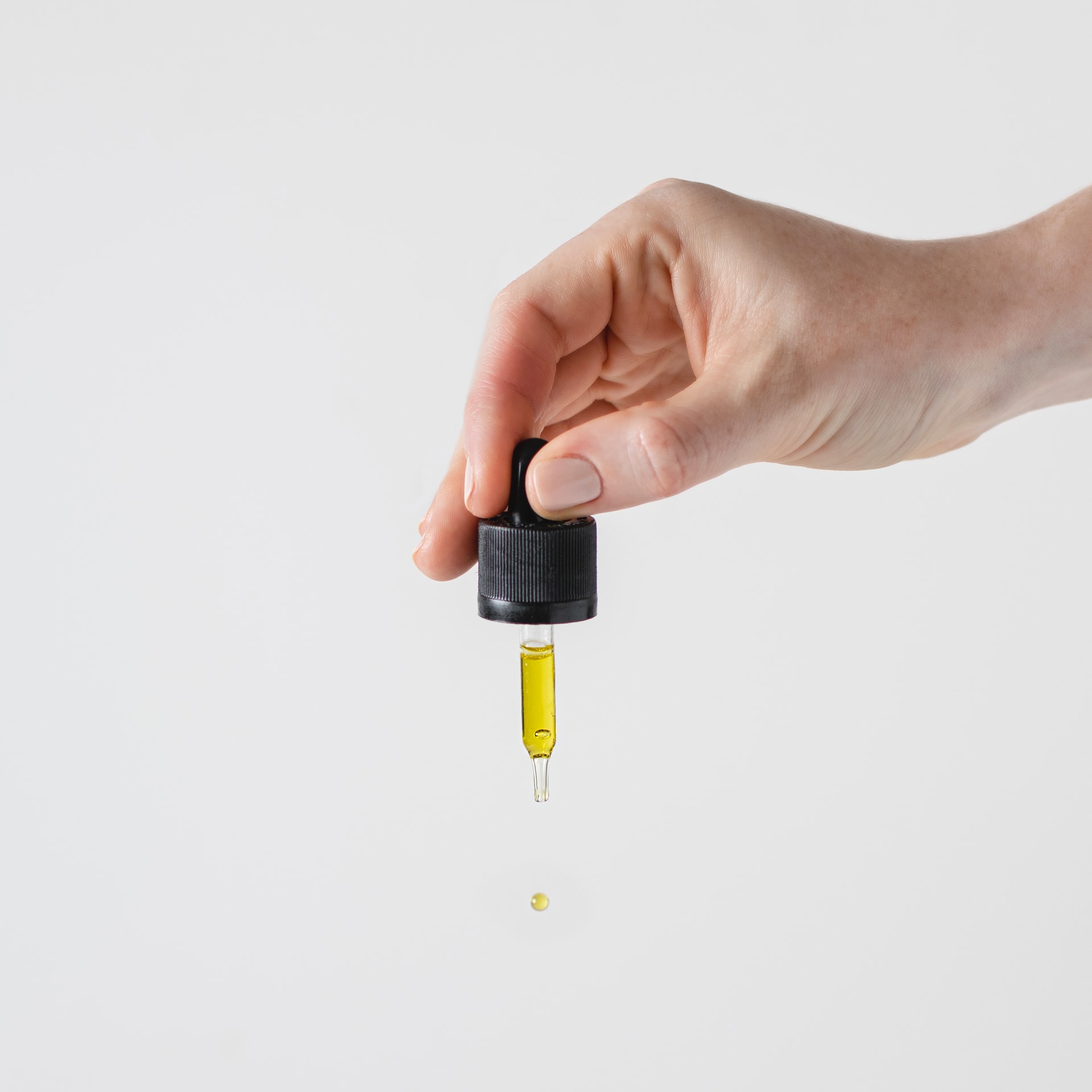
| Tinctures | Total mg in bottle + mg per mL (dropper) | 20 mg to 40 mg of Delta-8 THC per 1 mL (a full dropper) | 30 mL bottles with total Delta-8 content ranging from 600 mg to 3000 mg per bottle | Easy to microdose with a graduated dropper |
Finding the Right Delta-8 Dose
Why is finding the right delta-8 dose challenging?
Delta-8 occurs naturally in cannabis in very small amounts, so most delta-8 products are made by converting hemp-derived CBD into delta-8 through chemical processes.1 And because delta-8 products are widely sold outside of state-regulated cannabis dispensaries, oversight and standardization can be limited, which is precisely why dosing can feel confusing.2
The FDA has specifically warned consumers about variability in delta-8 product formulations and labeling, noting that delta-8 products have not been evaluated or approved for safe use.
Other Important Label Information
- Check the COA/QR code. Compare the lab results to the label, checking potency and basic contaminant screening. Because delta-8 products aren’t consistently regulated, it’s smart to skip anything without a current, batch-specific Certificate of Analysis (COA).
- Focus on the mg numbers. Clear mg per serving and mg per package/device (more helpful than percentages).
Screen edible ingredients: Scan ingredient list for allergens/additives.
Before purchasing or using delta-8, consider your needs and tolerance, the label's reliability, and the manufacturer's reputation. An unregulated market may lack mandatory labeling, testing, or product quality assurance. This could lead to accidental overconsumption and overintoxication.3
Because we can’t provide an exact dosing rule, the safest approach is to establish a repeatable process that helps you learn your personal response while reducing the risk of overdose.
Using the Start Low, Go Slow Method

Start Low: Dial-in the Product and Dose
- First, pick one product type and stick with it for a few sessions (don’t mix gummies, tinctures, and delta-8 vapes on your first attempts).
- Start with a small portion of the labeled serving (especially with edibles).
- Finally, wait long enough to assess the full impact before taking more.
What’s a small portion? A cautious starting approach many people use is to use less than the labeled serving (for example, half or even less), especially with edibles.
This isn’t just a beginner move; it’s a good idea for the first go with any new product, and may avoid an unpleasant experience.
Go Slow: Enjoy the Journey
Too much, too fast, can lead to too high. More and faster is never a good plan for cannabis consumption. Here’s what “go slow” looks like for different product types:
Effects and Duration by Product Type
- Edibles (gummies, chocolates, drinks): effects may take 30 minutes to 2+ hours to kick in and last 4 to 6 hours or longer.
- Tinctures (held under the tongue): effects may begin in about 15–30 minutes and can last a few hours.
- Vaping: delivers roughly 2.5 mg of delta-8 THC per puff, with effects typically starting within 5–10 minutes. The quick onset and rapid effects can simplify dosing, but it also makes it easier to accidentally take repeated puffs too close together.4
Delta-8 Safety Tips
Delta-8 safety comes down to a few common-sense precautions. The delta-8 market has had quality-control concerns. Consider these points for safer shopping:
- Delta-8 is widely available in many areas, but rules vary by state and even by retailer.
- Buy from brands that publish recent third-party lab results (COAs) for the batch in question.
- Avoid sketchy delta-8 vape cartridges. Fake or contaminated carts are a real issue, so know what to look for before you buy a delta-8 vape.
- Be cautious with copycat packaging (candy/snack lookalikes). Keep all THC products locked away from kids and pets.
- Know that overconsumption is possible. If a product is mislabeled, you may accidentally consume more delta-8 than intended.
- Skip mixing substances (especially alcohol, sedatives, or other intoxicants) when you’re new to delta-8.
- Don’t drive or do risky tasks until you know how delta-8 affects you.
When to Get Help
If someone (especially a child) accidentally consumes delta-8 and symptoms feel severe or scary, contact Poison Help in the U.S. at 1-800-222-1222. You can call 24/7/365, even if it’s NOT an emergency, with any poison-related questions.
Delta-8 FAQs
Is delta-8 “weaker” than delta-9?
Often, people report that delta-8 feels milder, but research comparing delta-8 and delta-9 suggests they act similarly in the body, and potency differences can depend on dose, route, and product.5 Either way, delta-8 can still be intoxicating.
How long does delta-8 last?
It depends on the product type. Edibles tend to last longer than inhaled products. Waiting long enough before taking more is one of the easiest ways to avoid an overly intense experience.
Why do two delta-8 gummies with the same label feel different?
Inconsistent manufacturing and labeling are common issues in commercial delta-8 products, and independent analysis has found discrepancies between advertised and measured content.
References
- Tagen M, Klumpers LE. Review of delta‐8‐tetrahydrocannabinol (Δ 8 ‐THC): Comparative pharmacology with Δ 9 ‐THC. British Journal of Pharmacology. 2022;179(15). doi:https://doi.org/10.1111/bph.15865 ↩︎
- Geci M, Scialdone M, Tishler J. The Dark Side of Cannabidiol: The Unanticipated Social and Clinical Implications of Synthetic Δ8-THC. Cannabis and Cannabinoid Research. 2022;8(2). doi:https://doi.org/10.1089/can.2022.0126 ↩︎
- Kaczor EE, Greene K, Babu KM, Berthold EC, Sharma A, Carreiro SP. Commercial Delta-8 THC Products: an Analysis of Content and Labeling. Journal of Medical Toxicology. 2023;20. doi:https://doi.org/10.1007/s13181-023-00974-y ↩︎
- MacCallum CA, Russo EB. Practical considerations in medical cannabis administration and dosing. European Journal of Internal Medicine. 2018;49(49):12-19. doi:https://doi.org/10.1016/j.ejim.2018.01.004, ↩︎
- Kruger JS, Kruger DJ. Delta-8-THC: Delta-9-THC’s nicer younger sibling? Journal of Cannabis Research. 2022;4(1). doi:https://doi.org/10.1186/s42238-021-00115-8 ↩︎
The information in this article and any included images or charts are for educational purposes only. This information is neither a substitute for, nor does it replace, professional legal advice or medical advice, diagnosis, or treatment. If you have any concerns or questions about laws, regulations, or your health, you should always consult with an attorney, physician or other licensed professional.