In This Article
- What are Fake Carts?
- Quick Fake Cart Tells
- The Dangers of Fake Carts and Pens
- What if I Hit a Fake Cart?
- How Safe Are Fake Carts?
- Legal Issues
- Are counterfeit vapes illegal?
- Can vape stores sell fake vapes?
- Avoiding Fake Carts
- How do you tell if your cart is laced?
- How do fake vapes make you feel?
- What is the bubble test for carts?
- Why Dispensary Vapes Are (Usually) Safer
- References
Key Takeaways
- Fake carts are unregulated vape cartridges typically sold through the legacy market.
- Illicit cartridges may contain unknown additives or contaminants because they are not lab-tested.
- Purchasing vape products
Cannabis vape cartridges are one of the most popular ways to consume cannabis today. In fact, weed vapes outsold flower in California in February 2026 for the first time, marking a consistent shift from smoking to vaping.
And it makes sense; they're discreet, portable, and easy to use. Attach the cart to a pen battery, take a draw, and you’re good to go. Just don't forget to charge it from time to time.
But not every cartridge on the market is what it claims to be. Counterfeit or illicit “fake carts” still circulate outside regulated dispensaries. Because these products aren’t tested or tracked, their contents can be a mystery. In this guide, we break down how fake carts differ from legit, lab-tested products, and how to spot those differences.
What are Fake Carts?
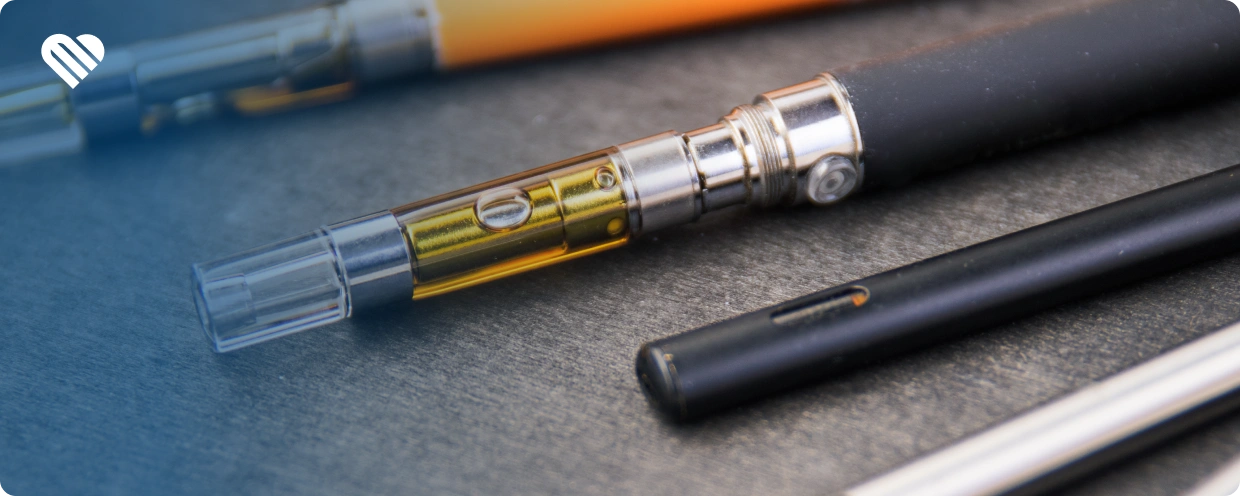
A “fake cart” usually refers to a cannabis vape cartridge that’s counterfeit, illicit, or otherwise unregulated. These products are often designed to mimic legitimate brands. Some look nearly identical to authentic cartridges.
The key difference is what’s inside. Fake carts are not required to undergo safety testing. That means the oil inside may contain unknown additives, contaminants, or diluted cannabis extract.
One additive that drew national attention was vitamin E acetate, a thickening agent used in some illicit THC vape cartridges. Investigations into the 2019 vaping-related lung injury outbreak found this compound present in many of the cartridges used by patients.1,2
Because illicit products are produced outside the regulated cannabis supply chain, consumers have no reliable way to verify what’s actually in the cartridge.
Quick Fake Cart Tells
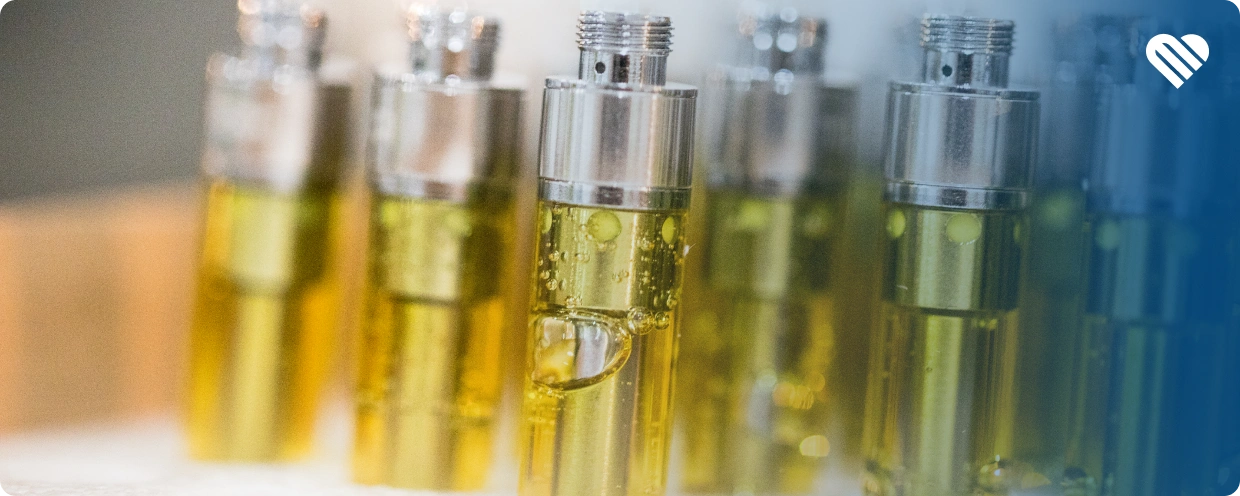
The color of the oil inside a vape cartridge can vary depending on the extraction method and terpene content.
Most distillate-based cartridges appear light amber or golden, while full-spectrum extracts or live resin products may appear darker. However, color alone is not a reliable way to determine whether a cartridge is legitimate or safe.Instead, the most dependable indicator of authenticity is the source of the product. Cartridges purchased through licensed dispensaries must undergo contaminant testing and quality control before they reach consumers.
The Dangers of Fake Carts and Pens
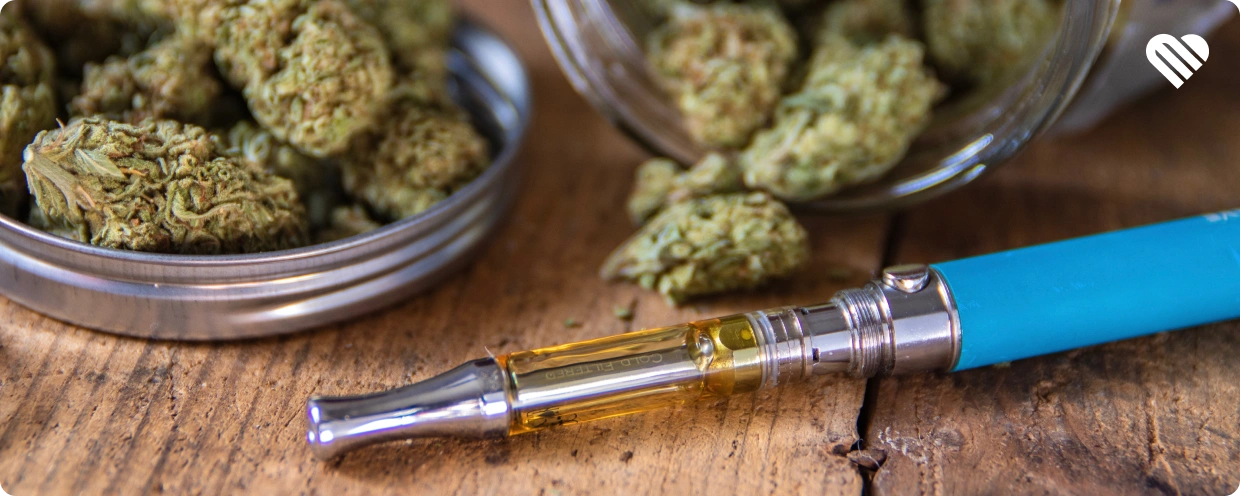
Unregulated carts pose additional risks because their ingredients are unknown. Independent testing of illicit cartridges has found contaminants such as pesticides, heavy metals, cutting agents, and other chemical additives.
The biggest public health example came in 2019. Hospitals across the United States reported cases of E-cigarette or Vaping Product Use-Associated Lung Injury (EVALI). Investigators eventually linked many of those cases to THC cartridges purchased through informal or illicit sources that contained vitamin E acetate.
While that outbreak brought national attention to the issue, the broader takeaway is simpler. When cartridges are produced outside regulated markets, there is no oversight of ingredients, manufacturing standards, or safety testing.
What if I Hit a Fake Cart?
If you suspect a cartridge may be counterfeit or contaminated, stop using it.
Occasional exposure does not necessarily indicate serious harm, but repeated inhalation of unknown additives could increase the risk of irritation or other respiratory symptoms. If you experience persistent coughing, chest discomfort, nausea, or dizziness after using a vape product, it may be worth consulting a healthcare professional.
The safest approach is to discard the questionable cartridge and replace it with a product from a licensed retailer.
How Safe Are Fake Carts?
Because fake carts are produced outside the regulated cannabis system, there is no guarantee of what ingredients they contain.Licensed cannabis products in legal markets must pass testing for potency, pesticides, heavy metals, and microbial contamination before they can be sold. Illicit cartridges bypass these requirements entirely. That means its consumers may unknowingly inhale substances that were never intended to be vaporized.
Legal Issues
Fake vape carts aren't free from legal complications either. These counterfeit vapes are only sold on the illicit market, never in licensed dispensaries. So, when you're purchasing a fake cart, you're buying an illegal, unregulated product.
Are counterfeit vapes illegal?
Counterfeit vapes are illegal.
Can vape stores sell fake vapes?
While it is illegal for retailers to sell fake vapes, it can happen. However, licensed dispensaries will never sell fake vapes, making them the best option for trusted carts.
Avoiding Fake Carts
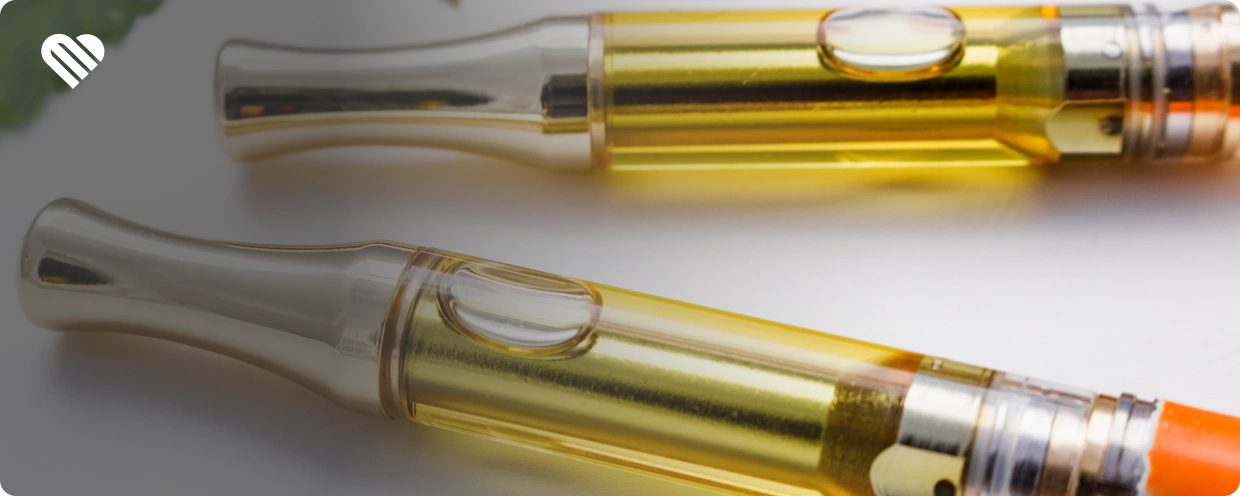
To avoid buying fake carts, consider the following.
- Dispensaries: You should only purchase products from reputable sources. This often means going to local licensed dispensaries. Learning more about navigating and asking questions at a dispensary can help you feel more comfortable.
- Brands: It’s best to only purchase products from reputable brands that are transparent about their third-party lab testing.
- Packaging: Make sure a new cart's packaging isn’t tampered with.
- Experience: If the taste is unusual or you start to experience adverse side effects, it may be a sign that you don’t have an authentic cart.
How do you tell if your cart is laced?
One of the biggest giveaways that a cart is laced is the experience. If you take a hit from a cart and start to experience adverse side effects like dizziness, lung pain, or headaches, stop using it immediately. The packaging is another important clue. Before you start using a specific cart, make sure that its packaging has brand imagery, state-required labels, and test results and that it is unopened.
How do fake vapes make you feel?
If you’re using a fake vape, you may feel nauseous, unwell, paranoid, or have a headache.
What is the bubble test for carts?
You may have seen the “bubble test” online as a way to identify fake vape cartridges. The idea is that when you flip a cartridge upside down, the air bubble should move slowly through thick cannabis oil.
In reality, this test is not a reliable way to verify authenticity. Oil viscosity can vary depending on the type of extract, terpene content, and temperature, meaning both real and fake cartridges can pass—or fail—the test.The most reliable way to avoid counterfeit products is still purchasing from licensed dispensaries that sell lab-tested cartridges.
Why Dispensary Vapes Are (Usually) Safer
The biggest difference between legitimate vape cartridges and fake carts comes down to testing and transparency.
In legal cannabis markets, vape products have to pass lab testing before they can be sold. Labs check for pesticides, heavy metals, leftover solvents from extraction, microbial contaminants, and more.
Those products are also tracked through “seed-to-sale” systems, depending on your state. That means every batch can be traced back to the licensed cultivator and manufacturer who produced it.
None of this guarantees a product is perfect. It does mean regulated cartridges come with something fake carts don’t, though: accountability.
References
- Duffy, B., Li, L., Lu, S., Durocher, L., Dittmar, M., Delaney-Baldwin, E., Panawennage, D., LeMaster, D., Navarette, K., & Spink, D. (2020). Analysis of Cannabinoid-Containing Fluids in Illicit Vaping Cartridges Recovered from Pulmonary Injury Patients: Identification of Vitamin E Acetate as a Major Diluent. Toxics, 8(1), 8. https://doi.org/10.3390/toxics8010008 ↩︎
- Pray IW, Atti SK, Tomasallo C, Meiman JG. E-cigarette, or Vaping, Product Use–Associated Lung Injury Among Clusters of Patients Reporting Shared Product Use — Wisconsin, 2019. MMWR Morb Mortal Wkly Rep 2020;69:236–240. DOI: http://dx.doi.org/10.15585/mmwr.mm6909a4 ↩︎
The information in this article and any included images or charts are for educational purposes only. This information is neither a substitute for, nor does it replace, professional legal advice or medical advice, diagnosis, or treatment. If you have any concerns or questions about laws, regulations, or your health, you should always consult with an attorney, physician or other licensed professional.