In This Article
- What Is a Cannabis Dispensary?
- Using State Regulatory Agencies To Find Dispensaries
- Other Ways To Find a Nearby Dispensary Online
- How Do I Tell If a Dispensary Near Me Is a Good One?
- Licensing
- Product Selection
- Quality vs. Quantity
- Helpful, Informed Staff
- MSO vs. Mom-and-Pop Dispensaries
- Price
- How Can I Find Out What Products Are Available at a Dispensary Near Me?
Key Takeaways
- State registries are a great place to find licensed dispensaries in your state.
- Apps like Weedmaps provide lists of nearby dispensaries with product info and reviews.
- Stick to state licensed dispensaries and look out for red flags, like not checking for ID. Budtenders should be knowledgeable and product info should be easily available.
The cannabis community is constantly growing, with more states legalizing the plant for medicinal or recreational use every year. With this growth, many patients are going to licensed cannabis dispensaries for the first time, leaving many of them to ask: How can I find a dispensary near me?
Finding a nearby cannabis dispensary may seem daunting for the uninitiated. Many areas have multiple dispensaries—and not all cannabis shops are created equal. Luckily, there are steps to take to find a dispensary that meets your needs.

What Is a Cannabis Dispensary?
Simply put, a cannabis dispensary is a shop that sells cannabis and related products for medicinal or recreational use. In states that have legalized both medical and recreational cannabis, dispensaries are often licensed to serve both patients and adult consumers. Before searching for a dispensary, determine which type of business will best suit your needs. Patients with a medical card who shop at medical dispensaries can often take advantage of benefits, including lower taxes, larger purchase limits, or a wider range of products.
It is important to realize that there are often unlicensed (and usually illegal) cannabis dispensaries in many areas. The cannabis products at these retailers are generally not tested for safety and potency and may pose a risk of exposure to insecticides, heavy metals, or microbial contamination. When possible, it is usually safer to obtain cannabis from a state-licensed source.
Using State Regulatory Agencies To Find Dispensaries
One of the best resources for finding a good cannabis dispensary is the online database maintained by the cannabis regulators for each state. These agencies are responsible for licensing medical cannabis providers and retailers and are the best source for up-to-date information on the dispensaries in your area.
State regulatory agencies' websites often include a tool for locating cannabis dispensaries. Patients and consumers can use these tools to search for dispensaries and retail shops using one or more criteria, including city or zip code, business name, and license number. These online resources will often make it easy to check if the state licenses a weed dispensary in your area.
| Alaska | Alcohol and Marijuana Control Office | https://www.commerce.alaska.gov/web/amco | Arizona | Arizona Department of Health Services | https://www.azdhs.gov/ |
| California | California Department of Cannabis Control | https://cannabis.ca.gov/ | Colorado | Marijuana Enforcement Division (MED) | https://sbg.colorado.gov/cannabis |
| Connecticut | Department of Consumer Protection – Medical Marijuana Program | https://portal.ct.gov/DCP/Medical-Marijuana-Program | Delaware | Office of Marijuana Control Commissioner | https://mmcc.delaware.gov |
| Illinois | Illinois Department of Financial and Professional Regulation – Cannabis Control Section | https://idfpr.illinois.gov/ | Maine | Office of Cannabis Policy | https://www.maine.gov/dafs/ocp |
| Maryland | Maryland Cannabis Administration | https://cannabis.maryland.gov/ | Massachusetts | Cannabis Control Commission | https://masscannabiscontrol.com/ |
| Michigan | Cannabis Regulatory Agency | https://www.michigan.gov/cra | Minnesota | Office of Cannabis Management | https://cannabis.mn.gov/ |
| Missouri | Missouri Department of Health and Senior Services – Medical Marijuana Regulation | https://health.mo.gov/safety/medical-marijuana | Montana | Montana Department of Revenue – Cannabis Control Division | https://mtrevenue.gov/cannabis |
| Nevada | Nevada Cannabis Compliance Board | https://ccb.nv.gov/ | New Jersey | Cannabis Regulatory Commission | https://www.nj.gov/cannabis |
| New Mexico | New Mexico Regulation and Licensing Department – Cannabis Control Division | https://ccd.rld.state.nm.us/ | New York | Office of Cannabis Management | https://cannabis.ny.gov/ |
| Oregon | Oregon Liquor and Cannabis Commission (OLCC) | https://www.oregon.gov/olcc | Rhode Island | Office of Cannabis Regulation | https://dbr.ri.gov/office-cannabis-regulation |
| Vermont | Vermont Cannabis Control Board | https://ccb.vermont.gov | Virginia | Virginia Cannabis Control Authority | https://www.cannabis.virginia.gov/ |
| Washington | Washington State Liquor and Cannabis Board | https://lcb.wa.gov/ | D.C. | Alcoholic Beverage Regulation Administration (ABRA) – Medical Cannabis Program | https://abca.dc.gov/page/medical-cannabis-program#gsc.tab=0 |
Other Ways To Find a Nearby Dispensary Online
While state regulators can be a valuable resource for finding a cannabis dispensary, the information they contain is often limited. Many patients and consumers may want more help choosing a dispensary, especially in areas with multiple retailers.
To fill this void in consumer information, independent websites have also been developed to help guide cannabis consumers. Using sites such as Weedmaps or Leafly, patients and other cannabis enthusiasts can find information on the cannabis dispensaries in their area. These sites often contain a wealth of other information about cannabis providers and retailers, including the stores’ business hours and other vital data. Leafly and Weedmaps typically require retailers to provide information about their state cannabis licenses before adding them to the platform, assuring consumers that the listed dispensaries are legitimate businesses.
How Do I Tell If a Dispensary Near Me Is a Good One?
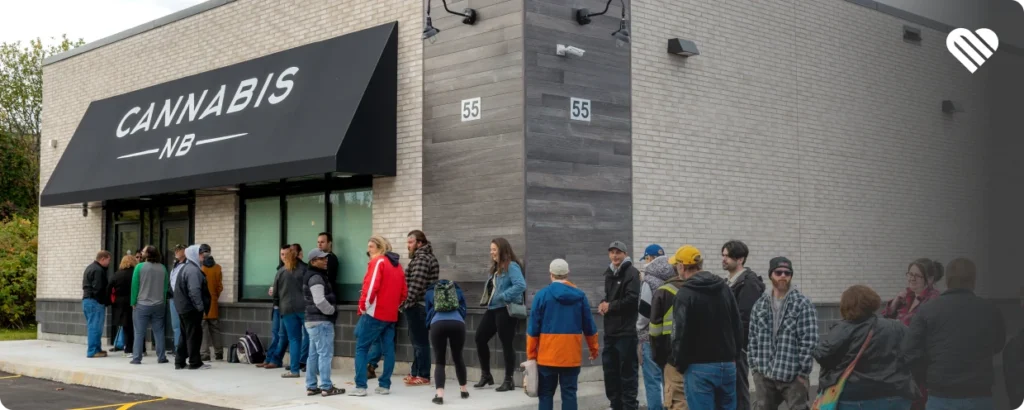
When you're looking into a dispensary to visit, you want to make sure that it's worth the trip. Not all dispensaries are equal, so there are few ways to judge quality of a dispensary.
Licensing
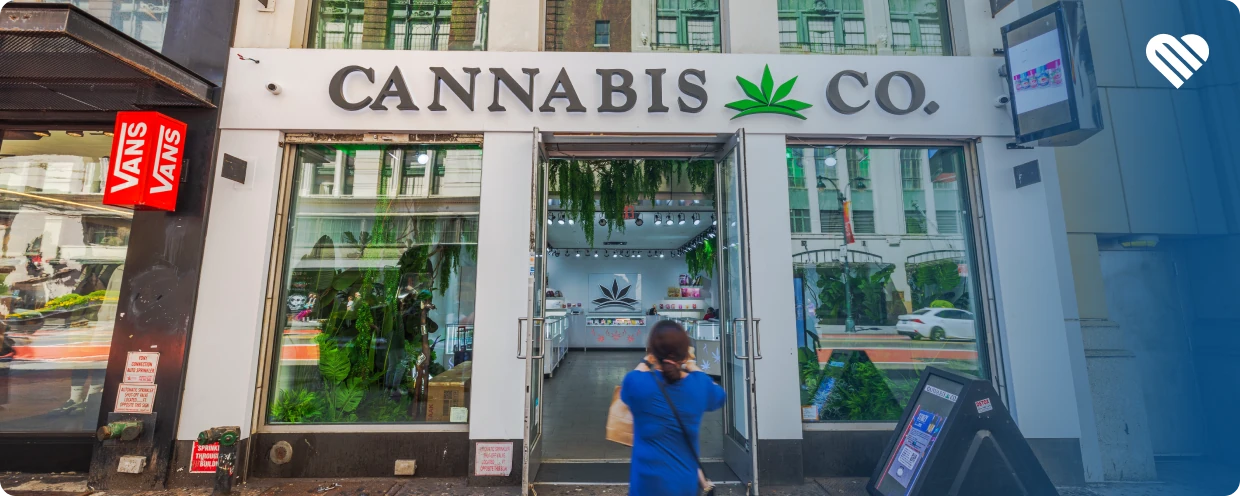
The first thing to check is if the state has licensed the dispensary. Licensed dispensaries and retailers are most likely to have safe and effective cannabis products. The best way to ensure a shop is licensed is to check with your state's cannabis regulator. If you haven’t had the chance to confirm if a dispensary is licensed before you visit, many signs can help you determine if a dispensary is legitimate. In most states, licensed businesses must display their required permits.
Product Selection
One of the most critical factors is a dispensary's product selection. The ideal shop carries a range of products for virtually every type of consumer, and each option should include several reputable brands.
Smaller specialty shops may focus on one or two key product types in less common cases. For example, some independent or single-state shops may cater to connoisseur consumers and emphasize sourcing the best flowers and concentrates in the state.
Quality vs. Quantity
Consumers should take some time to read consumer reviews before deciding what to buy. Listening to the staff is wise in many cases.
Helpful, Informed Staff
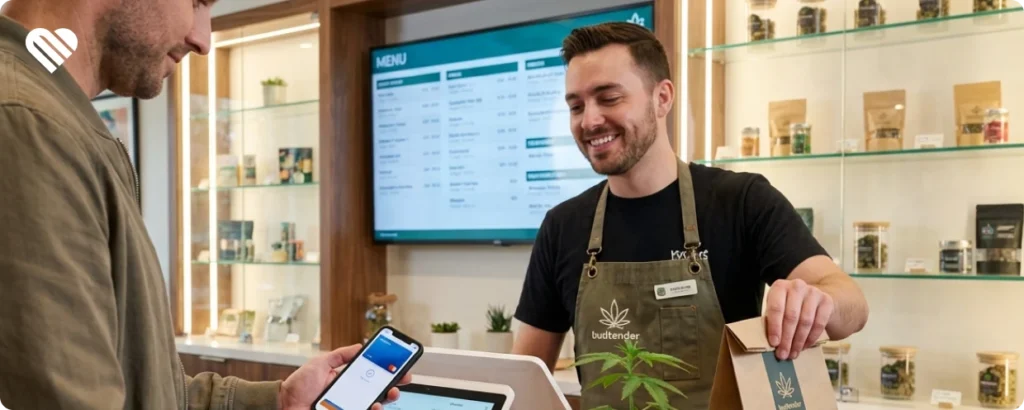
A knowledgeable staff is indispensable. These pros are pivotal in guiding consumers to the right products and information.
For example, an ideal staff goes beyond the inaccurate indica vs. sativa language to describe a cultivar’s expected effects. A top-tier budtender or salesperson may suggest products based on the consumer’s desired effects, such as relaxation or energy. From there, they may explain how terpenes and cannabinoids interact with the body.
MSO vs. Mom-and-Pop Dispensaries
The type of dispensary a shopper goes to may significantly impact their shopping experience. Shops are grouped into one of three categories:
- MSOs (Multi-State Operators): These large-scale businesses operate across two or more states, typically operating as the same brand. MSOs aim to offer consistent pricing, shopping experiences, and inventory.
- Single-State Operators (SSOs): These dispensaries exist within a single state, often operating more than one shop in-state under the same brand. SSOs typically follow the same intended customer experience as MSOs, emphasizing locally produced products and accessories.
- Independent Shops: These smaller, singular operations are often deeply rooted in their communities. Many emphasize craft, local cannabis products, which may lead to limited selections. Some states also allow microbusiness licenses, permitting small-scale operators to grow, process, and sell cannabis products. This model encourages entrepreneurship and diversity in the market, often resulting in hyper-localized offerings.
Price
Price is a significant consideration when choosing the best dispensary to frequent. Costs vary based on product quality, quantity, brand, location, and taxes. These various aspects can make it difficult for some buyers to find what they want at their set price points.
Consider this hypothetical scenario: A consumer visits a dispensary with a budget of $50. They must choose between a $40 premium eighth of flower (pre-tax) or a $20 option (pre-tax) of lower quality. While the premium product offers better effects and flavor, the lower-cost option allows for additional purchases like edibles or pre-rolls, allowing the shopper to stock up.
Ultimately, the decision is based on personal preferences. Some are willing to pay more for “better” products, while others take the opposite approach.
State-by-State Prices
Pricing disparities across states play a significant role, creating pain points in some markets and substantial savings in others.
In New Jersey, cannabis prices remain high due to strict regulations and taxes, often exceeding $60 for an eighth. Conversely, Michigan's more mature market offers competitive pricing, with some dispensaries charging as little as $5 and $15 for certain edibles and strains.
How Can I Find Out What Products Are Available at a Dispensary Near Me?
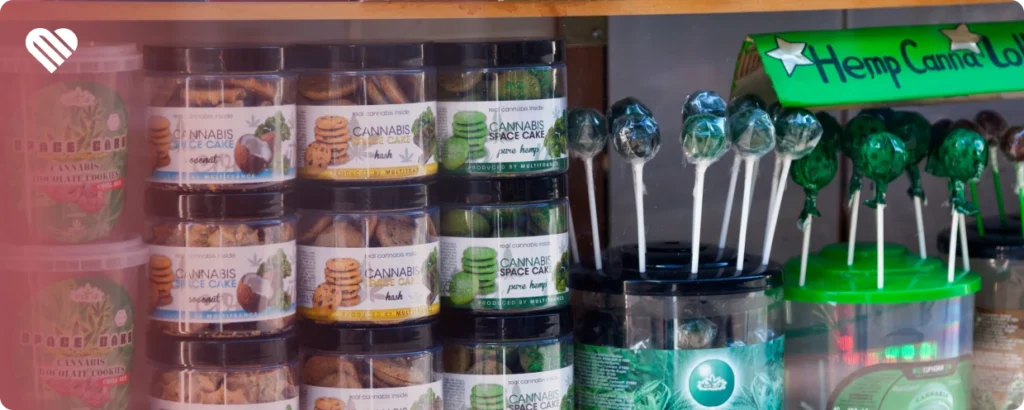
The best cannabis dispensaries will have a wide range of cannabis products to offer patients and customers. Dispensaries and retailers with a limited selection may not be licensed or have the products you are looking for.
All cannabis dispensaries should offer a varied selection of cannabis flower in different package sizes and prices. Ideally, store employees will have information about the cannabinoid potency and dominant terpenes in each selection to help clients choose products best suited to their needs and the effect they are looking for.
Most dispensaries will also carry many other cannabis products, such as pre-rolls, edibles, concentrates, vapes, tinctures, topicals, and more. The best dispensaries will also have a comprehensive line of cannabis accessories and paraphernalia, including rolling papers, pipes, bongs, vaporizers, stash boxes, and other items designed to help cannabis enthusiasts get the best experience possible.
Online cannabis resources such as Weedmaps and Leafly often have a menu of products available for the cannabis dispensaries they list. These menus, regularly updated with current offerings, give consumers and patients the best insight into current product levels without visiting the shop in person. Cannabis dispensaries not listed on third-party platforms often post their product menus on their website.
Finding a good cannabis dispensary nearby can seem like an intimidating undertaking at first. However, with a little research and time spent sampling the available options, most are likely to find a cannabis provider or retailer that can help them enjoy the many benefits of the plant.
The information in this article and any included images or charts are for educational purposes only. This information is neither a substitute for, nor does it replace, professional legal advice or medical advice, diagnosis, or treatment. If you have any concerns or questions about laws, regulations, or your health, you should always consult with an attorney, physician or other licensed professional.