

In This Article
- Can You Legally Take Cannabis With You?
- Adult-Use Vs. Medical States
- Open Container Laws
- Driving While Impaired
- How to Secure Your Cannabis on the Road
- Best Travel Containers for Taking Weed On-the-Go
- Lockable Stash Boxes
- Smell-Proof Zip Cases
- Child-Resistant Jars or Tubes
- Odor-Resistant Organizers for Edibles
- Vehicle Lockboxes
- Can You Take Weed on a Plane?
- Traveling Across State Lines
- What to Know Before You Go
Key Takeaways About Taking Your Weed On-the-Go
- Cannabis may be legal to possess in some states, but how you transport it matters.
- Open container laws and impaired driving rules still apply, even in states where cannabis is legal.
- Flying or crossing state lines with cannabis remains illegal under federal law.
When it comes to taking your weed on-the-go, even in states where it’s legal, laws can vary. Open container rules can be surprisingly strict, and federal regulations still apply in certain situations.
Because enforcement can vary by location and situation, understanding the basics before you travel can help reduce unnecessary risk. This is especially true for road trips, airport travel, or situations where state and federal laws overlap.
This guide breaks down what to know before you head out, how to store cannabis responsibly, and when it’s best to leave it at home.
Can You Legally Take Cannabis With You?
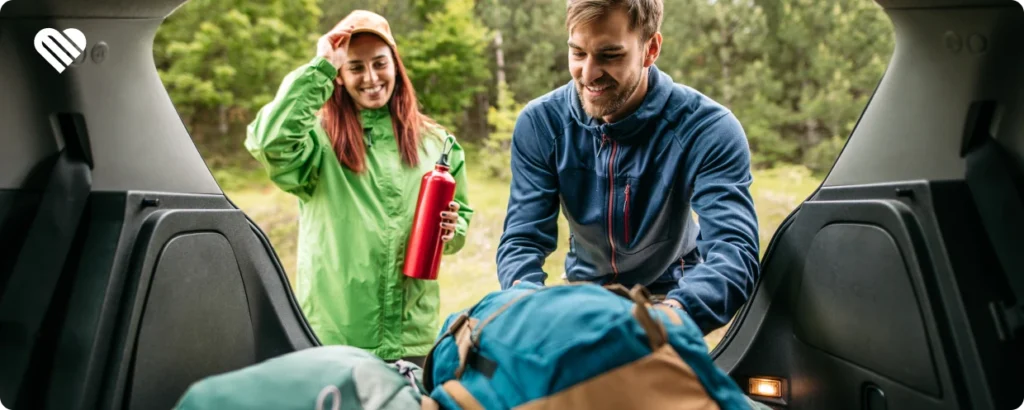
In some cases, yes, but only under specific conditions.
Whether you can legally transport cannabis depends on the state you’re in and how the product is stored.
Adult-Use Vs. Medical States
In recreational states, adults may legally possess cannabis, but consuming it inside a vehicle is prohibited. Products must also not be easily accessible while driving.
In medical-only states, the lack of cannabis-specific transport language can create gray areas. While possession may be permitted for registered patients, vehicle laws often default to alcohol-related standards when cannabis rules are unclear. This means that even legally obtained medical cannabis may still need to be stored in a way that prevents access while driving.
In both cases, possession does not equal permission to use cannabis anywhere or anytime. Public-use restrictions still apply, including inside vehicles, even when parked.
Open Container Laws
Open container laws are designed to prevent the use of cannabis while driving and to limit impairment-related risks on the road. Even if a driver has no intention of using cannabis, the presence of an open container within reach can still raise legal concerns during a traffic stop.
Most states prohibit open cannabis containers in the passenger area of a vehicle.
While definitions vary, an “open container” generally means any cannabis product with a broken factory seal.
Common rules across legal states include:
- No open containers in the front or back seat.
- Storage in the trunk is typically allowed.
- Some states permit locked glove compartments or RV living areas.
Examples of state guidance:
- Massachusetts law (Chapter 94G, Section 13)
- Illinois cannabis transport guidance (PDF)
- California Vehicle Code §23222
- Colorado Revised Statutes §42-4-1305.5
Keeping cannabis sealed and inaccessible helps demonstrate that the product is being transported, not consumed, which is often a key distinction in how these laws are applied.
Driving While Impaired
Driving under the influence of cannabis is always illegal, regardless of state legality or medical status. Even legal possession does not protect against DUI charges. Since cannabis effects can vary widely from person to person, knowing how long after smoking weed you can get a DUI can help clarify why driving laws remain strict even in legal states.
How to Secure Your Cannabis on the Road
The safest approach is to keep cannabis sealed, locked, and out of reach.
While specifics vary by state, general best practices are consistent:
- Store cannabis outside the passenger compartment
- Keep products in sealed or locked containers
- Avoid placing cannabis anywhere reachable from the driver’s seat
If a container is accessible while driving, it may be treated as an open container, even if you’re not actively using it. When laws aren’t explicit, erring on the side of caution can help reduce legal risk.
In medical-only states such as Florida and Pennsylvania, there may not be cannabis-specific vehicle laws. In these cases, alcohol transport laws are often used as a reference:
Best Travel Containers for Taking Weed On-the-Go
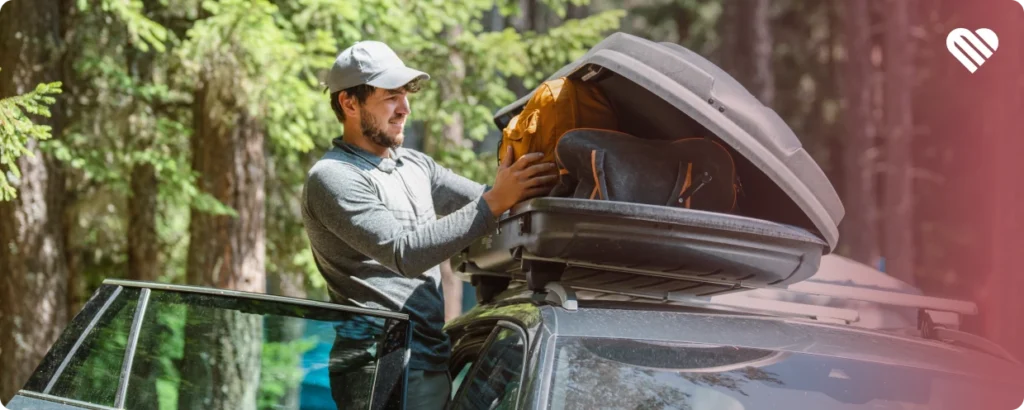
Not all storage options are created equal. The best travel containers are designed to limit access, reduce odor, and keep products secure.
Below are several container types commonly used for responsible transport.
Lockable Stash Boxes
These rigid cases are useful for transporting multiple cannabis products together. Locking mechanisms help prevent access while driving and add a layer of compliance.
Smell-Proof Zip Cases
Odor-resistant cases are lightweight and discreet, making them suitable for short trips. They’re best used when combined with sealed packaging.
Child-Resistant Jars or Tubes
Keeping cannabis in its original child-resistant packaging helps preserve labeling and factory seals, which may be important during a traffic stop.
Odor-Resistant Organizers for Edibles
Edibles stored in dedicated containers reduce the chance of loose packaging and make it easier to keep servings organized.
Vehicle Lockboxes
For longer drives, a vehicle-mounted lockbox placed in the trunk offers one of the most secure storage options.
Regardless of container type, the goal is the same: no access, no use, no confusion.
Can You Take Weed on a Plane?
No. Flying with cannabis is illegal under federal law.
Airports and airplanes fall under federal jurisdiction, where cannabis remains illegal. While the Transportation Security Administration (TSA) does not actively search for cannabis, any cannabis discovered during screening may be referred to law enforcement. The TSA also provides guidance on what passengers can bring on board an airplane.
Some airports offer cannabis amnesty boxes, allowing travelers to dispose of cannabis before entering security.
This applies to all cannabis products, including edibles, flower, vapes, and concentrates.
Traveling Across State Lines
Crossing state lines with cannabis is technically illegal every time.
This applies even if both states have legal cannabis, even if you're a registered medical patient. It's illegal whether you're traveling by car, train, plane, boat, or even on foot.
Federal law governs interstate travel, meaning state-level legalization does not carry across borders. The safest option when crossing state lines is to leave cannabis behind and obtain it legally at your destination, if permitted.
What to Know Before You Go
Cannabis laws can change quickly, and enforcement may vary by location. Before traveling, it’s worth reviewing current state guidelines and planning storage in advance.
When in doubt:
- Keep cannabis sealed, preferably in an unopened container.
- Keep it locked and out of sight. Ideally, keep it in your trunk.
- Keep it out of reach, away from the driver's seat.
The information in this article and any included images or charts are for educational purposes only. This information is neither a substitute for, nor does it replace, professional legal advice or medical advice, diagnosis, or treatment. If you have any concerns or questions about laws, regulations, or your health, you should always consult with an attorney, physician or other licensed professional.