In This Article
- Starting with Too High of a Dose
- Mixing Cannabis And Alcohol
- Treating Strain Names and Indica/Sativa Labels Like Guarantees
- Picking The Wrong Method For The Moment
- Overlooking Set And Setting
- Guessing Edible Dosage
- Trusting Unlicensed Products or Consistently Recalled Brands
- Copying A Friend’s Cannabis Routine
- Disregarding The Law
- Top Tips For New Cannabis Users
Key Takeaways About Beginner Cannabis Mistakes
- A basic understanding of different consumption methods, set and setting, and local laws can help newcomers avoid confusion and unpleasant experiences.
- Starting with high dosages or high-potency products can potentially lead to uncomfortable sessions.
- A combination of personal experience and professional insight can help beginners eventually discover what works best for them.
Dispensary shelves and a laundry list of ever-changing niche cannabis terms can sometimes make learning and shopping overwhelming. For beginners, this stress can also be added to the anxiety of not knowing what to expect or how to have the best experience.
The truth is, most consumers learn through trial and error. And more than a few would probably tell you their best experiences came after a few mistakes and/or unpleasant attempts.
If you’re new to cannabis and want to learn from the errors of cannabis consumers who started before you, there are a few key mistakes beginners make that are easy to avoid.
Starting with Too High of a Dose

THC potency is often talked about as if it were the primary factor shaping the cannabis experience. While THC is one factor amongst others, like terpene content and dosage that affect the individual, too much THC can lead to unwanted results, for newcomers and canna vets alike.
High dosages of THC or high-potency products may lead to overintoxication. Effects can include nausea, disorientation, and other uncomfortable results. This may be especially true for newcomers who are usually not yet familiar with how the plant affects them.
To avoid negative outcomes, consider a low-start, go-slow approach. This method encourages starting with a low dosage, then waiting 30 to 60 minutes before deciding whether another is needed.
It is believed to work for all types of consumers using various types of cannabis products, including joints, edibles, tinctures, and dabs. Depending on the consumption method (e.g., edibles), a specific dose may be recommended. For others, like smoking, "a short hit" might be the closest one can get to eyeballing a low dose.
Mixing Cannabis And Alcohol
It may seem like a fun idea to mix two substances known for elevating the festivities. In reality, mixing cannabis and alcohol can produce an uncomfortable effect known as being crossfaded. This can lead to side effects such as dizziness, nausea, and blackouts.
When enjoying cannabis, consider putting down the cocktail. Otherwise, the two substances may cause the party to end early.
Treating Strain Names and Indica/Sativa Labels Like Guarantees
Just because a name has an energizing or sleepy-sounding name doesn't mean that's always going to be the result. The same applies to labels as indica, sativa, or hybrid.
Experts have taught us that the terms ‘indica’ and ‘sativa’ are better meant to describe plant structure, not effects. However, this categorization system is how many dispensaries and other cannabis professionals narrow large product selections and better guide customers in choosing a product that may best suit their needs.
Newcomers can avoid the adverse effects of choosing the wrong strain by focusing on other factors, such as terpenes and total cannabinoid content (not just THC). A budtender, medical cannabis doctor, or other cannabis expert can help you better understand these compounds. If that seems too much, sometimes a bit of research and reading of others’ experiences with products can help guide you.
Still, keep in mind that each person responds to cannabis differently. No outcome is assured.
Picking The Wrong Method For The Moment
Beginners should pay attention to the type of experience each method produces.
- Smoked cannabis usually delivers a near-instant high that lasts one to three hours.
- Edibles can take more than an hour to kick in and often hit much harder once they do.
- Concentrates like vapes and dabs can kick in almost instantly, with effects far stronger and longer-lasting than smoked flower.
- Tinctures taken by mouth can take effect within 5-15 minutes, and effects can last for several hours.
- Transdermal topicals can be used for immediate spot relief treatments, with effects lasting a few hours.
- Standard topicals are best for surface-level spot treatment application and won’t cause intoxicating effects.
When deciding what to consume, think about the moment and what you want from it. Gauge both the setting and desired outcome before choosing your next session's products and accessories.
Overlooking Set And Setting
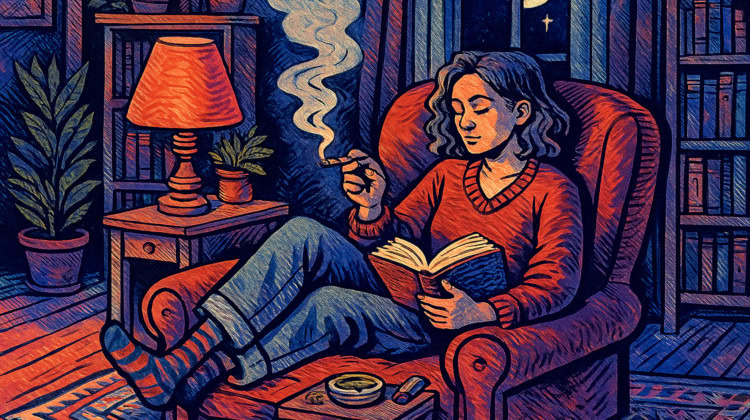
Most first/early smoke sessions happen with friends, or with whoever has some weed to share. They can be great experiences for newcomers, but not always the ideal setting. Before consuming, consider what setting you're most comfortable experiencing the effects of cannabis in.
If you're someone who feels more comfortable in solo, low-key, chill locations, getting high at a crowded party might lead to anxiety. For others, that same setting might bring added laughter and feelings of joy.
The ideal set and setting come down to personal preference. Make sure it works for you, or consider passing on the experience until you feel good in your elements. It's always best to start somewhere that feels comfortable and calm.
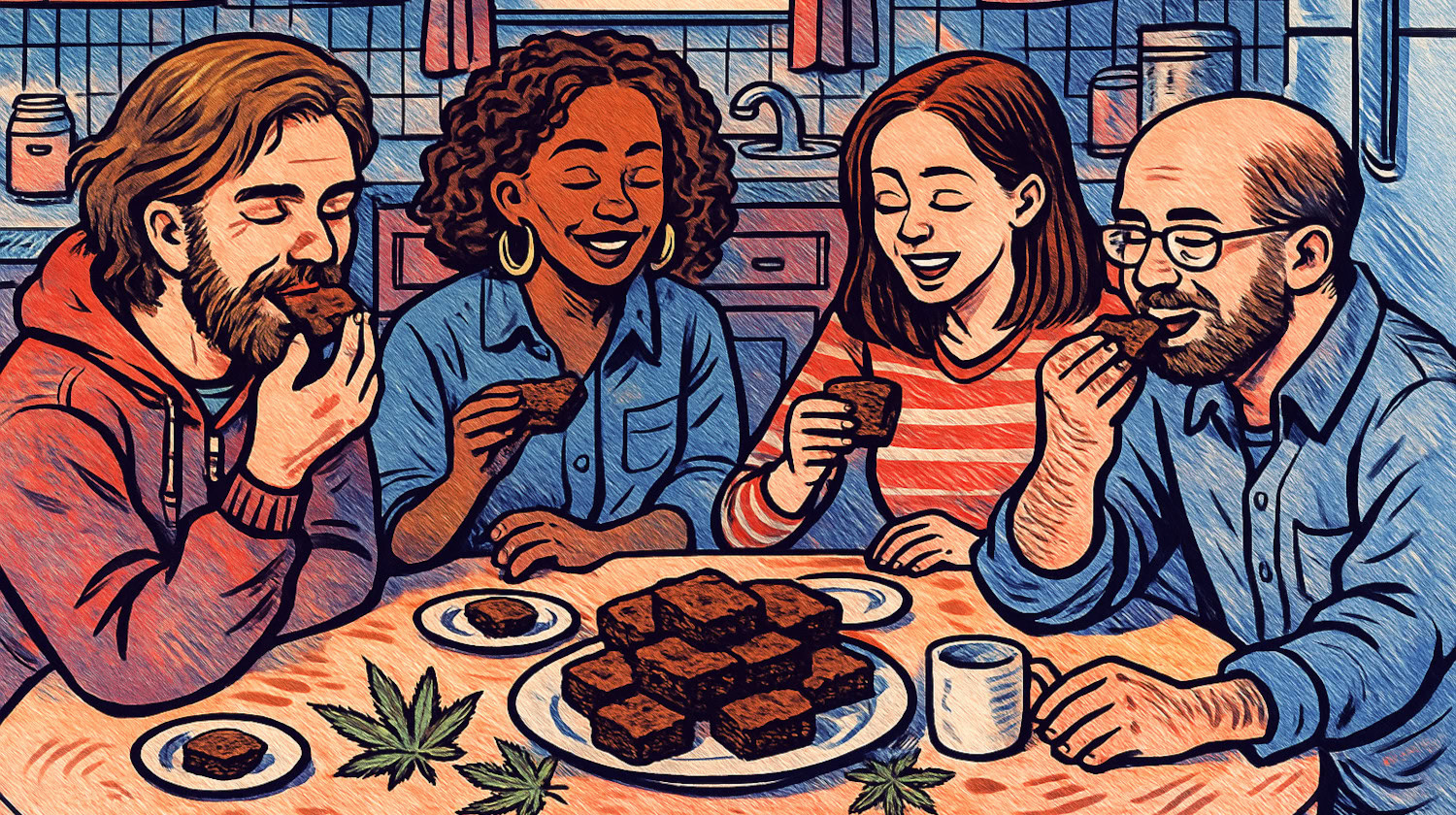
Guessing Edible Dosage
Even the most experienced cannabis connoisseurs can fall into the trap of eyeballing an edible's dosage. All too often, they find out that their estimation skills aren't as sharp as they previously thought.
It’s best to confirm the dosage before you ingest an edible, especially with homemade ones that aren't subject to strict production protocols. If you're not sure of the dosage but want to try a homemade edible, start low, go slow. This can help minimize risks while finding your ideal dose.
Noting the dosage consumed and even the effects experienced can be helpful for newcomers as they explore different products to find the one that works best for them.
Trusting Unlicensed Products or Consistently Recalled Brands
For decades, cannabis products have been sold illegally and untested. While most are arguably safe to consume, there are concerns ranging from mold and pesticides to incorrect dosage to allegedly laced products.
But while the legal market allows for higher testing standards and an assumed higher level of safety, some states have recently begun issuing recalls for licensed, tested products riddled with the same issues, such as mold and inaccurate labels.
It’s best to know and trust the source of your product. Buying from licensed dispensaries is one of the best ways to ensure that you have access to the information you need to make an informed purchase.
Additionally, doing a bit of research about brands or products you’re interested in trying can always help guide your selection. Reference your state’s official cannabis website to check if they issue product recalls.
Copying A Friend’s Cannabis Routine
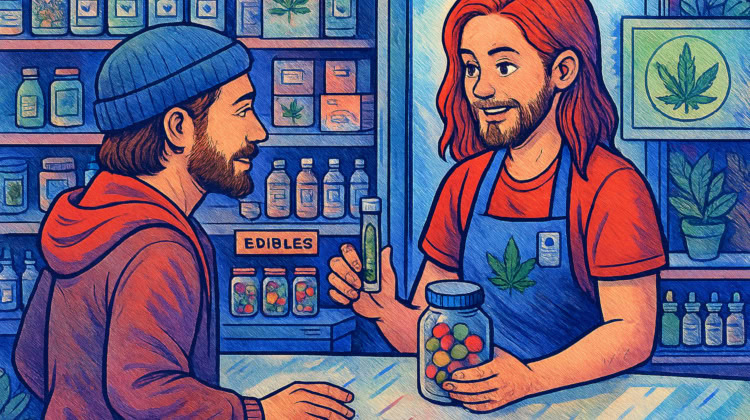
Cannabis affects every person in a different way. What happened to your friend doesn’t guarantee you’ll have the same experience. That's because biology, tolerance, and daily rhythm all affect how cannabis feels.
It's best to treat cannabis consumption as an individual experience, even when consuming with one or more people. Remember, it's far from one-size-fits-all.
This is another reason why it may be beneficial to shop at licensed dispensaries. There, you can ask your budtender all the questions you have about strain effects and best practices for newcomers.
Disregarding The Law
The world of weed used to be an entirely outlaw experience; many refer to pre-legalization as the “legacy market,” acknowledging the many cannabis pioneers, farmers, and advocates who came before us. From growing to consumption and everything in between, it was all subject to criminal penalties, and in some places still is. People are still actively serving serious time in prison for cannabis related charges.
While legalization has slowed that process down a bit in some places, the law is far from consistent, especially in the United States. Each state sets its own cannabis laws, creating a patchwork approach to an already complex plant.
Consider the laws where you're located before lighting up or otherwise consuming. In New York, public consumption may be allowed, but it isn't in most states. Laws around purchasing and possession limits are also crucial to understand. You don’t want to get caught with the wrong amount or be in the wrong place when the cops come by. If that happens, you may face stiff fines or even harsher penalties.
Always consider the law when consuming, especially when traveling in the U.S. or abroad, where you may not have a firm understanding of local regulations.
Top Tips For New Cannabis Users
The tips above serve as great ways for newcomers can enjoy cannabis without making many mistakes. But they are far from the only insights that can make or break the experience.
Keep the below in mind during your first session and whenever making adjustments to your routine.
- Change one variable at a time to learn which affects your experience the most.
- Give yourself space to relax before adding more products or new methods.
- Store cannabis in a cool, sealed container away from light, kids, and pets when not in use.
- Ask clear questions when shopping at the dispensary.
- Before visiting the dispensary, it may be best to speak with a certified cannabis physician who can answer questions before you shop at a dispensary.
The information in this article and any included images or charts are for educational purposes only. This information is neither a substitute for, nor does it replace, professional legal advice or medical advice, diagnosis, or treatment. If you have any concerns or questions about laws, regulations, or your health, you should always consult with an attorney, physician or other licensed professional.