In This Article
- Why We’re Taking a Second Look
- Ways Cannabis May Support Retirement Life
- Sleep
- Everyday Comfort
- Calm and Perspective
- Appetite
- Mind Matters
- Fun Things Seniors Can Do with Cannabis
- Creative and Artistic Endeavors
- Nature and Physical Movement
- Social and Relaxing Hobbies
- Mental Engagement
- Explore Safely
- Slower Processing
- Balance and Safety
- Medication Interactions
- References
Key Takeaways About Cannabis and Retirement
- Many seniors are exploring cannabis use to support sleep, ease discomfort, and feel more relaxed.
- Because older bodies process substances differently, starting small and moving slowly helps avoid unwanted effects.
- When used thoughtfully and discussed with a healthcare provider, cannabis can be one part of feeling well in retirement.
Retirement changes the rhythm of our days.
There’s more quiet in the morning. Fewer alarms. Fewer deadlines. But often, our knees that creak while walking up stairs, our sleep that doesn’t last as long as it once did, and more prescription bottles on the counter than we ever expected.
It isn’t surprising that many of us older adults are looking for ways to improve our well-being. And for more adults over 50 than ever before, our exploration includes questions about cannabis.
Although some of us are new to it, and others are returning after (more than a few) years away, cannabis use is growing among older adults. In fact, according to AARP, adults 65 and older are among the fastest-growing groups of cannabis users.

Why We’re Taking a Second Look
For those of us who grew up hearing that cannabis was reckless or illegal, it can feel strange to reconsider it now. Those early impressions tend to stick.
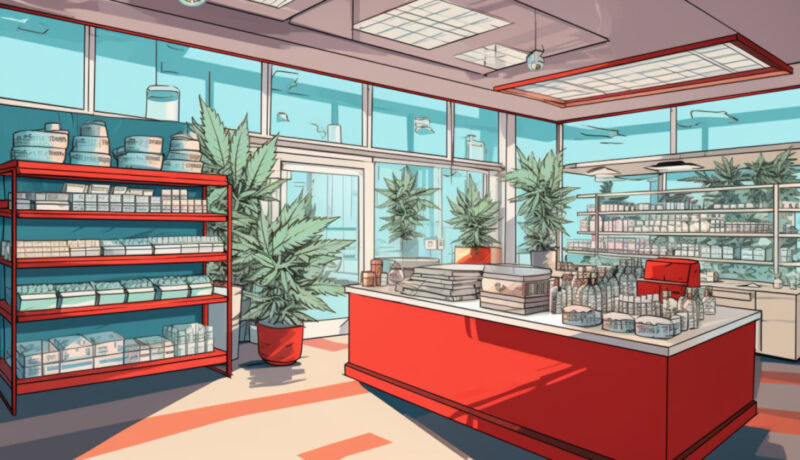
But the landscape has changed. In many states, cannabis is regulated and tested. Dispensaries operate openly. Telehealth has made medical consultations easier, even in rural communities.
Conversations about cannabis occur in our doctor’s office. Talking with friends or family about cannabis is no longer taboo. And today, around 19% of those between 50-64 have used cannabis products in the last year.1
It’s no wonder that more older adults are curious about cannabis.
Ways Cannabis May Support Retirement Life
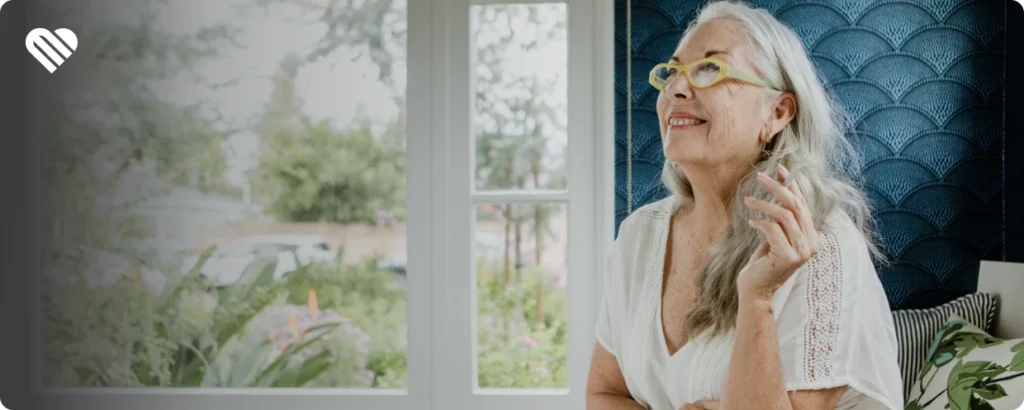
Feeling good is what makes retirement enjoyable. But as we know, health changes affect how our days can feel. Now, older adults are looking at cannabis for relief from common issues.
Sleep
Many of us notice that sleep patterns change as we age. Difficulty falling asleep, waking during the night, and getting back to sleep are common problems.
Based on a Harvard Health survey, some older adults report that small amounts of cannabis in the evening help them relax enough to fall asleep more easily. But smaller doses often work better while higher doses can interfere with sleep quality or leave you groggy the next morning.
Everyday Comfort
Joint stiffness and muscle aches shape how active we feel. But we know physical activity is vital to keeping our bodies going.
Interestingly, analysis by NORML found hat older cannabis users report more physical activity than our younger counterparts. For some retirees, cannabis becomes one part of a larger routine that includes walking, stretching, or strength work.
Pain or discomfort is one of the most cited reasons for cannabis use among older adults. Many find topical creams or lower-THC products are the go-to for relief.
Calm and Perspective
With age comes wisdom, they say. Spending time with your thoughts can bring quiet periods of calm. Or not. Many of us notice that anxiety doesn’t vanish with age. In some cases, it becomes more noticeable as the busyness of work slows down.
Some older adults say that very low doses of cannabis help them feel calmer or more present. However, higher doses of THC can increase anxiety or paranoia, particularly in older adults.
There isn’t one universal reaction to cannabis. Our responses can vary widely, especially as we get older.
Appetite
As we age, slower metabolism, less activity, or lower energy needs can bring our appetite to a standstill. If maintaining weight is a challenge, the “munchies” may help. Cannabis is known to stimulate appetite for some people.2
If maintaining weight has become a challenge, that effect may help.
Mind Matters
As much as we pay attention to our bodies, our minds need exercise too. Keeping our minds curious and engaged can be as important to our health as fresh air and walking.
While cannabis doesn’t give you mental superpowers, research exploring cannabis and cognition in older adults is ongoing, and findings are mixed.3
Fun Things Seniors Can Do with Cannabis
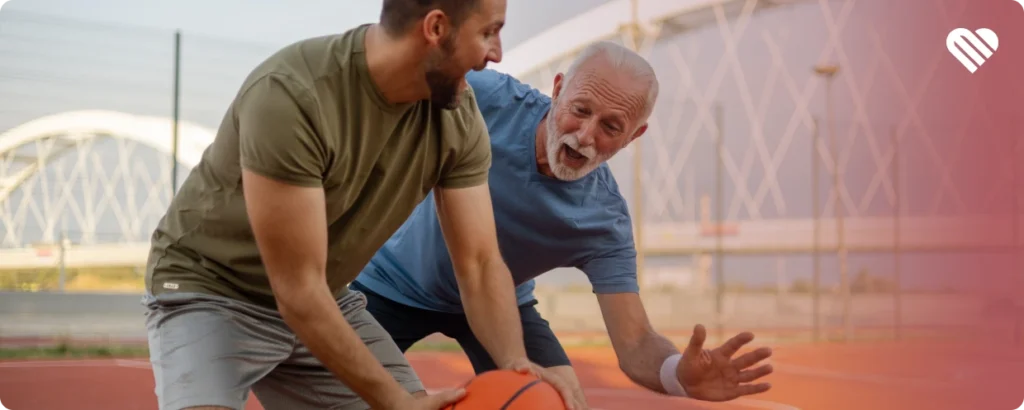
As a CBS news report called High and Retired noted, cannabis is becoming part of both social activities and hobbies among seniors.
Harvard researcher Dr. Peter Grinspoon (a senior himself) believes cannabis, used wisely, can enhance people’s wellness. “It doesn’t really affect the outcome of many diseases,“ he says, “But for many people, it does alleviate the symptoms, effectively solving the problem.”1
Retirees pair cannabis with leisure time activities and report heightened observation, focus, and pleasure in the moment. Using cannabis wisely brings a new dimension to everyday moments.
What activities could older adults pair with cannabis?
Creative and Artistic Endeavors
- Painting, Drawing, and Sculpting: Many report that cannabis enhances artistic flow, allowing openness to experiment (or discover) creative expression.
- Creative Writing and Journaling: Stimulates memory, new perspectives, and ideas.
- Crafting: Sewing, Knitting, Crocheting, and Scrapbooking: Serve as an outlet for a focused, relaxed state.
- Music: Whether listening to a favorite artist or dusting off your old guitar, cannabis may create a more immersive experience.
Nature and Physical Movement
- Hiking and Nature Walks: Whether you are getting your daily steps in or birdwatching in the woods, cannabis can heighten sensory perception, making time outside more vivid and enjoyable.
- Yoga, Tai Chi, and Meditation: With a quiet mind and improved body awareness, these mindfulness practices top the list of favorite activities to couple with cannabis among older adults.
- Gardening: Getting your hands in the dirt connects you with nature. Fusing the unhurried activity of tending a garden with cannabis makes even weeding more pleasurable. In states where home cultivation is legal, some retirees enjoy growing their own.
- Light Exercise: Whether you use weight-training machines, take water aerobics, or do daily calisthenics, cannabis can help you flow through your routine or recuperate afterward.
Social and Relaxing Hobbies
- Cannabis-Friendly Social Events: “Paint and Puff” sessions, cooking classes, or group trips to dispensaries are popular for spending time with others.
- Card and Board Games: Whether you are in it to win it or more interested in the chat, getting a group together to play a game fosters connections.
- Solo Activities: Curl up with a book or head out to take photos, visit a museum, or take in an afternoon matinee. Going solo isn’t lonely if you are engaged in the activity.
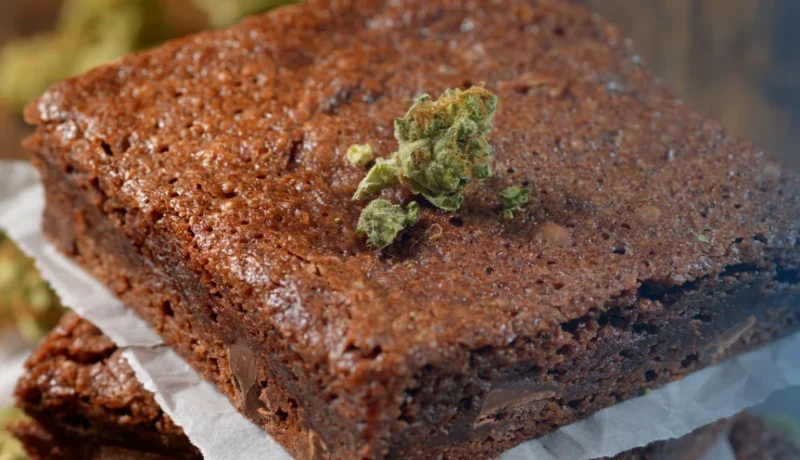
- Cooking and Baking: Try your hand at sourdough bread or make the ultimate omelette. Or, discover the culinary side of cannabis (cookbooks abound!) for both relaxation and great food.
Mental Engagement
- Puzzles and Brain-Teasers: Tackle that 2000-piece jigsaw puzzle, or work on your Sudoku skills. Cannabis may improve focus and immerse your brain in the thrill of solving.
- Watch Documentaries or Films: Dig deep into history or spend an afternoon in Paris. Explore a topic of interest to activate your mind or learn something new.
Explore Safely
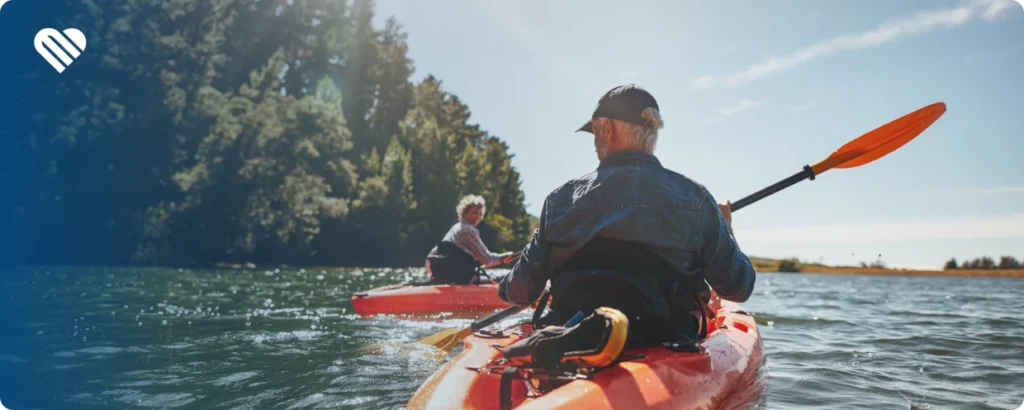
Whether you use cannabis medically, recreationally, or both, use it responsibly.
We may feel 30 in our heads, but our bodies have their own timeline.
Slower Processing
Our bodies often metabolize substances more slowly over time. Edibles may take longer to take effect and last longer than expected. You might be more sensitive to THC, especially at higher doses. Starting with smaller amounts helps prevent unpleasant surprises.
Balance and Safety
Balance issues or dizziness aren’t uncommon in older adults, due to changes in our gait or other medical conditions. Even being mildly impaired by cannabis can increase fall risk.
Stick to familiar settings and low activity until you know how cannabis affects you. Driving at any age under the influence of cannabis isn’t just a bad idea; it’s illegal. Apply common sense before you engage in any activity where a slower reaction time or impairment may be a factor.
Medication Interactions
Many of us take medications for blood pressure, cholesterol, mood, or heart rhythm. Cannabis can interact with certain medications’ absorption by your body. Review your cannabis use with your doctor to help them make informed choices and reduce risk. If that conversation feels uncomfortable, know that many clinicians are becoming more accustomed to discussing cannabis openly.
References
- Kaskie B, Bhagianadh D, Bobitt J, Martinos F, Milavetz G, Arora K. Unrelenting Growth and Diversification: Using the Health and Retirement Study to Illuminate Cannabis Use Among Aging Americans. The Gerontologist. 2024;64(6):gnae016. doi:https://doi.org/10.1093/geront/gnae016 ↩︎
- Goodpaster KPS. Cannabis, Weight, and Weight-Related Behaviors. Current Obesity Reports. 2025;14(1). doi:https://doi.org/10.1007/s13679-025-00633-z ↩︎
- Guha A, Fu Z, Calhoun V, Hutchison KE. Lifetime Cannabis Use Is Associated with Brain Volume and Cognitive Function in Middle-Aged and Older Adults. Journal of Studies on Alcohol and Drugs. Published online December 11, 2025. doi:https://doi.org/10.15288/jsad.25-00346 ↩︎
The information in this article and any included images or charts are for educational purposes only. This information is neither a substitute for, nor does it replace, professional legal advice or medical advice, diagnosis, or treatment. If you have any concerns or questions about laws, regulations, or your health, you should always consult with an attorney, physician or other licensed professional.