In This Article
- Hemp THC vs Medical Cannabis: Which is Better?
- Quality and Consistency
- Product Testing
- Strain Selection
- Natural vs Synthetic Cannabinoids
- Safety Concerns With Hemp THC
- Lack of Regulation and Oversight
- Contamination and Unsafe Manufacturing Practices
- Inconsistent Potency or Misleading Labeling
- Unknown Long-Term Health Effects
- The Changing Legal Landscape for Hemp
- Benefits of a Medical Cannabis Card
- Medical Oversight
- More Consistent and Reliable Dosing
- Wider Product Selection
- Legal Protection
- Lower Cost
Key Takeaways About Comparing Medical Cannabis and Hemp THC
- Many patients have their choice of regulated medical cannabis or hemp THC products.
- Medical cannabis has several advantages over hemp THC.
- A medical cannabis card gives patients access to licensed, tested products.
In the absence of recreational cannabis, people in many states rely on the intoxicating hemp market that's boomed following the 2018 Farm Bill. However, the safety and legality of the hemp market has been called into question. Meanwhile, Medical cannabis is regulated and tested for safety. Plus, medical cannabis is more accessible than ever.
Hemp THC vs Medical Cannabis: Which is Better?
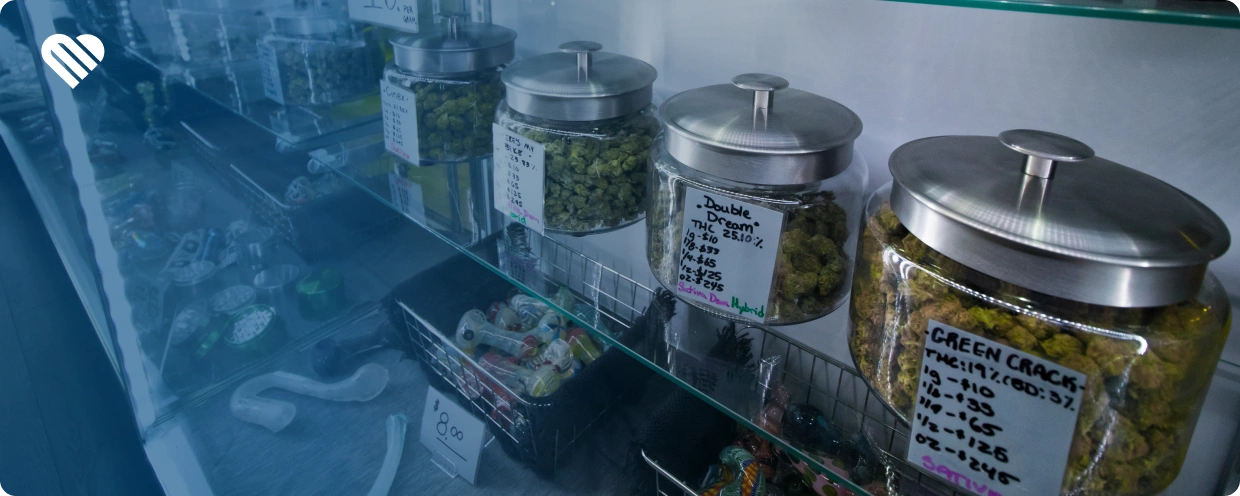
While hemp THC products are often more easily accessible to all consumers (not just medical cannabis patients) and tend to be less expensive, regulated medical cannabis has several benefits that make it the go-to choice for most medical consumers, including:
Quality and Consistency
Medical cannabis sold by licensed dispensaries is produced under strict regulations to help ensure quality and safety. These include rules for seed-to-sale tracking, independent lab testing, packaging, labeling, and various other requirements.
Operators are usually also required to provide a certificate of analysis (COA) with the results of independent laboratory testing for potency and safety. These regulations, combined with mandatory compliance reporting and inspections, dramatically increase the likelihood that products have been grown and manufactured by licensed operators in accordance with quality and consistency standards.
Hemp THC products exist in a patchwork regulatory environment. They are subject to general federal and state consumer-protection laws, but many products are sold with far less consistent oversight than state-licensed medical cannabis. In some states there are detailed rules for hemp THC, while in others standards are still limited.
Product Testing
Most states that have legalized medical cannabis require products to be tested for potency and contaminants through licensed labs. This analysis ensures that products are free of pesticides, heavy metals, residual solvents, microbial contaminants, and other impurities. Medical weed is also tested for cannabinoid content and often terpenes, as well, giving patients insight into the product’s potential effectiveness.
Hemp THC products are not always subject to mandatory third-party testing, and many on the market lack reliable certificates of analysis (COAs) or accurate labels. This can make it harder for patients to verify potency and purity.
Strain Selection
Patients shopping at medical cannabis dispensaries usually have their choice of several (sometimes dozens) different cultivars, often referred to as strains, each with unique cannabinoid and terpene profiles. Many of these varieties are time-tested and treasured for their potential therapeutic effects, helping patients choose products best suited to their situation.
With hemp THC, however, particular strains of flower are rarely consistent or in such variety or in a broad selection of cannabinoid and terpene profiles.
Natural vs Synthetic Cannabinoids
Medical weed cultivars are generally bred and grown to be rich in THC or CBD, two cannabinoids that the cannabis plant naturally produces. These cannabinoids, which humans have widely used for millennia, have also been extensively researched for their safety and effects.
Many hemp products contain synthetic or semi-synthetic cannabinoids such as delta-8 THC, delta-10 THC, or HHCO. These compounds, which cannabis plants naturally produce in only trace amounts or not at all, are made in a laboratory using acids, solvents, catalysts, or other chemical reagents.
If not done properly, these processes can leave harmful residues or produce byproducts with unknown toxicity. Additionally, synthetic and semi-synthetic compounds such as delta-8 have not been studied nearly as much as delta-9 THC and CBD, so their safety and efficacy are largely unknown.
Because these synthetic or semi-synthetic cannabinoids are produced through chemical reactions, poor manufacturing controls can leave behind unknown byproducts or residues, which may increase safety risks.
Safety Concerns With Hemp THC
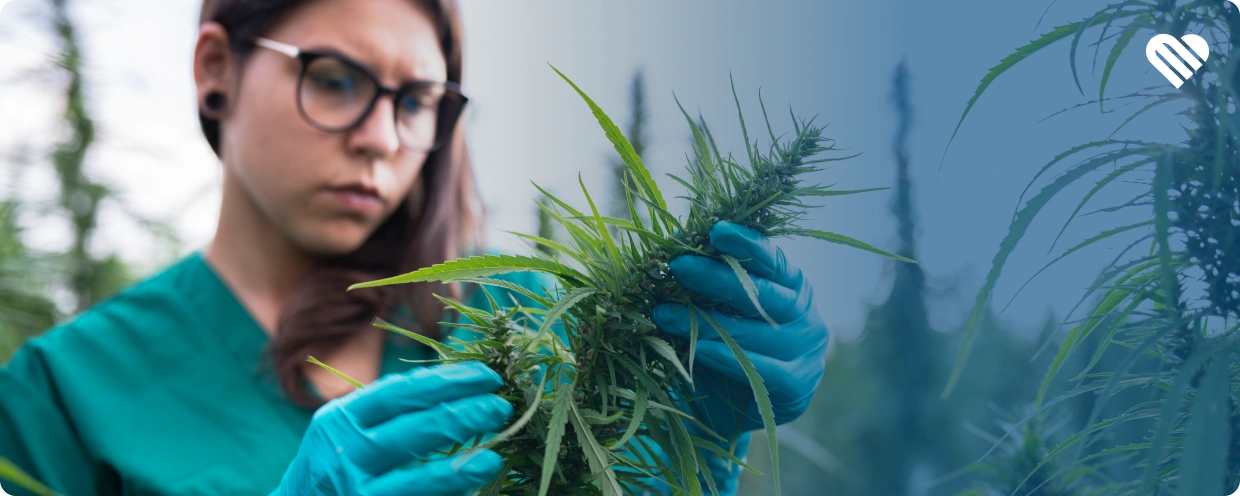
Although many hemp product manufacturers are conscientious operators who take safety seriously, others take shortcuts that may compromise safety. If you choose to buy hemp products, keep the following concerns in mind:
Lack of Regulation and Oversight
The U.S. Food and Drug Administration (FDA) warned consumers in 2022 that many hemp-derived THC products have not been evaluated or approved for safety or efficacy. As a result, there is no guarantee that doses are safe or formulations reliable, and reported side effects range from confusion and anxiety to emergency-room visits in some cases.
Contamination and Unsafe Manufacturing Practices
Hemp-derived THC products (especially delta-8, delta-10, and other isomers) are often produced by chemical conversion from other cannabinoids, such as CBD. If done in poorly controlled or unsanitary conditions, these chemical processes can leave harmful residues or produce toxic by-products.
Because standards for hemp production and manufacturing are often lacking, unregulated products may contain pesticides, heavy metals, residual solvents, or other contamination uncommon in licensed medical cannabis products. The lack of lab testing or COAs for many hemp THC products means patients have no way to verify purity and potency.
Inconsistent Potency or Misleading Labeling
Independent lab studies have repeatedly found that many hemp-derived products are mislabeled, with THC or CBD levels that don’t match the packaging and, in some cases, unexpected THC content.
The labels of some hemp-THC products may not accurately reflect their actual cannabinoid content, making it easier for patients to ingest far more or less than intended. This inconsistency makes dosing unpredictable, which can be a significant concern for medical cannabis users who need reliable, repeatable effects.
Unknown Long-Term Health Effects
There is limited or no long-term clinical data on repeated or regular use of synthetic or hemp-derived cannabinoids such as delta-8 and delta-10, especially when produced by chemical conversion or unregulated lab processes.
The Changing Legal Landscape for Hemp
The 2018 Farm Bill removed ‘hemp’—defined as cannabis with no more than 0.3% delta-9 THC on a dry-weight basis—from the federal definition of marijuana. This change allowed hemp cultivation and interstate commerce for qualifying products, but it did not create full FDA approval for cannabinoids in foods, supplements, or drugs.
In response to the proliferation of intoxicating and potentially unsafe products, several states have taken measures to regulate hemp-derived cannabinoids. Arizona, California, and some other states have taken a restrictive stance, either banning intoxicating hemp-derived cannabinoids such as delta-8 or relegating such products to the regulated cannabis market.
Other states, including Kentucky, Minnesota, and Tennessee, have taken steps to regulate hemp THC products. By adopting rules including licensing and minimum age requirements, potency limits, and packaging and labeling standards, these jurisdictions seek a balance between full legalization and outright prohibition of hemp THC.
Laws passed by some states to regulate hemp THC products may be short-lived, however. In November 2025, Congress passed a federal spending bill that sharply restricts hemp-derived THC products. The law keeps the 0.3% delta-9 THC definition for hemp, but also limits total THC in a package to about 0.4 milligrams and prohibits many synthetic or intoxicating hemp-derived cannabinoids.
The new rules are scheduled to take effect one year after passage, in late 2026. Industry groups warn that, unless the law is revised, it could eliminate many of the hemp THC products currently on the market.
Benefits of a Medical Cannabis Card

In states that have legalized medical cannabis, obtaining a medical card and purchasing from a licensed dispensary has several advantages over unregulated hemp THC products. These benefits include:
Medical Oversight
In most jurisdictions that have legalized medical cannabis, patients must see a physician for a recommendation before they can get a medical card. This consultation allows patients to ask a qualified medical professional about cannabis, its potential benefits, and any possible side effects and risks.
Doctors who specialize in medical cannabis can help patients understand potential benefits and risks, and discuss product types and consumption methods that may be appropriate for their situation.
More Consistent and Reliable Dosing
Licensed medical cannabis dispensaries typically offer standardized product formulations with precise THC:CBD ratios, measured cannabinoids, and controlled terpene profiles. This consistency helps patients manage symptoms more predictably and avoid the variability in potency common in unregulated hemp products.
Wider Product Selection
Medical cannabis programs often include high-THC flower, tinctures, edibles, capsules, topicals, and strain-specific options designed for specific therapeutic purposes. The selection of hemp THC products available to patients is generally less extensive and often unreliable.
Legal Protection
In states that have legalized medical cannabis, a medical card can provide certain protections under state law for possessing and purchasing medical cannabis. These protections usually apply only within the state program and do not change federal law, driving laws, or an employer’s own policies.
With a medical card, patients are permitted to possess, purchase, use, and transport medical cannabis in the state that issued the card. Some states also have reciprocity agreements that allow registered patients from other jurisdictions to use their medical card to purchase and use medical cannabis while visiting.
Lower Cost
Registered cannabis patients can often make purchases of medical cannabis that are free of some or all of the high taxes levied on recreational weed. Patients may also have higher purchase limits, allowing them to buy larger quantities at bulk pricing. Both of these factors can help medical cannabis patients save money.
A healthcare professional with experience treating medical cannabis patients can also explain the benefits of medical cannabis compared to hemp THC. To learn more, schedule a consultation today.
The information in this article and any included images or charts are for educational purposes only. This information is neither a substitute for, nor does it replace, professional legal advice or medical advice, diagnosis, or treatment. If you have any concerns or questions about laws, regulations, or your health, you should always consult with an attorney, physician or other licensed professional.