In This Article
- How We Got Here: From the 2018 Farm Bill to Today
- Which Hemp Products Could Disappear Under the New Federal THC Rules?
- Are the New Hemp Restrictions Guaranteed to Take Effect?
- What Happens to Non‑Intoxicating CBD?
- If the New Hemp Rules Take Effect, How Can Consumers Still Access Cannabis Legally?
- What to Watch Next
- Looking Ahead
Key Takeaways About How the Hemp Ban Impacts Products
- The legislation imposes a 0.4-milligram total THC limit on finished hemp cannabinoid products, a threshold that many current products would exceed.
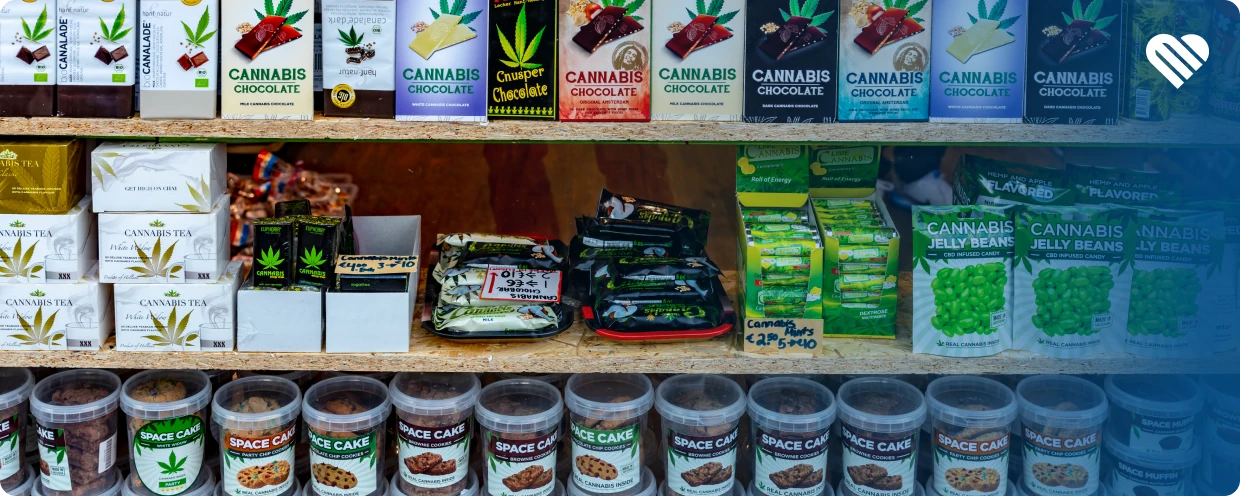
- Many full‑spectrum CBD items, THCA flower and vapes, and hemp‑derived THC beverages would no longer qualify as legal hemp if the ban takes effect.
- Access to cannabis will continue through state‑regulated medical and adult‑use programs.
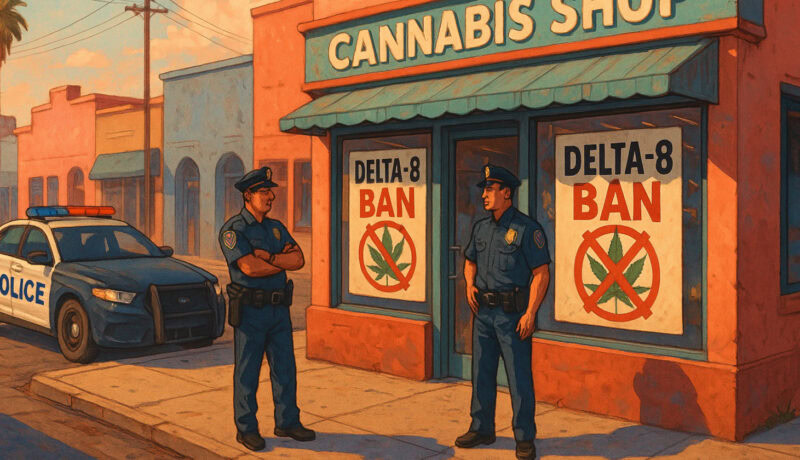
A major federal restriction on intoxicating hemp products is currently scheduled to take effect toward the end of 2026 unless Congress changes the law or courts intervene. Several popular products could disappear under the new definition of hemp. Items like hemp THC gummies, THCA flower, and hemp‑derived THC beverages would no longer qualify as legal hemp because they exceed new limits on total THC. The restriction was included in a November appropriations bill, and it remains in place unless Congress amends it.
How We Got Here: From the 2018 Farm Bill to Today
The impending federal hemp ban traces back to the 2018 Farm Bill, which legalized hemp nationwide and set the federal limit of 0.3% delta-9 THC by dry weight. Lawmakers did not anticipate that this definition would allow producers to create intoxicating cannabinoids from hemp‑derived CBD or market high‑THCA flower as legal hemp. As a result, a large national market for hemp THC products emerged in the years that followed.
Congress addressed that gap in November 2025, passing an appropriations bill that included a new definition of hemp. The updated language replaces the delta-9 standard with a total THC calculation that includes THCA. It also removes federal protection for products made with converted cannabinoids such as delta-8 and delta-10. These changes are the foundation of the impending ban and would make many current hemp products illegal at the federal level.
Federal cannabis policy has continued to evolve alongside these developments. A 2025 executive order directed agencies to accelerate cannabis research and review scheduling policy, and in April 2026, the Department of Justice announced that medical cannabis would move to Schedule III under federal law. Recreational cannabis remains Schedule I.
These actions are significant for medical cannabis, but they do not alter the implementation of the hemp restrictions in the November 2025 bill. The new definition of hemp remains in place unless Congress revises it.
Which Hemp Products Could Disappear Under the New Federal THC Rules?
The November 2026 appropriations bill creates a new federal definition of hemp that is far narrower than the 2018 definition. The updated language replaces the 0.3% delta‑9 THC standard with a total THC calculation that includes THCA. It also excludes many chemically converted cannabinoids, including delta-8 and delta-10 THC, from the federal definition of legal hemp.
Most significantly, the new federal definition of hemp sets a new limit of 0.4 milligrams of total THC per package, which is far lower than the THC content found in many common hemp products. Together, these changes place a large share of the current hemp market outside the scope of legal hemp.
Delta‑8 THC products are among the most directly affected. Gummies, vapes, tinctures, and other items made with converted cannabinoids would likely fall outside the federal definition of hemp. The same applies to delta‑10, HHC, THCP, and similar compounds that rely on the same conversion process.
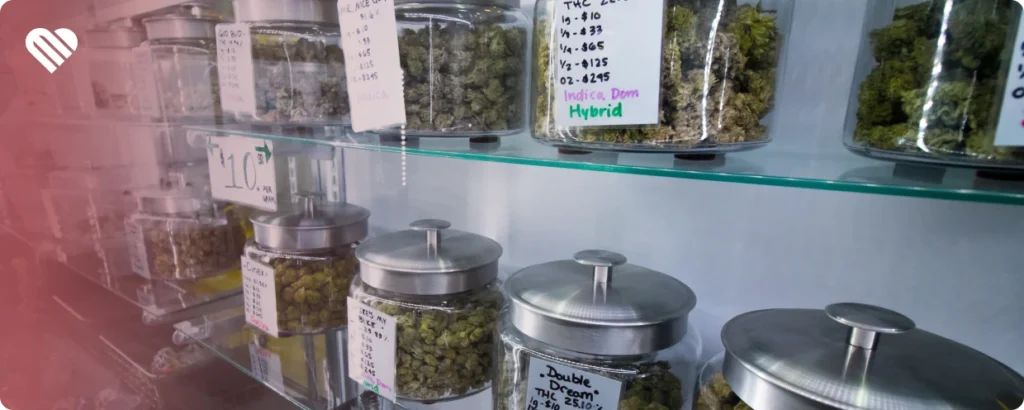
High‑THCA hemp flower would also be at risk. Many products sold as hemp contain low delta‑9 THC but high THCA levels, which would push them over the new total THC limit once the updated definition is applied.
Hemp‑derived THC beverages face a similar challenge. Many seltzers and shots contain several milligrams of THC per serving, which is far above the 0.4‑milligram per‑package cap. Without major reformulation, many current hemp THC beverages would likely exceed the proposed federal limits.
Some full‑spectrum CBD products may also be affected. Many tinctures contain trace THC levels that are well within the current 0.3% limit but exceed the new per‑package threshold. Bulk extracts and distillates used in manufacturing could also fall outside the new definition if they contain concentrated THC or THCA.
A portion of traditional smokable hemp flower may remain legal, but many strains exceed the total THC limit. How this category is treated will depend on how federal agencies interpret and enforce the new rules.
Are the New Hemp Restrictions Guaranteed to Take Effect?
The new hemp restrictions were included in the November 2025 appropriations bill, which means it will take effect at the end of 2026 unless Congress changes the language. Lawmakers can still amend or remove the provision, but no changes have been adopted so far.
A bipartisan group in the House has introduced a bill that would reverse the new definition of hemp and restore the 2018 standard. The proposal has support from hemp industry groups and several state agriculture departments, but it has not yet advanced.
Federal agencies have not yet issued guidance on how the new definition will be enforced. It is not clear how total THC will be calculated for compliance purposes or how the 0.4‑milligram per‑package limit will be applied. Future agency guidance could influence how quickly the ban is implemented and how strictly it is enforced.
States with large hemp industries may also push for flexibility or delayed enforcement. For now, the revised hemp definition is still scheduled to take effect.
What Happens to Non‑Intoxicating CBD?
Non-intoxicating CBD derived from compliant hemp would remain federally lawful under the revised hemp definition, although FDA rules around CBD in foods and supplements remain unresolved. The appropriations bill sets a limit of 0.4 milligrams of total THC per package, which is far lower than the trace THC levels found in most full‑spectrum tinctures, oils, and gummies.
Many products that are fully compliant with the current 0.3% delta‑9 THC standard contain several milligrams of total THC per bottle, which means they would need to be reformulated or removed from the market if the ban takes effect.
CBD products that contain no THC at all are not affected. Broad‑spectrum and THC‑free CBD items would continue to qualify as legal hemp as long as they meet all other requirements. These products may become more common if the new definition is implemented, as they are the easiest to keep compliant with.
The federal government has also signaled support for CBD through a new Medicare pilot program. The initiative allows Medicare to cover up to $500 in hemp‑derived CBD products that contain no more than 0.3% THC. This program is separate from the impending hemp restrictions, but it reinforces that non‑intoxicating CBD remains legal even as many full‑spectrum products face new limits.
If the New Hemp Rules Take Effect, How Can Consumers Still Access Cannabis Legally?

If the revised federal hemp rules take effect as written, consumers will still have several legal pathways to access cannabis. The most reliable option is a state‑licensed medical cannabis program. These programs offer regulated products, consistent testing standards, and a wide range of formulations unaffected by the new federal definition of hemp. Patients in medical states can continue purchasing THC products as long as they follow state rules.
Adult‑use states provide another clear path. Consumers in states with legal cannabis can continue buying THC products from licensed retailers, since the federal hemp definition does not restrict state‑regulated cannabis markets. The revised hemp definition targets federally lawful hemp products and does not directly change state-regulated medical or adult-use cannabis programs.
Federally compliant CBD will also remain available. Broad‑spectrum and THC‑free CBD products that meet the new 0.4‑milligram total THC limit can still be sold nationwide. These products may become more common if the ban takes effect, since they are the easiest for manufacturers to keep compliant.
Future options may also emerge. Congress could revise the hemp definition, federal agencies could issue guidance that shapes enforcement, and lawsuits could challenge parts of the ban. State legislatures may also create new pathways for hemp‑derived cannabinoids within their borders. For now, the most dependable access points remain state‑regulated cannabis programs and compliant CBD products.
What to Watch Next
Several developments could shape how the federal hemp restrictions unfold over the rest of the year. The most immediate factor is Congress. Lawmakers can still amend or remove the new hemp definition, and a bipartisan bill has already been introduced to restore the 2018 standard. Whether that proposal gains momentum will determine how much of the current hemp market remains intact.
Federal agencies have not yet issued guidance on how the new definition will be enforced. It is not clear how total THC will be calculated for compliance purposes or how the 0.4‑milligram per‑package limit will be applied. Future agency guidance could influence how quickly the ban is implemented and how strictly it is enforced.
Legal challenges are another possibility. Industry groups and state agriculture departments have signaled that they may challenge parts of the new hemp law, especially the per‑package limit and the prohibition on converted cannabinoids. Court rulings could delay enforcement or reshape how the new definition is applied.
States may also respond independently. Some states with large hemp industries could adopt their own rules to preserve parts of the market, while others may align closely with the federal definition. These differences could create a patchwork of state‑level policies similar to medical cannabis, even if the federal ban moves forward.
Looking Ahead
The new federal definition of hemp would remove many popular products from the national market, including full‑spectrum CBD items, THCA flower, and hemp‑derived THC beverages. CBD itself remains legal, but most products that contain trace THC above the 0.4‑milligram limit would need to be reformulated or discontinued. Consumers in medical and adult‑use states will still have access to regulated cannabis, but the future of many hemp products depends on what Congress, federal agencies, and the courts decide in the months ahead.
Cannabis and hemp laws continue to change rapidly at both the federal and state levels. Consumers and businesses should review current state regulations and consult legal professionals for compliance guidance.
The information in this article and any included images or charts are for educational purposes only. This information is neither a substitute for, nor does it replace, professional legal advice or medical advice, diagnosis, or treatment. If you have any concerns or questions about laws, regulations, or your health, you should always consult with an attorney, physician or other licensed professional.