Key Takeaways About the Limitations of Recreational-Only Dispensaries
- THC percentage is only one part of the cannabis experience.
- Higher-potency products often crowd out more balanced options.
- Product recommendations are helpful, but finding the right fit often involves trial and error.
Walk into a dispensary and ask what's popular, and there's a good chance you'll be pointed toward whatever has the highest THC percentage.
That's not necessarily because it's the best product. It's because many recreational markets have become locked in a potency arms race where bigger numbers get more attention, more shelf space, and often higher prices.
The problem is that THC is only part of the story. When every conversation starts and ends with potency, many of us can miss out on products that may be a better fit for what we're actually looking for.
The Problem With Inflated THC Percentages
THC percentages have become cannabis's version of alcohol proof. It's one of the first things many shoppers look at, and one of the easiest ways to compare products.
For starters, THC percentages aren't always as precise as they appear. Different testing methods, labs, and batches can produce different results. In recent years, some cannabis testing labs have even faced lawsuits and scrutiny over allegedly inflated THC results, raising questions about just how much weight dispensary shoppers should put on a single number.
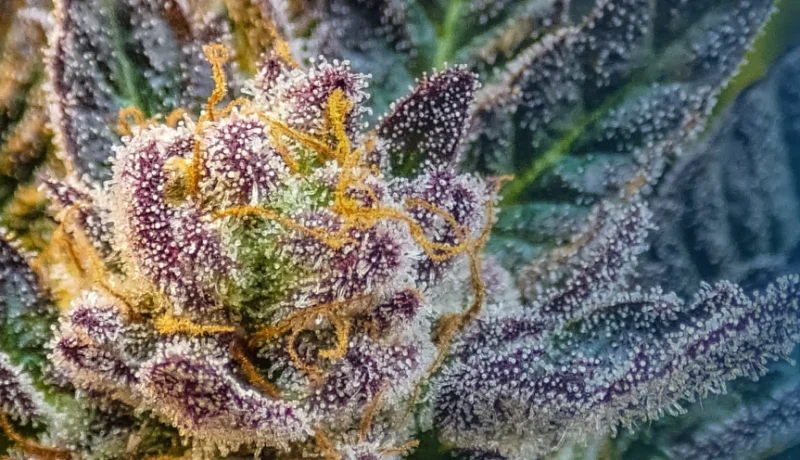
Even when a THC percentage is accurate, it still can't tell you exactly how a product will feel. Cannabis contains dozens of cannabinoids and aromatic compounds called terpenes that may influence the experience. Two strains with nearly identical THC percentages can produce noticeably different effects.
That's where many people get tripped up. A flower testing at 30% THC looks impressive on paper, but a lower-THC product may end up being a better fit depending on the person and the situation. After all, most people aren't trying to buy a THC percentage. They're trying to buy an experience.
Yet THC remains one of the easiest things to compare, which helps explain why it has become the number consumers fixate on. The result is a cannabis market where a single number often gets more attention than everything else listed on the label.
Limited Selection and the Push Toward Higher THC

It's not hard to see why THC percentages have become such a powerful selling point.
Higher-potency products attract attention, and dispensaries stock plenty of them. Data from cannabis analytics company Headset shows that consumers often gravitate toward higher-THC flower, even paying a premium for it. As a result, products with higher THC percentages can become some of the most sought-after items on dispensary shelves.
Cannabis contains far more than THC, but many cultivators spend years trying to push THC levels higher because that's what many shoppers are looking for. Over time, dispensary shelves can become crowded with products that promise more potency, while products with lower THC levels or more balanced cannabinoid profiles become harder to find.
Researchers have observed this trend as well. One study examining cannabis products across multiple states found that the overwhelming majority of products with CBD information fell into high-THC categories, while products with more balanced THC-to-CBD ratios made up only a small share of the market.1
Here's where things get interesting: Many studies reporting potential therapeutic benefits used products containing less than 10% THC, yet dispensary shelves were dominated by products exceeding 15% THC.¹
Walk through enough dispensaries and the menus can start to blur together. Different strain names, different packaging, but the same race to break the next THC milestone.
That's the risk of a cannabis market driven primarily by potency. The menu may be bigger than ever, but in some dispensaries, the range of experiences has narrowed.
Staff Training and Knowledge

For many consumers, the budtender is the closest thing cannabis has to a sommelier, pharmacist, and tour guide rolled into one.
That's a lot to ask from someone working behind a counter.
Some budtenders are incredibly knowledgeable. They can explain terpene profiles, cannabinoid ratios, cultivation methods, and product differences with the ease of someone discussing their favorite sports team. Others may have only been on the job for a few weeks.
The challenge is that there is no universal standard for cannabis education. Training requirements vary by state, company, and dispensary. In an industry with frequent product launches and high employee turnover, even experienced budtenders may struggle to keep up with everything hitting the shelves.
Inventory can also change quickly. A recommendation that made perfect sense last month may not even be available today. New products arrive, old favorites disappear, and consumers are often left trying to navigate an increasingly crowded marketplace.
This can create a frustrating experience, especially for consumers looking for something specific. One budtender might recommend a high-THC strain. Another might steer someone toward a terpene-rich product with a lower THC percentage. Neither recommendation is necessarily wrong, but they can lead to very different experiences.
That inconsistency matters because many consumers rely heavily on dispensary staff when making purchasing decisions. When product knowledge varies from one dispensary, or one employee, to the next, finding the right product can start to feel more like throwing darts at a menu
What Consumers Can Do
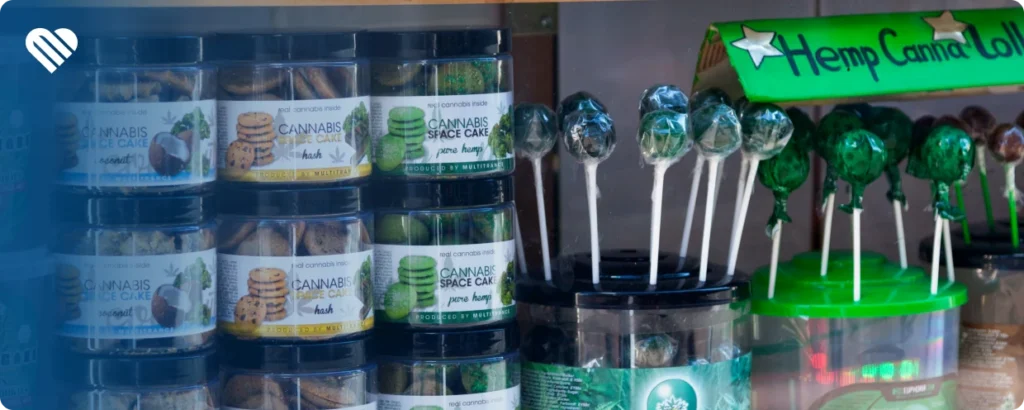
Recreational dispensaries may push consumers toward higher THC percentages, but that doesn't mean you have to shop that way.
- Look beyond THC percentages: A product's THC content can be useful information, but it shouldn't be the only thing driving your decision. If cannabis experiences were as simple as THC percentages, every strain testing at 30% would feel exactly the same.
- Pay attention to the products you come back to: Most people remember a strain because it made a camping trip more fun, turned a stressful evening around, or became their go-to for a lazy Sunday, not because it tested at 27.4% THC.
- Read the whole label: Cannabinoids, terpene information, and product descriptions can provide a more complete picture than THC alone.
- Take recommendations with a grain of salt: Budtenders can be a valuable resource, but no one can predict exactly how a product will affect you. No recommendation is a substitute for your own experience.
- Consider a medical cannabis card if your state offers one: Depending on local laws, medical programs may offer lower taxes, higher purchase limits, or access to products that aren't available through recreational channels.
The more people experiment with cannabis, the more they realize there isn't a universal best product. The strain your friend swears by might not do much for you, while the overlooked product in the corner ends up becoming a favorite.
That's why the best cannabis purchase isn't necessarily the strongest one on the shelf. It's the one that delivers the experience you were looking for in the first place.
References
- Pennypacker SD, Cunnane K, Cash MC, Romero-Sandoval EA. Potency and Therapeutic THC and CBD Ratios: U.S. Cannabis Markets Overshoot. Frontiers in Pharmacology. 2022;13:921493. doi:https://doi.org/10.3389/fphar.2022.921493 ↩︎
The information in this article and any included images or charts are for educational purposes only. This information is neither a substitute for, nor does it replace, professional legal advice or medical advice, diagnosis, or treatment. If you have any concerns or questions about laws, regulations, or your health, you should always consult with an attorney, physician or other licensed professional.