
Key Takeaways About Medical Card Benefits
- Even in recreational states, a medical cannabis card can be beneficial.
- Medical cannabis cardholders typically pay less, have higher purchase limits, and sometimes access products that adult-use shoppers can’t.
- Perks like workplace protections and home grow can be significant, but vary widely.
If recreational cannabis is legal where you live, you might be thinking, “Why would I bother getting a medical card? I can already buy what I want.” Fair question.
Here’s the thing: even in states with an adult-use cannabis program, medical programs often come with practical advantages.
State rules vary, but the key benefits are generally the same across many jurisdictions. Let’s start with what’s most common.

Savings May Cover the Cost of the Card
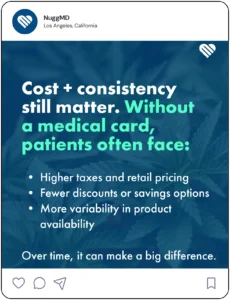
In many recreational states, medical purchases are taxed differently from adult-use purchases. Sometimes the rate is lower, or certain retail or excise taxes don’t apply. Either way, a smaller tax bite can add up quickly if cannabis is a regular part of your routine.
Some dispensaries also offer patients dispensary deals, though these aren’t guaranteed and vary by location. You might see first-visit specials, certain-day discounts, or price breaks on specific products. Separate programs (like hardship or veteran discounts) may offer additional savings in some locations.
Quick Break-Even Math
A medical card can start saving you money, sometimes even as soon as you start to use it, usually through lower taxes and sometimes through dispensary deals. To estimate when your card may “pay for itself”, use a simple formula:
Break-even months = (total card cost) ÷ (monthly savings)
Example: if your card costs about $120 total and you save about $15 a month, you break even in roughly 8 months. Save $25 a month, and it’s closer to 5 months.
Where this applies: Examples include Oregon, Washington, New Jersey, and Michigan, where medical purchases are often taxed differently from adult-use. Details vary by state.
Higher Purchase Limits, Fewer Trips to Stock Up

Medical cannabis programs often offer higher purchase and possession limits, or both.
This can mean fewer trips to the dispensary and less stress about limiting your purchases. In some places, dispensaries also prioritize medical patients during busy periods or supply shortages, which can translate to faster service and more reliable inventory.
Where this applies: Examples include California, Arizona, Maryland, and Vermont, where patients may have higher purchase or possession limits and sometimes priority access.
More Options for Potency with Fewer Restrictions
Regulations vary by state, but it’s pretty common: adult-use rules sometimes include potency caps, package limits, or product restrictions that don’t apply the same way to medical patients. Some dispensaries also stock higher-potency or more therapeutic formats more consistently for medical shoppers.
If you’ve ever felt like you’re compromising, medical access can make it easier to find products that match your preferred format, dose range, and consistency from purchase to purchase.
Where this applies: Examples include Nevada, Vermont, and Washington, where medical and adult-use product rules can differ (including potency or package limits).
Protection Rights to Consider
Some recreational states provide additional protections to medical patients in employment, housing, school policies, and family law matters. Where these protections exist, they can be significant.
But they aren’t universal, and a medical card doesn’t automatically override workplace drug policies. If protections are a major reason you’re considering a card, double-check your state’s language and consider professional guidance if your situation is sensitive.
Some states also recognize out-of-state medical cards, but the rules vary, and protections don’t necessarily travel with you.
Where this applies: Examples include New York, Arizona, California, and Missouri, where some medical programs include added legal protections. These protections vary widely and don’t override every workplace policy.
Home Grow and Medical-Only Perks
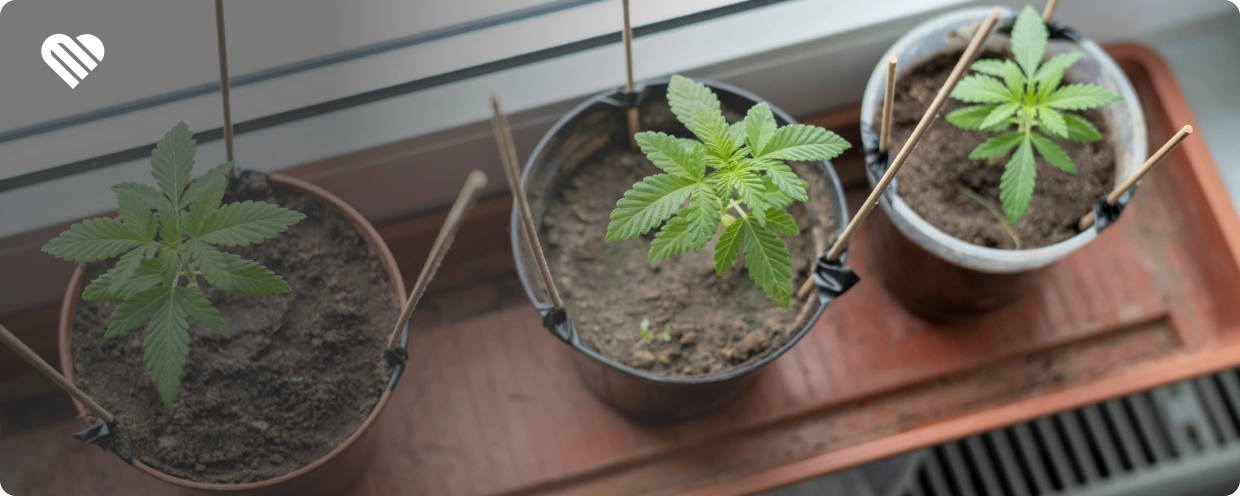
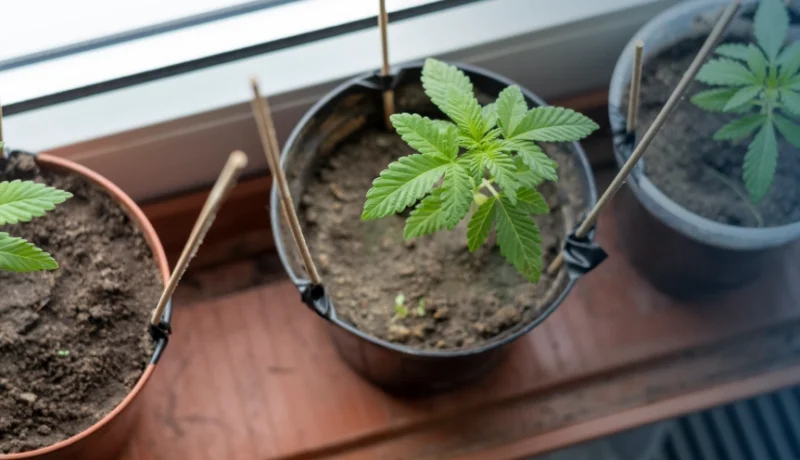
Depending on your state, home cultivation may be allowed for everyone, limited to medical patients, or available to medical patients with higher limits.
If you’re budget-conscious and you use cannabis regularly, home grow can become one of the biggest long-term cost-control options. It does take upfront costs and a learning curve, but over time, the savings can be meaningful.
Where this applies: Examples include Washington, Oregon, Maryland, and Arizona, where home-grow rules or plant limits can be more favorable to medical patients.
What Most People Can Expect in a Recreational State
In many recreational states, the most common medical card benefits are lower costs, higher limits, and easier access. That trio is why people keep their cards even when adult-use is available. Everything else, like added protections or home grow, can be a valuable bonus if your state includes it.
Want the specifics for where you live? Check your state’s medical cannabis rules here and look for tax treatment, purchase limits, product rules, and any patient protections.
To see how these benefits work in your state, visit our state-by-state medical card guides and select your location.
The information in this article and any included images or charts are for educational purposes only. This information is neither a substitute for, nor does it replace, professional legal advice or medical advice, diagnosis, or treatment. If you have any concerns or questions about laws, regulations, or your health, you should always consult with an attorney, physician or other licensed professional.