
Key Takeaways About How Cannabis Has Changed
- Dispensaries have made purchasing cannabis a much more enjoyable and safer experience.
- The potency of flower has increased, but there is also a wide variety of new products, like edibles, vapes, and extracts.
- Cannabis tech has made major advances, with options like improved glassware, vape cartridges, and even dry herb vapes for flower.
The plant has changed. The marketplace has evolved. Today’s cannabis is stronger, more precisely labeled, sold in regulated stores, and available in forms that did not exist decades ago. Even the culture around cannabis has shifted.
This is good news, especially for older adults who are considering using cannabis medically or for recreation. Cannabis is safer, more accessible, and customizable to your lifestyle and needs.
If your last toke was years or even decades ago, and you’re curious about what’s new, let’s get caught up.
The Dispensary
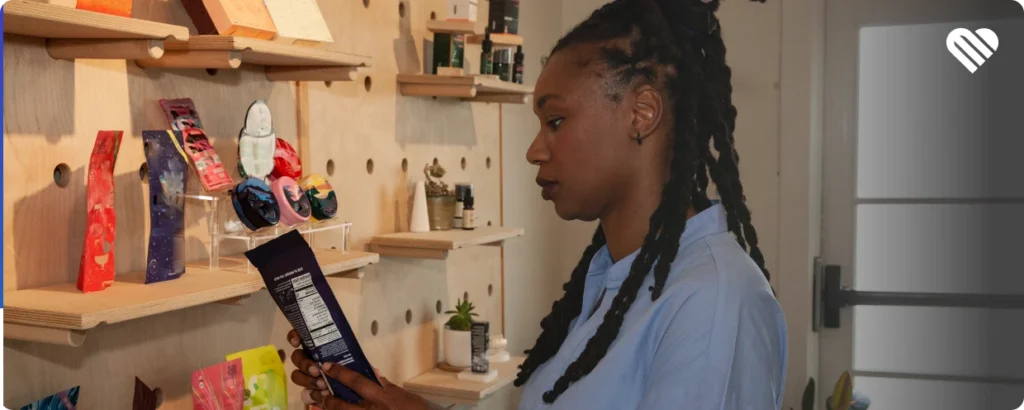
If your last experience involved meeting someone in a parking lot or buying from a friend of a friend, walking into a modern dispensary can feel surreal. A friend of mine once described it as Dorothy in The Wizard of Oz going from a black-and-white world to Technicolor.
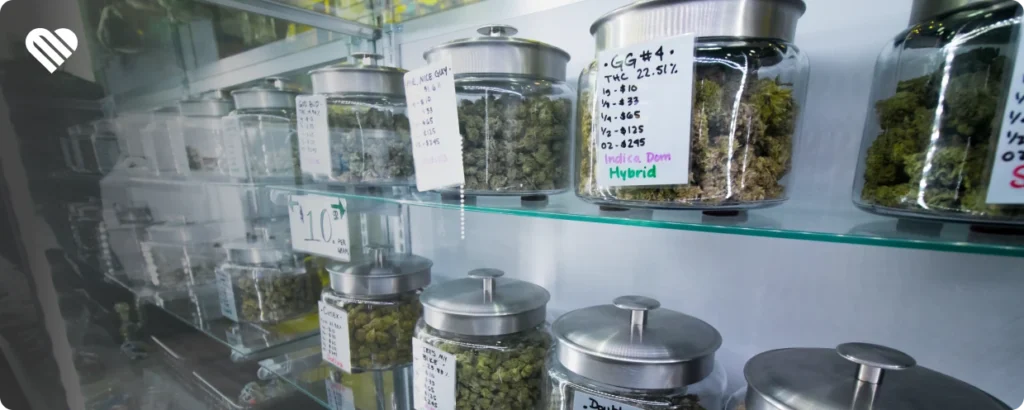
You show your ID. You enter a clean, well-lit retail space. Products sit behind glass displays. Knowledgeable staff members are available to answer questions. Everything is packaged, labeled, and tracked.
Remember a dime bag? Or the price of an ounce of weed? Yes, well, the price has risen significantly since the ‘80s. The upside is the quality, safety, and variety of today’s cannabis products.
You may be amazed by the variety of products made from a simple plant. And the transparency is a big part of that change.
Reading the Labels
Think of it like reading a nutrition label at the grocery store, where you might look at serving size, calories, or specific ingredients, such as sodium or sugar.
Cannabis packaging labels include detailed information to help you understand how much to use and what to expect.
You’ll see:
- THC percentage: THC is the primary intoxicating compound in cannabis, but the number on the label doesn’t tell the whole story. While higher THC levels may feel more intense for some people, your experience also depends on factors like terpene profile, product type, dose, and your individual tolerance. THC percentage is just one piece of the equation, not a guarantee of how the product will feel.
- CBD percentage: CBD is a non-intoxicating cannabinoid. Some adults report that it feels calming or helps soften certain effects of THC, though experiences vary. Products that contain both THC and CBD may offer a different overall experience than THC-dominant options, depending on the ratio and the individual.1
- Milligrams per serving: This is especially important for edibles. It tells you exactly how much THC is in one piece, like one gummy. If a package says 10 milligrams per serving, that means each gummy (if it specifies that one gummy is one serving) contains 10 milligrams. For many older adults, 2.5 milligrams or less might be a better starting point.
- Batch numbers: These identify the specific production run of the product. If there’s ever a recall or quality question, the batch number helps track it. It’s part of modern quality control.
- Lab testing information: Legal cannabis is tested for potency and for contaminants such as mold, pesticides, and heavy metals. Although we survived untested weed, this is a big safety improvement.
For every trip to a dispensary, your budtender (the person behind the counter) is a powerful resource. They may suggest products that can help you achieve your goals, like sleep, relaxation, or discomfort relief.
Once you’ve found a strain or product you like, you can refer to the label to find the formulation you enjoyed. This level of predictability is something we couldn’t have imagined.
Potency and Cultivation
When many of us first encountered cannabis in the 1960s or 70s, THC levels were often around 1 to 3 percent. It was either brought into the US illegally or grown stealthily outdoors (or in a dorm room closet). It wasn’t scientifically cultivated for maximum potency. It was simply what was available.
By the 1990s, indoor growing and horticulture science bloomed. Growers could control light, temperature, and humidity. Plants were selectively bred for higher THC. Potency climbed into the 5 percent range, and eventually exploded to today’s 18 to 30 percent in many flower products.
If you are returning after decades away, even one puff of today’s weed may be stronger than you think.
Plan on recalibrating your intake. Take a single puff, or a fraction of an edible, and pause. It isn’t just that your tolerance is likely lower at 60 years old than it was at 25 (it is), but high potency products hit hard.
An upside to high-potency products is that you’ll need much less product to feel good.
Cannabis Products: It’s Not Just Flower
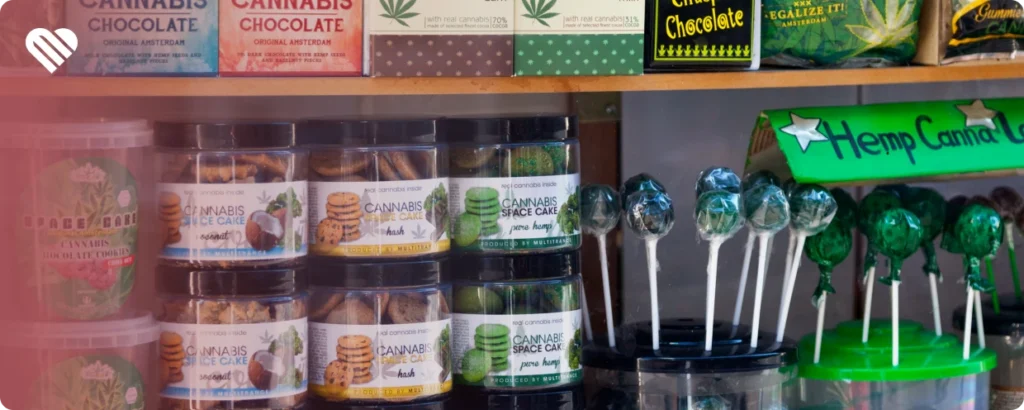
Who remembers sifting through your stash, pulling out seeds and stems before rolling anything? Today, commercial cannabis is trimmed, tested, and packaged as clean flower buds. You’re unlikely to find a seed.
Lots of older adults shy away from smoking cannabis due to lung effects. But smoking also isn’t the only option anymore.
Flower
Sold by pre-rolled joint/cone or as weighed flower, it can be smoked or vaporized. Inhaled effects usually begin within minutes. Puff and pause. Give each inhale plenty of time to act before you smoke more.
Flower effects last 1 to 3 hours.
Be prepared to be amazed: there are more than 700 recognized strains of cannabis. Old favorites like Acapulco Gold, Maui Wowie, Panama Red? Yes, they’re still around!
Vaping
There are two types of vaping:
- Flower,
- Cannabis oil.
Dry vaping heats the flower to a vapor state for inhalation. This is an emerging favorite for those who like the idea of smoking weed. Friends tout the full flavor of the weed, but recognize dry vaping may be less irritating to their lungs.
Vape pens and cartridges are portable and easy to use, as they heat concentrated cannabis oil to vapor. Be aware: THC levels are much higher in vape pens than regular flower, so go slowly.
Similar to smoking, both dry and pen vaping effects kick in within minutes and can last for several hours.
Gummies and Other Edibles
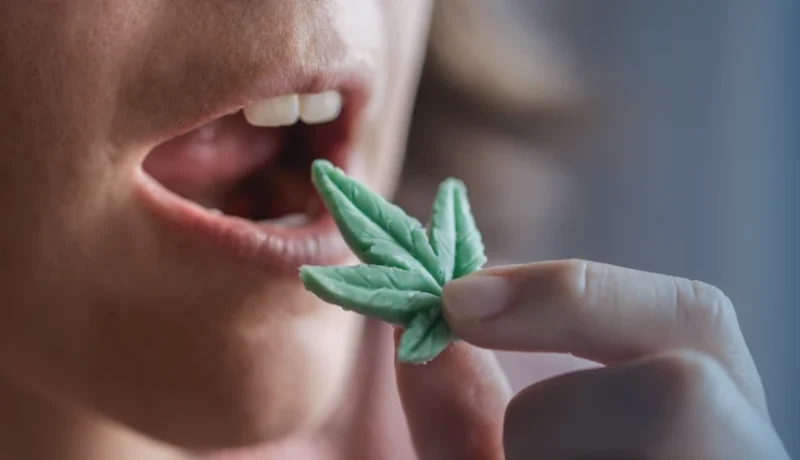
A hands-down favorite among older adults, gummies are convenient to dose, long-lasting, and tasty. Other edible products include beverages, baked goods, and a variety of candies and snacks.
Important: Edibles take time. The high can take up to two hours to fully develop. Always start with a very small dose, 2.5 mg or less. Many gummies contain 5 or 10 milligrams of THC per piece, which can be too much for beginners. Read the label carefully, and speak to a medical cannabis doctor or cannabis pharmacist if you have questions about finding the right dosage.
Don’t assume that because you don’t feel anything after an hour, you should take more. A low dose plus patience prevents unpleasant surprises.
Tinctures
Dispensed by dropper, the liquid is placed under the tongue and held for 30-45 seconds before swallowing. Taken sublingually, you’ll feel the effects within 15 to 45 minutes, which can last for 2 to 4 hours.
Or add tinctures to beverages or other foods. In this case, they act like edibles, with a slower onset and a longer duration.
Tinctures are fast-acting, portable, and a very precise method of dosing. Although there are flavored varieties, some enjoy the herbal cannabis taste. Many find oil-based tinctures smoother than alcohol-based ones.
Topicals
If you have occasional muscle or joint pain (and who doesn’t?), topicals are a must for your medicine cabinet. Users report relief from minor arthritis and neuropathy pain from its anti-inflammatory effect. Available in creams, oils, or balms, the combination of THC and CBD works just where you apply it.
Topicals can be used as needed, with no restrictions or worries about impairment. Relief usually begins within an hour and lasts for 3-4 hours.
Concentrates
Concentrates include wax, shatter, and oil, and are highly potent (80%-90% THC). Older adult use can be tricky given the high potency, although some patients report preferring them over other pain management options.
Effects peak within 15-30 minutes and can last 1-3 hours. Lingering effects may last for up to 4 hours or longer.
Tech Talk
Back in the day, we used papers to roll a joint, or a pipe—more dedicated smokers invested in a bong. No equipment? No problem. We MacGyvered a pipe out of household items, like apples or beverage cans (we don’t recommend that one nowadays). Low tech, sure, but we were creative.
When you enter a dispensary today, you might feel like you accidentally stepped into an electronics store.
The good news is you don’t need to invest in new tech if you are just getting started again.
If you are smoking cannabis, papers and pipes are still around. Pre-formed cones eliminate the need to roll; you just fill and twist. If you don’t want to roll anything, pre-rolls are filled and ready to smoke.
If bongs or water pipes were more your thing, you can purchase them too. Upgrades like gravity bongs use air pressure to push smoke into the lungs.
Dry vaporizers use flower, both in hand-held and tabletop versions. Some tabletop systems offer a forced-air system to fill a sealable, detachable balloon with vapor. You can inhale at your own pace, or pass it around a group.
Although you are inhaling, the lower carbon monoxide levels and by-products produced by whole flower vapor may be less irritating than smoke.2
Vape pens and cartridges heat cannabis oil into vapor. They are portable, discreet, and easy to use. Laboratories test vape products for heavy metals and other contaminants, but researchers are still studying their long-term effects on lung health.3
Vape pens contain a concentrated oil with a higher THC content, usually 70-90%. For newbies, these devices pack a punch. The onset is quick, and if you are used to puffing on a nicotine vape pen, it’s easy to mix them up. Again, start slow, and expect to feel results within minutes.
Hash was the original cannabis concentrate. Today, concentrates like wax, shatter, or oil use a dab rig, a specialized water pipe. Traditional dab rigs use a blowtorch to heat the extract. Newer electronic rigs skip the open flame and control the temperature for you. The entire process became more engineered.
Technology expanded options, but it didn’t eliminate the basics. You can always go old school and smoke flower, use edibles or tinctures, or rub on a topical.
Culture Shift
A lot has changed since we were young. Hippies grew up. Marijuana reclaimed its scientific name, cannabis. As of Apr 2026, it is legal for medical use, and many states allow recreational use.
And let’s face it, we’ve changed too.
We’re talking with our doctors about cannabis. Friends are comparing notes about sleep gummies instead of swapping recipes. For many older adults, the dispensary has simply become another stop on the weekly errand run.
You haven’t missed the wave. You are simply re-entering a marketplace that matured while you were busy living your life.
Good news is, today’s cannabis is safer, easier to dose and adaptable to the way you’re living today.
References
- Henson JD, Vitetta L, Hall S. Tetrahydrocannabinol and cannabidiol medicines for chronic pain and mental health conditions. Inflammopharmacology. 2022;30(4):1167-1178. doi:https://doi.org/10.1007/s10787-022-01020-z ↩︎
- Chaiton M, Kundu A, Rueda S, Di Ciano P. Are vaporizers a lower-risk alternative to smoking cannabis? Canadian Journal of Public Health. 2021;113(2). doi:https://doi.org/10.17269/s41997-021-00565-w ↩︎
- MacCallum CA, Lo LA, Pistawka CA, Christiansen A, Boivin M. Cannabis vaporisation: Understanding products, devices and risks. Drug and Alcohol Review. 2023;43(3). doi:https://doi.org/10.1111/dar.13800 ↩︎
The information in this article and any included images or charts are for educational purposes only. This information is neither a substitute for, nor does it replace, professional legal advice or medical advice, diagnosis, or treatment. If you have any concerns or questions about laws, regulations, or your health, you should always consult with an attorney, physician or other licensed professional.