In This Article
- What’s Your Cannabis Plan?
- Regulating On the Fly
- Smoking: Stop Before the Session Stops
- Vaping: The Easy Button Can Become the Problem
- Edibles: Timing is Everything
- Past Experience and Future Outcomes
- Regulating While You Are Already High
- Tolerance Is a Message
- Using Cannabis Alone
- Using Cannabis With Other People
- Alcohol Makes Moderation Harder
- References
Key Takeaways About Moderating Your Cannabis Use
- Consider how you want to feel before you start a session, then use the smallest amount needed to reach that goal.
- Edibles are easiest to overdo; smoking and vaping are easier to adjust, but still easy to repeat out of habit.
- When it takes more cannabis for the same effect, consider a tolerance break, lower-THC products, or fewer habitual sessions.
Most people don’t plan to get uncomfortably high. It usually happens in small, ordinary ways: one more hit, the rest of the gummy, the vape pen that stays in your hand while the TV is on. In a group, it may be the joint that keeps coming around after you were already good.
There are two parts to moderating your cannabis use. The first is using the least amount of cannabis needed to achieve your desired effects, whether that's relaxation, sleep, or another goal. The second part is monitoring the amount you use to get that relief and keep tolerance, habit, and the need for stronger products from becoming the default.

What’s Your Cannabis Plan?
The easiest way to moderate cannabis use is to decide what you want from the experience before you start. Whether you're looking to unwind, socialize, or get ready for bed, having a goal can make it easier to avoid using more cannabis than you need.
Cannabis for sleep is a different choice from cannabis before dinner with friends. If you need to perform tasks or stay involved in the conversation, dose matters more than potency.
Cannabis is easier to manage when you pay attention to what you are using, how you are using it, and how your body responds.1
For a comfortable cannabis experience, the better question is not “What is the strongest product?” It’s “What is the lowest dose in a product I actually like that gets me where I want to be?” The goal is an experience you can build gradually, not one that leaves you spending the rest of the night trying to get comfortable.
Regulating On the Fly
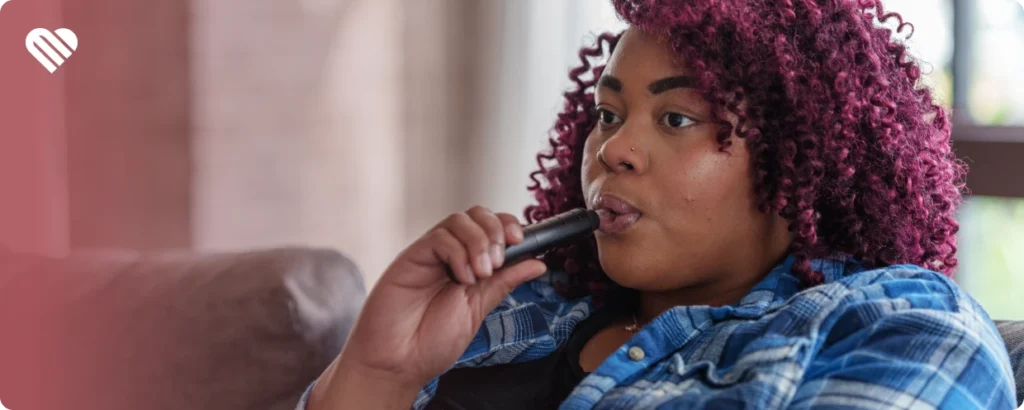
Cannabis can be surprisingly easy to consume on autopilot. The joint comes back around. The vape is close by. The edible is taking forever to kick in, so another piece can seem logical.
Take a pause to check in with your body; this simple reflection helps ensure your high remains comfortable rather than overwhelming.
Smoking and vaping give you feedback faster, so small adjustments work better. Edibles are different. The first dose may not have fully taken effect by the time you start thinking about the next one.
Here are some ways to slow your roll before it becomes too much.
Smoking: Stop Before the Session Stops
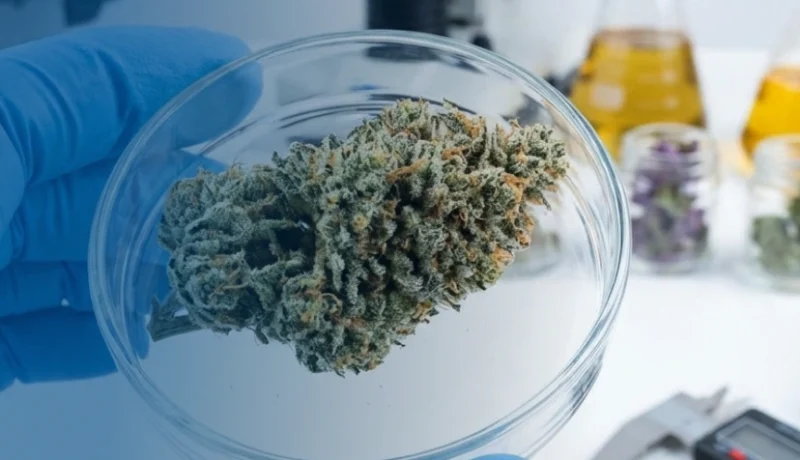
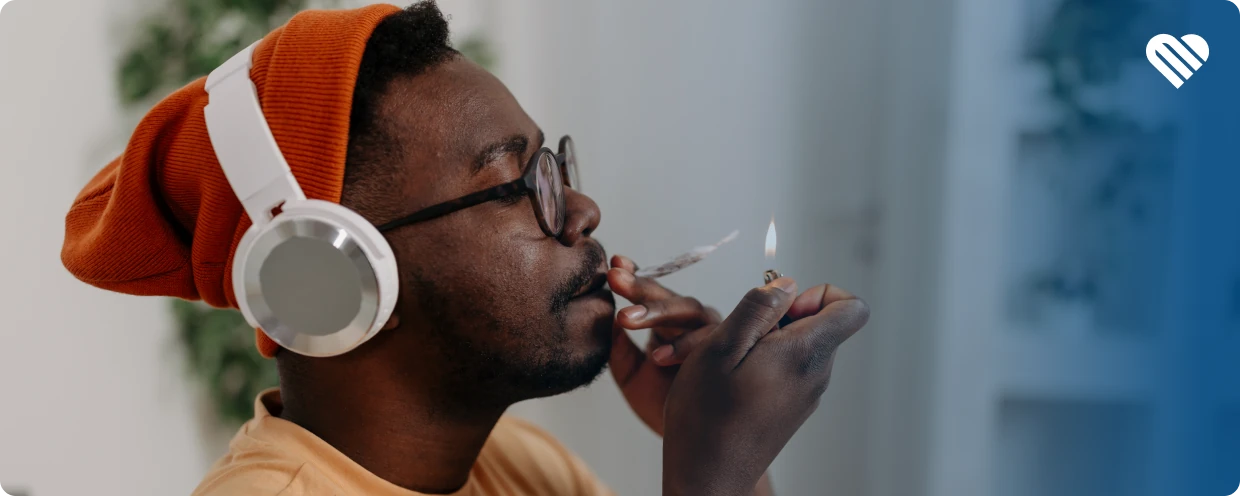
Smoking cannabis gives you fairly quick feedback. You usually feel at least some effect within minutes, making it easier to adjust than with an edible.
If you are smoking, take a small amount and wait. Ten minutes is a useful pause. You may not need as much as you think, especially with higher-THC flower.
These are some strategies to keep your high manageable:
- Pack less flower than usual.
- Use a smaller pipe or one-hitter.
- Choose lower-THC flower for a lighter effect.
- Skip the pass-around rotation with a simple “I’m good.”
Finally, remember that holding smoke in doesn’t get you higher (but it can make the smoke feel harsher).
Vaping: The Easy Button Can Become the Problem
Vapes are convenient. Where smoking requires grinding, packing, and lighting (and dealing with the smell), a vape is ready to go instantly. The ease of use can be a problem.
Take a puff, then put the pen down. Take a small pull, then put it somewhere you have to stand up to reach. This tiny break can keep the next hit from happening on autopilot.
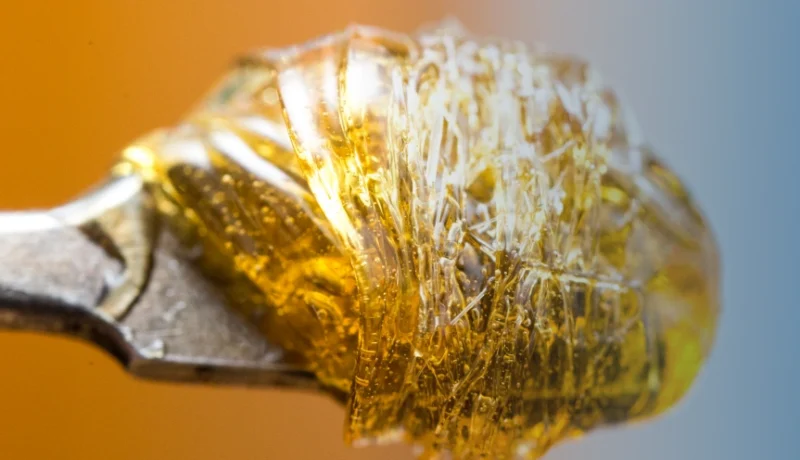
High-potency vape cartridges are often much more concentrated than flower, and it's easy to underestimate the hit because they don’t feel as harsh.
If vaping keeps getting you too high, slow down and make each hit more deliberate. If changing those habits doesn’t help, choose something lower in THC or more balanced with CBD.
Edibles: Timing is Everything
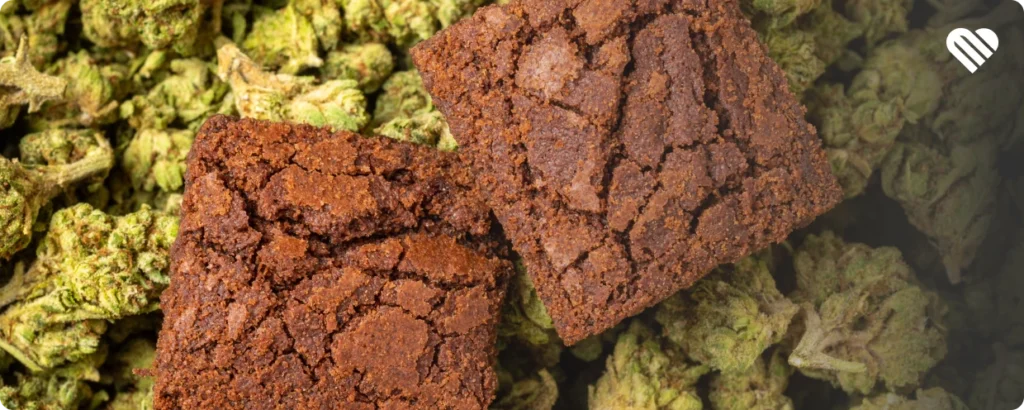
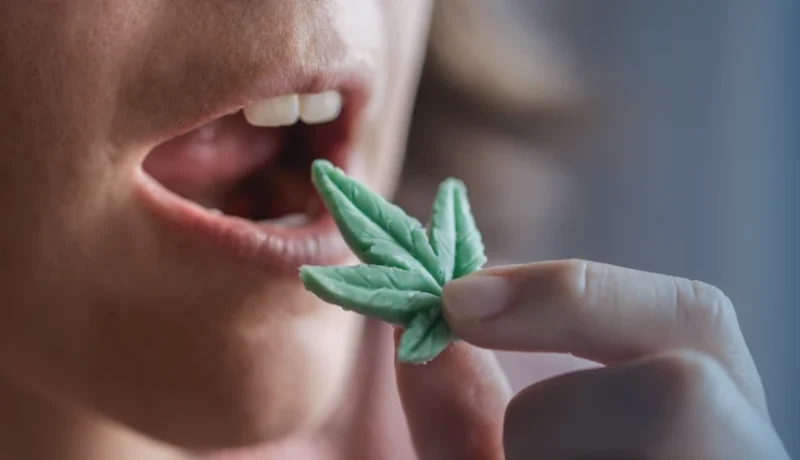
Edible timing can be a challenge. Your body may still be processing the edible while your brain decides nothing is happening. Taking more during that window is how a manageable edible turns into a much longer night than planned.
Edibles move through digestion and metabolism before the full effect shows up. For one person, that might mean 30 minutes, for another, two hours or more. Food, metabolism, product type, and individual sensitivity all matter.
Many cannabis consumers choose very low-dose THC products when trying edibles for the first time. You can’t reverse an edible once it’s in your system. Common edible mistakes include:
- Thinking the first dose failed
- Eating more, because the product tastes good
- Not noting that one package contains several servings
- Homemade edibles with no real idea of how much THC is in them
- Taking edibles with alcohol and losing track of the plan
A common rule of thumb is to start low and wait before considering more. If you do not know how strong something is, treat it as stronger than expected.
Past Experience and Future Outcomes
Don’t change too many things at once.
Use the same product a few times. Try it in a familiar setting. Start with a low amount. Notice what happens. If it is not enough, increase a little next time. If it feels too intense, try less next time instead of assuming the product isn't a good fit.
Remember that poor sleep, stress, alcohol, food, hormones, and mood can all change the experience.
Regulating While You Are Already High
With inhaled cannabis, you can make decisions as you go. With edibles, most of the decision-making happens before the edible kicks in.
If you are smoking or vaping, check in before adding more. Are you where you want to be? Then stop.
If you are not quite there, wait a little longer before taking another small amount. Cannabis effects can keep building after you stop actively using it.
If you are already too high, the answer is not more cannabis.
Stop using. Move somewhere quiet. Drink water. Eat something. Distract yourself with a familiar, calming video. Remind yourself that the feeling is temporary, even if it is unpleasant.
Some consumers report that CBD, peppercorns, or a shower help them feel more comfortable. However, evidence supporting these approaches is limited, and time is usually the biggest factor.
And remember that THC affects attention, coordination, and reaction time. Even with attempts to lessen the effects, you need time after THC use before any safety-sensitive activity.¹
Do not drive. Do not make important decisions. Do not add alcohol.
Tolerance Is a Message

Tolerance can creep up on you. The dose that used to work barely registers, so you might use more or buy stronger products. But before you level up, you may want to take a T-break.
A tolerance break is a reset. If you are looking to clear out THC from your system, you may need a pause for 30 days or more. But a few days off, cannabis-free weekdays, no daytime use, or switching away from high-potency vapes and concentrates can reduce your tolerance. Some people switch to lower-THC products or microdosing.
Being mindful about your cannabis use and taking occasional breaks can keep your tolerance lower.
Using Cannabis Alone
A solo cannabis session can be calm, private, and intentional. But when you are alone, you may not realize how high you are until you have to interact with someone. Feeling fine on the couch is different from answering a text, talking to a neighbor, or keeping up with a conversation.
Set out what you plan to use. Put the rest away. Move your vape pen out of reach. Give the session a purpose, even a loose one: dinner, a movie, stretching, music, sleep.
It can also help to check in with yourself about why you're using cannabis in that moment. Rest, enjoyment, pain relief, and sleep are one thing. Reaching for cannabis every time boredom, loneliness, anger, or stress shows up is another pattern.
Using Cannabis With Other People
Other people’s tolerance shouldn’t set your dosing choices. Everyone experiences cannabis in their own way. What feels mild to a daily cannabis user may be excessive for someone who uses occasionally, prefers low-dose products, or has not used cannabis in a while.
Respect your own limits. Set boundaries before you start. One edible and no smoking. Two hits and done. No concentrates tonight. Whatever the line is, decide it while your judgment is still clear.
Be cautious about shared edibles or homemade treats. If no one knows the milligrams, you don’t really know the dose. Start smaller than usual or skip it.
Alcohol Makes Moderation Harder
Alcohol lowers inhibition, which makes it easier to use more cannabis than planned. It can also make impairment harder to judge.
If your goal is cannabis moderation, the safer move is to skip the alcohol. Research suggests that cannabis may raise the level of alcohol in the blood.2 Cannabis and alcohol can affect each other in unpredictable ways, making impairment harder to judge and increasing the risk of unpleasant side effects. Used with edibles and high-THC products, a weed-alcohol combo can quickly escalate to an uncomfortable level.
Alcohol can make it harder to judge how impaired you are and easier to use more cannabis than you intended. If your plan is moderation, alcohol can make a second dose seem more reasonable than it is. Deciding when you’ve had enough can be a moving target when you mix alcohol and cannabis.
Still, the basic idea is simple: decide what you want cannabis to do, use the smallest amount likely to do it, and stop once you get there.
- The strongest product is not always the best one.
- The second dose is not always necessary.
- The group does not get to decide your limit.
A good cannabis experience shouldn’t leave you thinking, "I wish I had stopped sooner."
References
- MacCallum CA, Lo LA, Boivin M. “Is medical cannabis safe for my patients?” A practical review of cannabis safety considerations. European Journal of Internal Medicine. 2021;89:10-18. doi:https://doi.org/10.1016/j.ejim.2021.05.002 ↩︎
- Lukas SE, Benedikt R, Mendelson JH, Kouri E, Sholar M, Amass L. Marihuana attenuates the rise in plasma ethanol levels in human subjects. Neuropsychopharmacology : official publication of the American College of Neuropsychopharmacology. 1992;7(1):77-81. https://pubmed.ncbi.nlm.nih.gov/1326277/ ↩︎
The information in this article and any included images or charts are for educational purposes only. This information is neither a substitute for, nor does it replace, professional legal advice or medical advice, diagnosis, or treatment. If you have any concerns or questions about laws, regulations, or your health, you should always consult with an attorney, physician or other licensed professional.