

Key Takeaways About Why Doctors Avoid Talking About Cannabis
- Many doctors weren’t trained on medical cannabis, and most medical schools don’t teach anything about it.
- Hospitals and institutions have policies restricting doctors from discussing cannabis because of federal law, but this may change soon.
- Without professional guidance, patients are often left to fill in gaps with their own research, which can lead to misunderstandings.
Millions of people now use cannabis legally for medical reasons, yet many of the clinicians who manage the rest of their care still aren’t prepared to talk about it. Patients end up navigating their cannabis use on their own, without the kind of support they expect from the rest of their health care.
The result is a strange disconnect.
Patients may feel more comfortable talking about cannabis with friends, family, or even coworkers, but the exam room is a different story. Many still walk into a doctor’s appointment unsure whether it’s safe to bring up cannabis at all.
That hesitation isn’t coming out of nowhere. Even in states with long‑standing medical programs, many physicians remain cautious or completely silent on the subject. Some are unsure what they’re allowed to say. Others don’t feel they have the training to give meaningful guidance. And some simply haven’t updated their views since long before legalization took hold.
And in a country where millions of people now use cannabis legally for medical reasons, that silence says a lot about how far the medical system still has to go.

Most Doctors Aren’t Trained to Talk About Cannabis
One of the clearest reasons physicians hesitate to talk about cannabis is that most were never trained to do it. Medical schools in the United States still offer very little formal education on cannabis, cannabinoids, or the endocannabinoid system. A national survey published in 2017 found that only 9% of medical schools taught anything about medical cannabis, and just 15% of medical students felt prepared to counsel patients about it.1
Even as more states legalize cannabis, medical education has been slow to catch up. The endocannabinoid system is still not a standard part of most physiology courses. Clinical training rarely includes discussions about dosing, product types, or potential interactions with common medications. And because cannabis remains federally illegal, there is no unified curriculum or national guidance pushing schools to update their programs.
This gap shows up in everyday practice. Physicians may support legalization or believe cannabis has therapeutic potential, but many still feel they lack the foundational knowledge to give patients meaningful guidance. Without clear standards or training, they often default to caution or avoid the topic altogether. For patients, that silence can feel like a barrier, especially when they are trying to make informed decisions about their health.
Liability and Institutional Concerns Still Shape What Doctors Can Say

Even when physicians are open to discussing cannabis, many feel constrained by the systems around them. Hospitals, clinics, and large health networks often have internal policies that limit what clinicians can say because cannabis remains illegal at the federal level. Those policies vary from one institution to another, but the underlying message tends to be the same: be cautious, avoid anything that could be interpreted as a recommendation, and document only what is necessary.
That caution is reinforced by the legal landscape. While medical cannabis is now Schedule III, adult-use is still classified as a Schedule I substance under federal law. That disjointed classification and questions about what rescheduling medical cannabis means in practice continues to influence everything from malpractice insurance to hospital compliance rules.
Some clinicians worry that offering guidance could be seen as stepping outside accepted medical practice. Others are concerned that documenting cannabis use in a patient’s chart could complicate insurance claims or raise questions during audits.
These pressures create a chilling effect. Physicians may support legalization or believe cannabis has therapeutic value, but they still have to navigate institutional rules that were written long before state‑level reforms. Without clear federal protections or standardized guidelines, many decide it is safer to avoid the topic entirely.
For patients, the silence can be confusing. They may assume their doctor is uninterested or disapproving when, in reality, the clinician is trying to avoid a policy conflict. Either way, the outcome is the same. Patients leave without the information they were hoping to get, showing the noticeable gap between legalization and medical practice.
Stigma Inside the Medical Profession
Even as cannabis becomes more accepted among patients, stigma still lingers within the medical profession. Many clinicians were trained during a time when cannabis was framed almost entirely as a recreational drug or a public health concern rather than a therapeutic option. Those early impressions can stay with physicians, especially for those who completed their training long before state legalization took hold.
That stigma shows up in subtle ways. Some clinicians see cannabis as something outside the boundaries of conventional medicine because it does not fit neatly into the FDA‑approved, dose‑standardized model they rely on. Others still associate it with outdated ideas about misuse or addiction, even as research continues to expand. In fields like psychiatry or addiction medicine, where clinicians are trained to be especially cautious with substances that have any potential for misuse, those concerns can be even stronger.
Generational differences also play a role. Younger physicians tend to be more open to discussing cannabis, but many senior clinicians shape the culture inside hospitals and training programs. When the attitudes of those senior physicians reflect the views that dominated earlier in their careers, it can reinforce an environment where cannabis is treated as a topic best avoided.
For patients, stigma can be just as limiting as a lack of training or restrictive institutional policies. A dismissive comment or a visible hesitation can shut down the conversation before it begins. When patients sense judgment, they are far less likely to share how they are actually using cannabis, even when that information could help their doctor provide safer and more informed care.
The Consequences for Patients

When doctors avoid cannabis conversations, patients are left to fill in the gaps on their own. Many turn to friends, online forums, or dispensary staff for guidance because they do not feel they can get straightforward answers in a medical setting. Some find good information, but many end up relying on trial and error, which can lead to inconsistent results or unnecessary side effects.
The lack of clinical input also means missed opportunities to talk about safety. Cannabis can interact with common medications, and certain products may not be appropriate for people with specific health conditions. Without a doctor’s perspective, patients may not realize when a dose is too high, when a product is poorly suited to their needs, or when a symptom deserves medical attention rather than self‑treatment.
This silence can also widen existing disparities. Patients who have the time, resources, or confidence to research cannabis on their own often fare better than those who do not. Others may avoid cannabis entirely, even when it could help, simply because they do not feel comfortable raising the topic with their doctor. In both cases, the absence of open communication limits the quality of care patients receive.
For many, cannabis is already part of their health routine. When clinicians are unable or unwilling to talk about it, patients lose access to the kind of informed, collaborative guidance they expect in every other part of their care.
What Needs to Change
Improving cannabis conversations in health care will require changes at several levels. Medical education is the most obvious starting point. Schools and residency programs need to teach the basics of the endocannabinoid system, the therapeutic potential of cannabinoids, and the practical considerations patients face when they use cannabis. Without that foundation, clinicians will continue to feel unprepared, even as more patients turn to cannabis for relief.
Clearer federal guidance would also make a difference. As long as cannabis remains in legal limbo, health systems will continue to write conservative policies that discourage open discussion. Rescheduling could help reduce some of that uncertainty, but institutions will still need to update their rules so clinicians can talk about cannabis without worrying about compliance or liability.
Cultural change inside the profession matters as well. Stigma will not disappear overnight, but it can fade as more clinicians see cannabis as a legitimate topic of medical care. That shift becomes easier when senior physicians model open, evidence‑based conversations and when hospitals treat cannabis the same way they treat any other substance that affects health.
Patients have a role too. When people feel comfortable raising the topic, it signals to clinicians that cannabis is already part of their health decisions. Those conversations can help doctors understand what patients are using, why they are using it, and how it fits into their broader care.
The goal is not to turn every clinician into a cannabis expert. It is simply to make cannabis a routine part of the health history, something doctors can discuss with the same clarity and professionalism they bring to any other treatment. When that happens, patients will finally get the guidance they have been missing.
Closing the Gap Between Patients and Providers
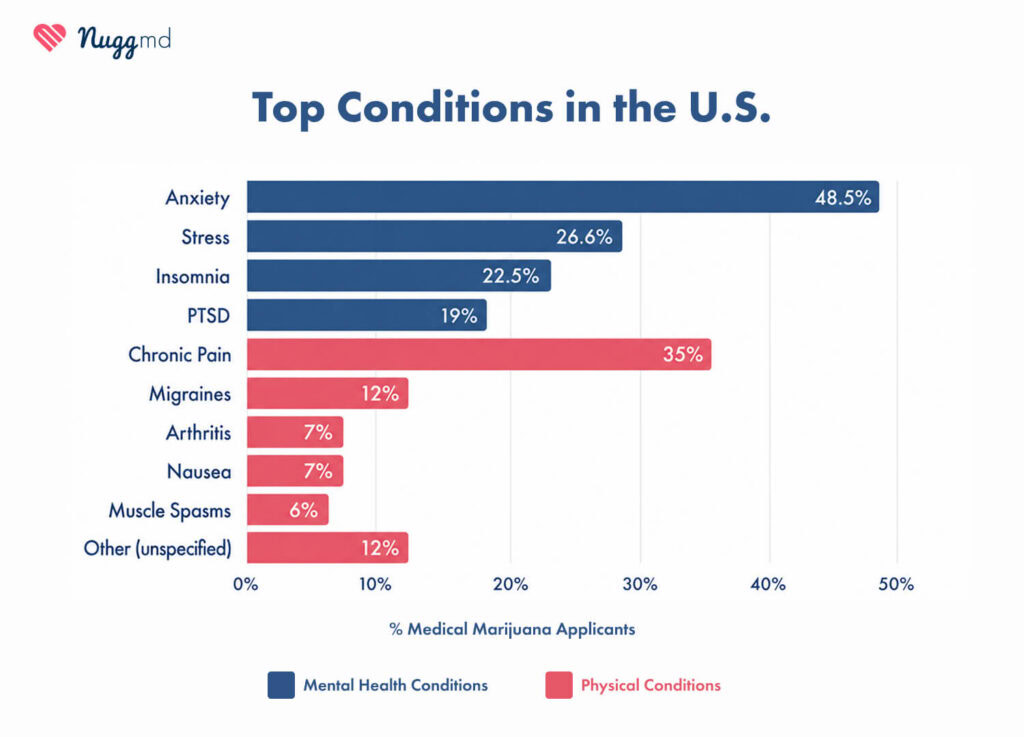
Cannabis is already part of many patients’ lives, yet the medical system has not fully caught up. People use it for pain, sleep, anxiety, and other conditions, but many still feel unsure about raising the topic with their doctor. That silence limits how safely and effectively they can use it.
Improving these conversations does not have to require sweeping reforms. It starts with better training, clearer guidance, and a clinical culture that treats cannabis as a routine part of health care. When clinicians feel prepared, and patients feel comfortable, cannabis becomes easier to discuss and easier to integrate into responsible treatment.
References
- Evanoff, A., Quan, T., Dufault, C., Awad, M. M., & Bierut, L. J. (2017). Physicians-in-training are not prepared to prescribe medical marijuana. Drug and Alcohol Dependence, 180, 151–155. https://doi.org/10.1016/J.DRUGALCDEP.2017.08.010 ↩︎
The information in this article and any included images or charts are for educational purposes only. This information is neither a substitute for, nor does it replace, professional legal advice or medical advice, diagnosis, or treatment. If you have any concerns or questions about laws, regulations, or your health, you should always consult with an attorney, physician or other licensed professional.