
In This Article
- What You Need to Know About Pain
- Causes and Risk Factors for Pain
- How is Pain Typically Treated?
- Cannabis for Pain: According to the Latest Research
- What About CBD for Pain?
- Are Any Terpenes More Helpful for Pain?
- Limonene
- Myrcene
- Beta-caryophyllene
- Linalool
- Humulene
- Eucalyptol
- Finding the Right Terpenes
- Best Strains for Pain According to Patients
- Critical Mass
- Girl Scout Cookies (GSC)
- Harlequin
- White Widow
- Blue Dream
- Can You Get a Medical Card for Pain?
- References
Key Takeaways About Using Cannabis for Pain
- Pain is a complex issue that’s usually treated by multiple means, including prescription medications which carry a risk for dependency.
- While research is limited, many patients report an improvement in their chronic pain symptoms with medical cannabis.
- Some patients prefer balanced strains with high CBD content, like Harlequin and Critical Mass, while others opt for THC forward ones like Blue Dream and Girl Scout Cookies.
Pain is a… well, pain. Everyone experiences pain from time-to-time; that's natural, but chronic and severe pain can disrupt life and make doing even the most basic things unbearable. And, it's an all-too-common problem. In 2024, the CDC published a report indicating that over 24% of American adults experienced chronic pain in 2023, a staggering 50+ million people.
With the prevalence of chronic pain, it shouldn't come as a surprise that there are more people seeing relief from medical cannabis than ever. In the same year as the CDC report, NuggMD conducted a survey of its patients, only to discover that almost 40% chose a medical card to help manage pain.
But, does using cannabis for pain really work? Current research illuminates the issue for a bit of clarity.

What You Need to Know About Pain
Pain is less of a condition by itself and more of a possible symptom of numerous conditions. Generally, pain falls into two categories: acute and chronic. Acute pain is what you experience when you stub your toe or get a paper cut. It's temporary and related to an injury or illness.
Chronic pain lasts. It can still be related to an injury or illness, but it persists long-term. The conditions behind chronic pain tend to, themselves, be ongoing, like fibromyalgia, cancer, or nerve damage. Chronic pain is the more nefarious of the two, since it's often difficult to manage and usually arises from an underlying problem that's much harder to treat and isn't likely to just heal on its own.
Causes and Risk Factors for Pain
Pain is a natural response to something harming the body; there's nothing wrong with it. However, excessive and chronic pain can disrupt life and rob the enjoyment from even your favorite things.
Common causes of serious and chronic pain include:
- Back pain, including sciatica.
- Neuropathy (nerve pain).
- Arthritis.
- Cancer.
- Migraines and other headaches.
- Neck pain.
- Fibromyalgia.
- Musculoskeletal pain, including tendonitis.
- Issues with internal organs.
- Inflammation and inflammatory diseases.
Anyone can experience chronic pain, especially if it's caused by an injury, but there are a few prominent risk factors to be aware of, including:
- Injury.
- Age.
- Genetic predisposition.
- Obesity.
- Smoking tobacco.
- Repeated strenuous activity (physical jobs and athletics).
- Severe prolonged stress.
How is Pain Typically Treated?
Pain can be difficult to treat, and what works for one person may not be as effective for another. Many pain medications also have potentially serious side effects to be mindful of before beginning any treatment regimen. Common treatments for pain include:
At-home treatments:
- Over-the-counter pain relievers, like acetaminophen (Tylenol), ibuprofen (Advil), and aspirin.
- Exercise.
- Good sleep habits.
- Reducing stress, like breathwork exercises and guided imagery.
- Herbal remedies, like turmeric, boswellia, and cloves
- Acupuncture.
- Chiropractic medicine.
- Massage therapy.
- Yoga.
- COX-2 inhibitors.
- Antidepressants.
- Seizure medications.
- Opioids.
Many patients managing chronic pain rely on a combination of treatments to keep their pain in-check. What the combination looks like is a highly-individual decision that should be made with the guidance of a healthcare provider.
The information in this website, including but not limited to images, graphics, text and other materials, is included for informational purposes only. None of the material on this site is intended to substitute for professional medical advice. Always seek advice from your qualified physician or healthcare provider if you have questions before starting any new healthcare regimen, and never disregard professional medical advice based on anything you read on this website or any other website.
This information, including images, is not medical advice. Consult a physician before starting or stopping medications or herbs, including cannabis. Information not evaluated by FDA and not intended to diagnose, treat, cure, or prevent disease.
Cannabis for Pain: According to the Latest Research
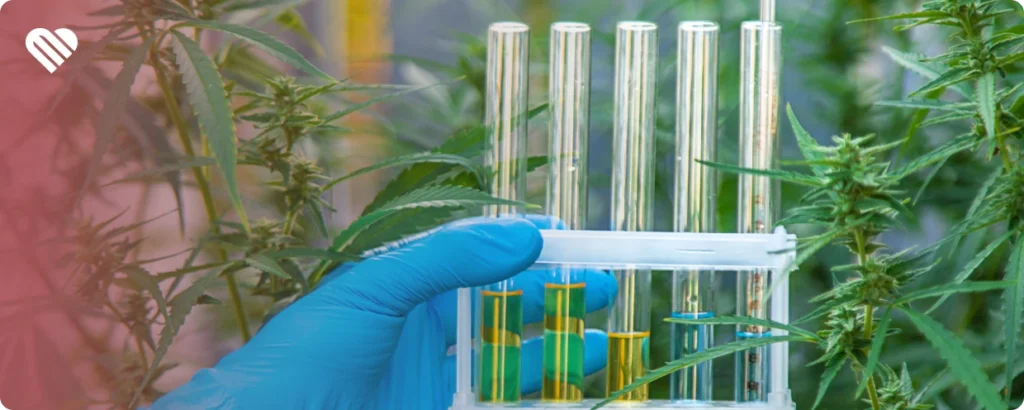
Research on cannabis and pain is ongoing and far from conclusive, but there is mounting evidence that it may have an effect.
Reports in recent years help support earlier studies and the ongoing wave of anecdotal feedback from legal and unlicensed medical consumers. In a 2015 clinical review researchers noted that cannabis use helped multiple sclerosis (MS) patients manage spasticity and chronic and neuropathic pain.1 2015 also saw a study of roughly 17,000 cancer patients, reporting that 70% experienced improved pain levels and overall well-being when using cannabis.2
The following year provided summarized understandings regarding cannabis and addiction research. A 2016 research paper published several intriguing results, including:
- Cannabis use resulted in lower opioid use in patients with chronic pain by 64%.
- Patients with chronic pain reported increased quality of life with cannabis.
- Cannabis use was associated with fewer side effects and additional medications used.3
The year also saw continued analysis covering cannabis for pain relating to migraines. Researchers noted that no lab studies had been undertaken. Still, cannabinoids did appear to beneficially impact serotonin in the central nervous system, indicating that cannabis could serve as a possible alternative migraine treatment—with some patients seeing a reduction in occurrences when consuming.4
2017 saw continued momentum for proponents of cannabis for chronic pain treatment and opioid use reduction. That year, a report of nearly 2900 medical cannabis patients found that:
- 841 people (30%) had reported using opioid-based medicine in the past six months. 61% of that group had also used cannabis.
- 81% of respondents agreed or strongly agreed that cannabis was more effective on its own than when combined with opiates.
- Possibly most telling, 97% agreed or strongly agreed that they could decrease their opioid use when using cannabis.5
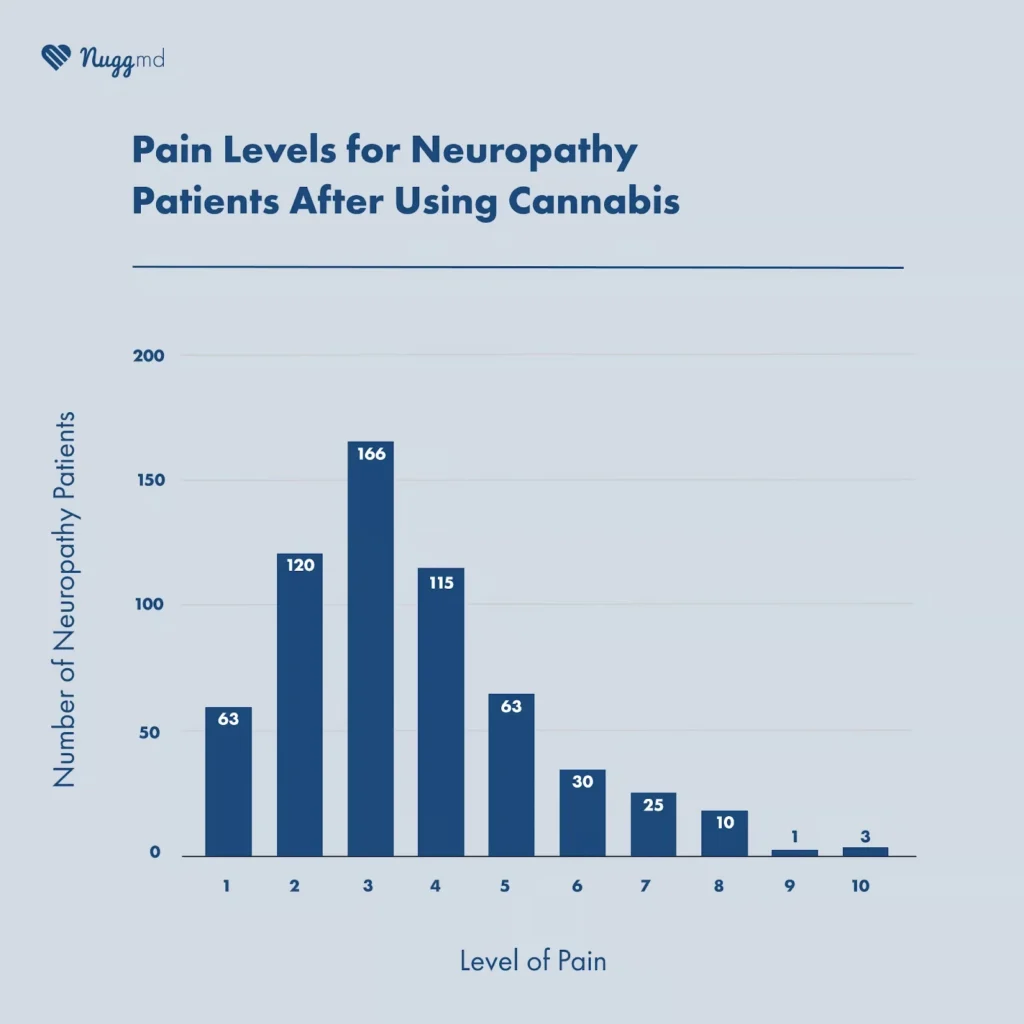
In 2024, NuggMD conducted a study of patients dealing with neuropathic pain. Patients who responded to the study noted a significant drop in pain. Prior to medical cannabis, the majority of patients reported a 6 or higher on a 10 point scale. Following medical cannabis use, the majority were at a 3 or below.
The years since have seen a stream of research coming in, helping us understand cannabis and pain management slightly more. However, additional research is required, especially regarding the use of different cannabis strains for pain, as well as dosages and methods of delivery.
What About CBD for Pain?
CBD by itself may have an impact on pain, even without the addition of THC. Clinical studies suggest that CBD may help with psychotic disorders, anxiety, epilepsy, sleep, cardiovascular diseases, and diabetes, as well as chronic pain.6 Since CBD is legal on the federal level, this is great news for sufferers who might not have access to medical or recreational dispensaries.
Scientists are honing in on how CBD helps with pain. So far, they have identified two pathways CBD uses to influence pain signals.
CBD activates the CB2 receptors, potentially exhibiting anti-inflammatory effects that dull the function of mast cells and neutrophils, both of which are involved in pain processing. At the receptor end, including in the brain and spinal cord, CBD targets receptor GPR2, possibly slowing the pain signals it receives. The interaction of CBD at the serotonin receptors may also play a role in mediating pain.6
One study accepted candidates based on their specific health background: they had chronic pain and had been on an opioid regime for at least one year. The introduction of CBD to these patients resulted in nearly half of the subjects reducing their need for opiates. And 94% of patients cited improvement in quality of life.6
Are Any Terpenes More Helpful for Pain?
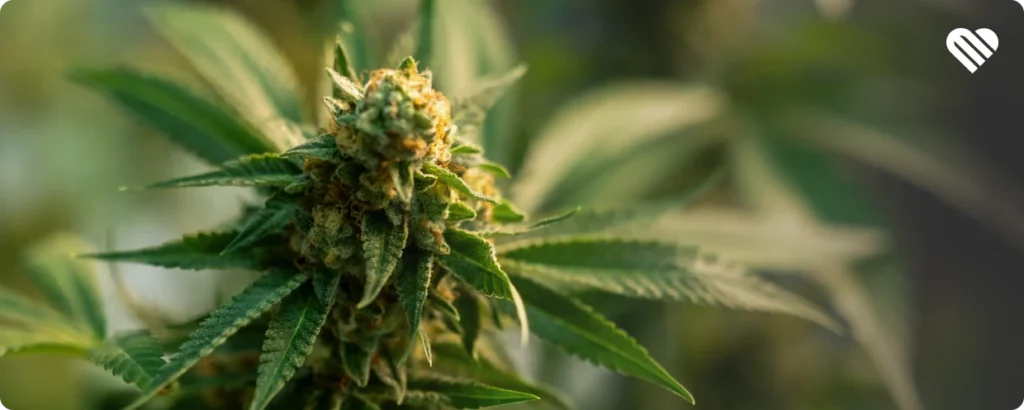
The body sends pain signals to the brain for many reasons, including nerve or tissue damage, inflammation, or as a response to fear, depression, or anxiety. Cannabis terpenes have been studied for their potential in providing pain relief.
Everyone responds differently to pain, and certain terpenes can help alleviate pain based on patient feedback and results from scientific studies. Although there are hundreds of terpenes in the cannabis plant, there are specific terpenes that are most effective for pain management.
Limonene
Limonene is a citrus-scented terpene found in various cannabis strains and citrus fruits. Research shows that limonene is potentially a natural analgesic, meaning our bodies respond to the scent by potentially lowering pain levels.
Studies using citrus essential oils, rich in limonene, have demonstrated their effectiveness in promoting pain relief. This terpene may help alleviate pain and reduce symptoms, like redness or swelling, making it beneficial as a terpene for inflammation relief.7
Myrcene
Myrcene is one of the most common terpenes in cannabis. It promotes sedation and relaxation, along with its analgesic effects. Research has shown that myrcene can regulate TRPV1, a receptor involved in pain perception, effectively lowering pain response.8
Beta-caryophyllene
Beta-caryophyllene is a unique terpene that directly interacts with the endocannabinoid system, specifically the CB2 receptors, which modulate pain and inflammation. Beta-caryophyllene is an effective anti-inflammatory and analgesic terpene, making it highly beneficial for pain relief.9 Its dual action on inflammation and pain makes it a popular choice among patients.
Linalool
Linalool, found in lavender and some cannabis strains, is known for its calming and anti-anxiety effects. Studies have shown that linalool also has analgesic properties, effectively managing pain.7
Humulene
Humulene is another terpene noted for its anti-inflammatory and analgesic effects. Like many terpenes, it performs several roles, including as an appetite suppressant, antibacterial, and antitumor agent. It may also be ideal for pain management, making humulene a versatile terpene for treating various pain-related conditions.9
Eucalyptol
Eucalyptol, also known as 1,8-cineole, is found in eucalyptus, rosemary, and some cannabis strains. This terpene exhibits a wide range of therapeutic properties, including anti-inflammatory, antioxidant, antimicrobial, bronchodilatory, and analgesic effects. Recent evidence indicates its potential role in managing neuropathic pain, highlighting its versatility and effectiveness in pain relief.
Positive clinical trials with eucalyptol for various conditions, including respiratory disorders, gastrointestinal illnesses, heart disease, depression, and diabetes, show the range of this powerful terpene.10
Finding the Right Terpenes
As with many of cannabis’ medical uses, individual experiences often need to be tailored to the patient’s tolerance and pain levels.
While individual terpenes like limonene, myrcene, beta-caryophyllene, linalool, humulene, and eucalyptol have shown promise in pain relief, combining these terpenes may yield the best results. By understanding their individual and synergistic effects, patients can better tailor their cannabis use for effective pain management.
The information in this website, including but not limited to images, graphics, text and other materials, is included for informational purposes only. None of the material on this site is intended to substitute for professional medical advice. Always seek advice from your qualified physician or healthcare provider if you have questions before starting any new healthcare regimen, and never disregard professional medical advice based on anything you read on this website or any other website.
This information, including images, is not medical advice. Consult a physician before starting or stopping medications or herbs, including cannabis. Information not evaluated by FDA and not intended to diagnose, treat, cure, or prevent disease.
Best Strains for Pain According to Patients
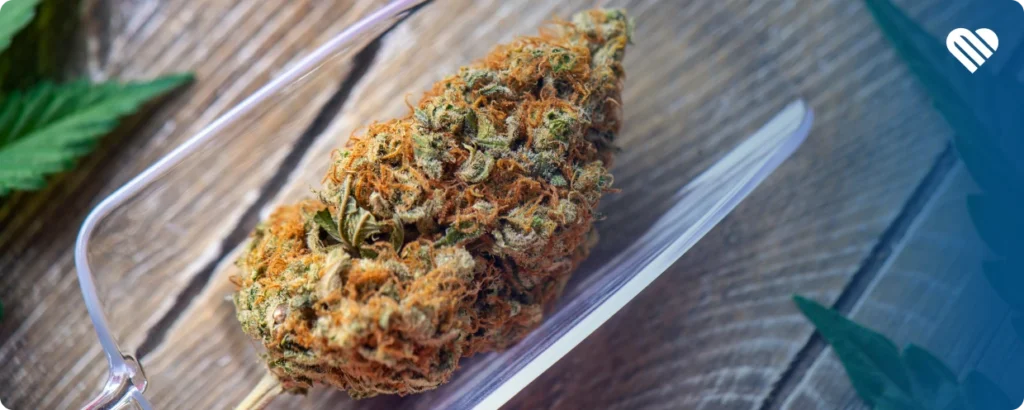
For effective pain relief, patients often choose certain cannabis strains known for their pain-relieving properties, rich terpene profiles, and balanced cannabinoids. Here are the top 5 strains for pain relief based on patient reviews and scientific research:
Critical Mass
Critical Mass is a high-CBD cultivar known by consumers for its soothing and relaxing effects. With a terpene profile featuring myrcene and β-caryophyllene, patients report relief and relaxation. Its balanced THC:CBD ratio makes it ideal for achieving the desired effects with minimal intoxication.
Girl Scout Cookies (GSC)
Girl Scout Cookies, or GSC, is a cultivar renowned by consumers for its euphoric and uplifting effects. Due to a terpene profile featuring limonene and caryophyllene, GSC may offer a balanced blend of relief and mood elevation.
Patients highly regard GSC for its balanced effects. The potential synergy between its terpenes and cannabinoids may offer a well-rounded experience, making it a favorite among those seeking relief from chronic pain conditions.
Harlequin
Harlequin is a unique cultivar known for its high CBD content and low THC levels. With a terpene profile featuring myrcene and pinene, Harlequin may deliver gentle relief and a clear-headed experience. Its balanced cannabinoid profile is reported to make it suitable for daytime use without causing sedation or impairment.
Patients appreciate Harlequin for its potential ability to provide their desired effects without the extremely intoxicating effects commonly associated with high-THC strains. The presence of CBD and terpenes, like myrcene and pinene, may offer a synergistic effect, while maintaining mental clarity. Remember that there is THC in this strain, so intoxication may still occur in individuals sensitive to THC.
White Widow
White Widow is a classic cultivar renowned for its potent and uplifting effects. It features caryophyllene and myrcene terpenes, which have been studied for pain relief and mood support. Its moderate to high THC content may provide long-lasting relief.
Patients often report that the combination of cannabinoids and terpenes offered by White Widow provides a sense of ease and helps them navigate the day with less discomfort.
Blue Dream
Blue Dream is a popular cultivar known for its balanced effects and pleasant aroma. Its terpene profile features myrcene and pinene, which may offer gentle relief and mental relaxation. Its moderate THC content may deliver the desired effects, without overwhelming intoxication.
Patients praise Blue Dream for its versatility. Patients report that the synergistic interaction between THC and terpenes, like myrcene and pinene, promote a sense of calmness and well-being.
Can You Get a Medical Card for Pain?
At the time of this article, pain, in some form, is included in the qualifying conditions for every state that has legalized medical cannabis. That's not a guarantee, though, because the specific guidelines vary by state, and there can be different requirements, like the type, duration, and previous treatments, that the pain needs to meet.
It's best to speak to a qualified medical cannabis doctor in your state to get a clear picture of how your condition fits within your state's guidelines and whether or not medical cannabis is a good fit for your personal treatment plan.
References
- Hill KP. Medical Marijuana for Treatment of Chronic Pain and Other Medical and Psychiatric Problems. JAMA. 2015;313(24):2474. doi:https://doi.org/10.1001/jama.2015.6199 ↩︎
- Waissengrin B, Urban D, Leshem Y, Garty M, Wolf I. Patterns of Use of Medical Cannabis Among Israeli Cancer Patients: A Single Institution Experience. Journal of Pain and Symptom Management. 2015;49(2):223-230. doi:https://doi.org/10.1016/j.jpainsymman.2014.05.018 ↩︎
- Boehnke KF, Litinas E, Clauw DJ. Medical Cannabis Use Is Associated with Decreased Opiate Medication Use in a Retrospective Cross-Sectional Survey of Patients with Chronic Pain. The Journal of Pain. 2016;17(6):739-744. doi:https://doi.org/10.1016/j.jpain.2016.03.002 ↩︎
- Rhyne DN, Anderson SL, Gedde M, Borgelt LM. Effects of Medical Marijuana on Migraine Headache Frequency in an Adult Population. Pharmacotherapy. 2016;36(5):505-510. doi:https://doi.org/10.1002/phar.1673 ↩︎
- Reiman A, Welty M, Solomon P. Cannabis as a Substitute for Opioid-Based Pain Medication: Patient Self-Report. Cannabis and Cannabinoid Research. 2017;2(1):160-166. doi:https://doi.org/10.1089/can.2017.0012 ↩︎
- Peng J, Fan M, An C, Ni F, Huang W, Luo J. A narrative review of molecular mechanism and therapeutic effect of cannabidiol (CBD). Basic & Clinical Pharmacology & Toxicology. 2022;130(4):439-456. doi:https://doi.org/10.1111/bcpt.13710 ↩︎
- Liktor-Busa E, Keresztes A, LaVigne J, Streicher JM, Largent-Milnes TM. Analgesic Potential of Terpenes Derived from Cannabis sativa. Pharmacological Reviews. 2021;73(4):98-126. doi:https://doi.org/10.1124/pharmrev.120.000046 ↩︎
- Jansen C, Shimoda LMN, Kawakami JK, et al. Myrcene and terpene regulation of TRPV1. Channels. 2019;13(1):344-366. doi:https://doi.org/10.1080/19336950.2019.1654347 ↩︎
- Hanuš LO, Hod Y. Terpenes/Terpenoids in Cannabis: Are They Important? Medical Cannabis and Cannabinoids. 2020;3(1):25-60. doi:https://doi.org/10.1159/000509733 ↩︎
- Hoch CC, Petry J, Griesbaum L, et al. 1,8-cineole (eucalyptol): A versatile phytochemical with therapeutic applications across multiple diseases. Biomedicine & Pharmacotherapy. 2023;167:115467. doi:https://doi.org/10.1016/j.biopha.2023.115467 ↩︎
The information in this article and any included images or charts are for educational purposes only. This information is neither a substitute for, nor does it replace, professional legal advice or medical advice, diagnosis, or treatment. If you have any concerns or questions about laws, regulations, or your health, you should always consult with an attorney, physician or other licensed professional.