In This Article
- What Are Edibles?
- Edibles Side Effects
- Overconsumption
- Onset of Effects Takes Time
- Possible Drug Interactions
- When Are Edibles Bad?
- Can You Die From Edibles?
- How To Consume Edibles Safely
- Start Low and Go Slow
- Be Aware of the Different Effects of Edibles and Smoking
- Understand the Laws and Regulations Surrounding Edibles
- Dosage and Labeling
- Store Edibles Securely
- Have a Support System
- References
Key Takeaways About Edibles and Health
- Edibles are extremely popular, but their high THC concentrations can lead to overconsumption.
- Cannabis can interact with some medications, so check with your doctor to avoid these.
- It’s best to start with a low dose, take it slow, and wait at least 1-2 hours for the edibles to kick in.
Sales figures from analytics firms like Headset reveal that consumers love edibles.
But are edibles bad for you?
The good news is that edibles won't kill you, but eating more than you need could lead to short-term unpleasant outcomes we'd all rather avoid.
Understanding the nature and effects of edibles is the best way to consume responsibly.
What Are Edibles?
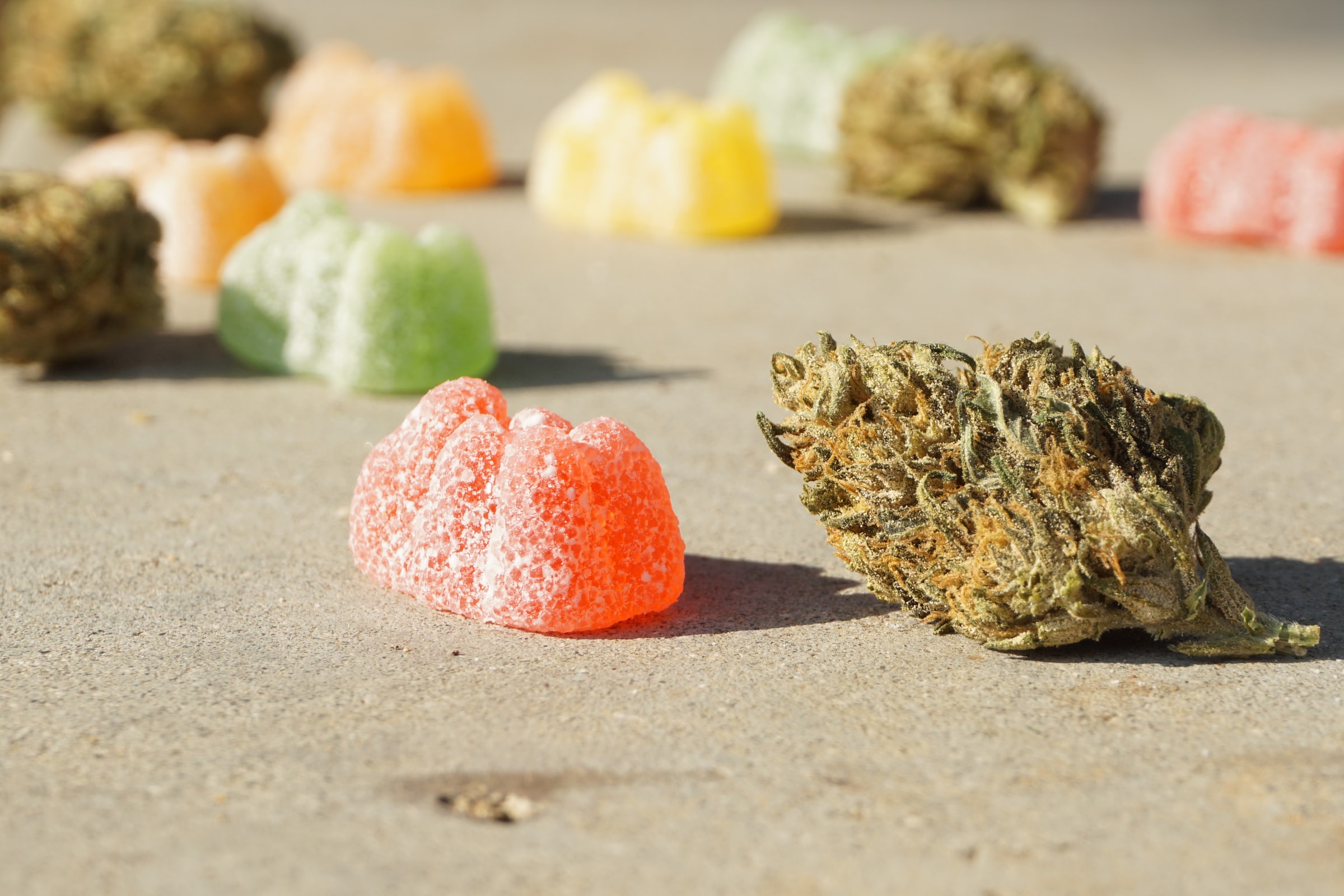
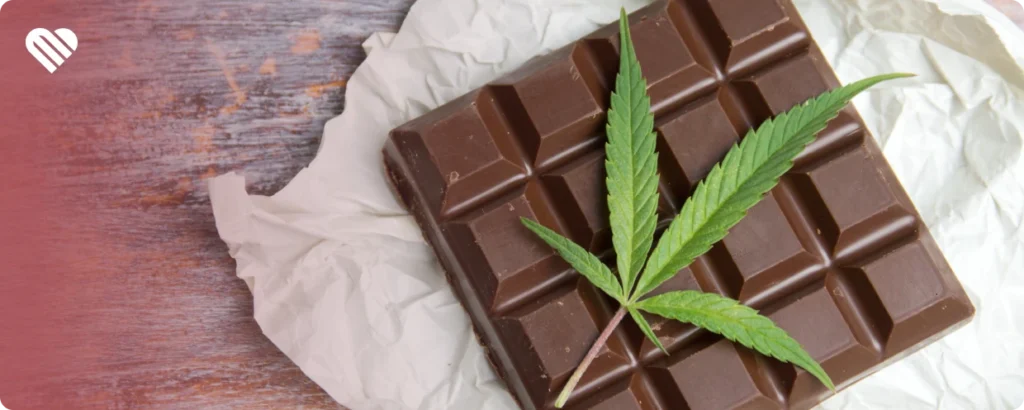
Edibles are a broad category of cannabis with a wide range of choices. Any food or beverage infused with cannabinoids, including but not limited to THC and CBD, falls into the edible category.
From macro-dosed to micro-dosed, edibles come in numerous forms, with different onset times, flavors, and consistencies.
Edibles can be produced from various types of cannabis products, such as:
- Decarboxylated Flower
- Distillate
- Extracted Oil
- Nanoemulsified Oil Droplets
- Nanoemulsified Powder
- Various Other Infused Bases
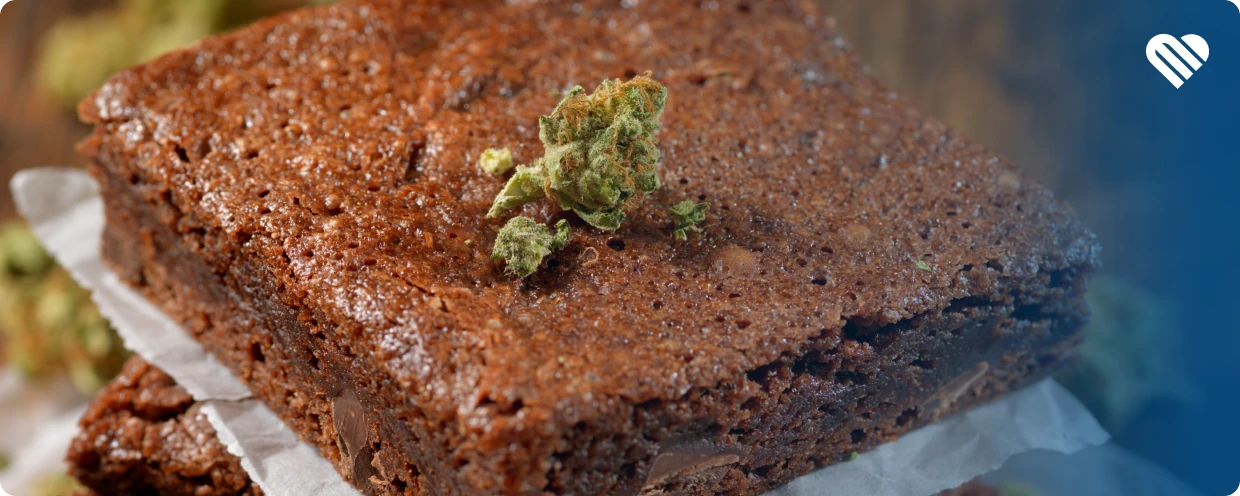
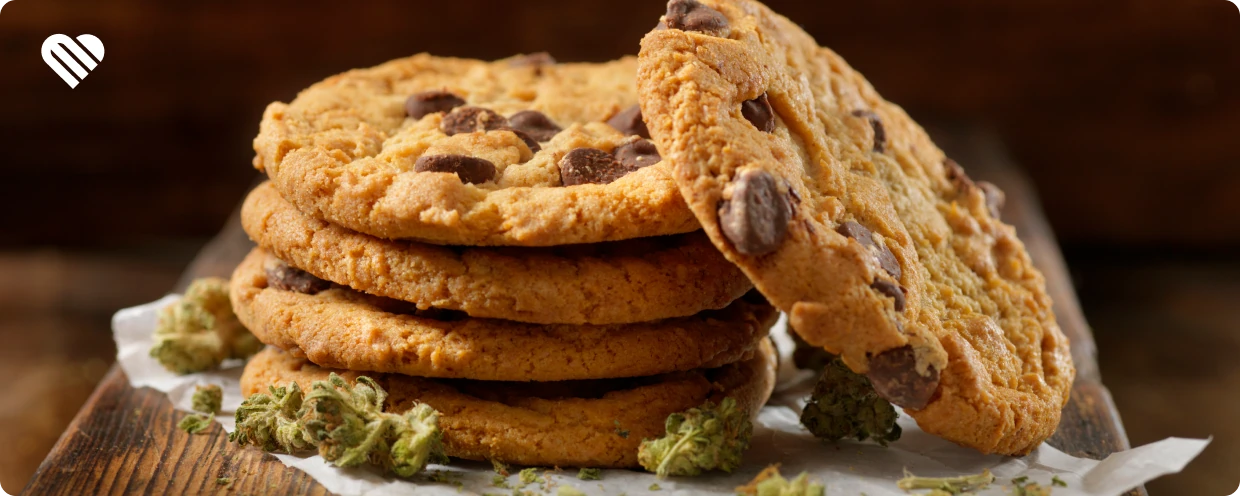
In the past, edibles were primarily made with butter, teas, and sweets, like cookies and brownies. Today, just about anything is infusible.
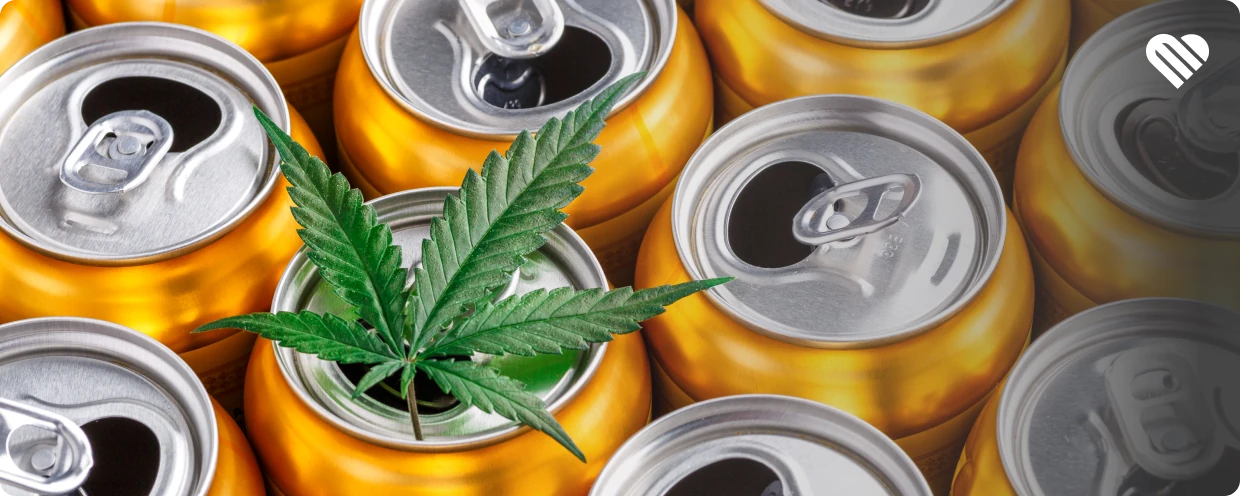
Take a look at a dispensary or online marketplace, and you’ll see the range of choices. From THC-infused weed water to CBD powders to 5:1 ratio olive oils and so much more, product choice continues to grow.1,2
Edibles Side Effects
Cannabis is known to produce a range of effects.
The range of effects commonly experienced includes:3
- Motor Control Impairment
- Altered Perceptions Of Time And Space
- Euphoria
- Intensification Of Ordinary Sensory Experiences
- Overeating (i.e., extreme munchies)
- Sensory Intensification
- Spatial Distortion
It's important to note that edible effects can feel amplified because they are processed by the digestive system and metabolized in the liver.4 This process drastically slows down the onset time of the effects compared to smoking, vaping, or consuming a sublingual under the tongue. While some new edible products have a rapid onset, most take effect in 30 to 120 minutes.5
Overconsumption
Be sure to check the dosage of your edibles before consuming them. And note that even low-dose products can feel potent to some users.
While most edible packages contain an average of 100mg of THC, some items, depending on the market in which they were purchased, can vastly exceed that limit. In some cases, often homemade or non-regulated products, the precise dosage of the edible is unknown.
Even if the product is properly dosed, numerous factors affect the experience. Factors including weight, metabolism, gender, and eating habits all influence how THC will interact with us at any given time.2
Onset of Effects Takes Time
Onset time is the time it takes for someone to feel the effects of a substance.
While some edibles have rapid onset times, most take 30 to 120 minutes to start. This prolonged wait can sometimes lead people to consume a second dose or more before the full effects of the original dose kick in. And while the effects of edibles will fade over time, consuming doses beyond your tolerance level can lead to overconsumption effects.
If you aren’t sure about a product’s dosage or want to play it safe, consider starting with half a piece. Then wait a few hours to see if you feel the desired effects. If you feel like you need a second round, take a small dose and wait again. This is known as the “start low, go slow” method for finding your ideal dose of any consumption item.4
Possible Drug Interactions
Cannabis has the potential to produce adverse reactions when mixed with other medications. Some prescribed pharmaceuticals have reported histories of negative interactions with THC or other cannabinoids.6 Cannabis has been reported to affect a wide variety of common drugs, including but not limited to
Cannabis is associated mainly with positive internal effects. However, there are some individuals and instances where that isn’t the case. On rarer occasions, adverse effects can include side effects such as:
- Increased Drowsiness
- Higher Anxiety Levels
- Altered Blood Pressure
- Reduced Serotonin Uptake/Symptoms of Serotonin Syndrome
Consumers are strongly advised to consult with a medical professional before mixing cannabis with any prescribed medications, over-the-counter options, supplements, or otherwise.
When Are Edibles Bad?
Are edibles bad? While the answer can be subjective, edibles are generally safe in appropriate doses to a user's tolerance level. Many consumers enjoy them and consider them 'good'.
Edibles often yield a range of benefits. However, there can be adverse side effects and drawbacks to the consumption method, including:
- When you need an exact dose: Regulated edibles in legal markets are required to dose accurately, but homemade and off-market products struggle with consistent dosing.
- When your tolerance is low: Edible effects can feel more potent, so if you have never tried edibles before or have a lower tolerance, remember to start low and go slow.
- If you're on medication: Some medicines, supplements, and other remedies and treatments may be affected by cannabis. This also applies to surgery, where weed consumers often report needing more anesthesia.7
- If you're pregnant or breastfeeding: Conflicting reports make it difficult to gauge the effects on mothers and their children, leaving this pressing subject up for much more analysis.
- If you're worried about occupational risks: Jobs requiring operating machinery, quick thinking, sharp coordination, and other tasks that are often diminished by cannabis should be particularly wary of using edibles or any cannabis during work.
- If you're trying to be present during social situations: Edibles can make some people quiet or sedated, affecting their ability to interact.
- If you need a product with a long shelf life: Infused edibles are just like any other non-infused food or beverage. With the exception of infused honey, powders, and a few other choices, every item has an expiration date.
- If you have dietary concerns: Most edibles are known to be high in sugar content or may contain allergens like gluten or nuts. Make sure to check the ingredient list if you have any allergies or dietary restrictions.
Can You Die From Edibles?
Generally, no. If you have allergies, you may be more concerned about those than an overdose of THC.
Cannabis intoxication has been linked to few, if any, direct deaths. The cause of this effect is marijuana's low toxicity, and its inability to produce respiratory failure like an opioid can create.8
While overconsumption can create a bad experience, many people consume edibles frequently without issue. If you have allergies, be aware of ingredients in your edibles, such as milk, eggs, nuts, and other common allergens, which may be used in their production.
Another wise choice would be to shop only from reputable brands, or make your own. Edibles made by unlicensed and unknown sources always carry a certain level of risk. Without proper food safety measures or regulatory safety guidelines in practice, edibles may contain allergens, contaminants, or be inconsistently or overdosed.
How To Consume Edibles Safely
Start Low and Go Slow
The start low, go slow method is the best way to avoid overconsumption when consuming edibles. This allows you to have as much control over the experience possible.
Be Aware of the Different Effects of Edibles and Smoking
Compared to edibles, which can take up to 2 hours, the onset of effects from combustible cannabis consumption methods, like vaping and smoking, is often felt within a few moments after consuming. Sublinguals don’t take much longer, often kicking in around 15 minutes.
And remember, do your best to know your dosage and take time to learn your preferred consumption method. The best way to consume cannabis is whichever method works best for you.
Understand the Laws and Regulations Surrounding Edibles
Since America doesn't have federally legalized cannabis, each state is left to make its own rules regarding the marketplace. Laws vary from state to state, including what products are offered, allowable doses, and even packaging requirements.
It helps to understand the legal status of cannabis and other important marketplace rules in your state or whenever you visit another legal market. Reading the guidelines helps to know what is legally available for purchase and other vital details.
Dosage and Labeling
You should always check the details of an item before consuming it. Checking labels for expiration dates and ingredients is essential to your wellness and overall product experience.
Proper dosage is also essential when making edibles at home. Avoid under- or overdosing edibles by using an edibles calculator to ensure a consistent dose every time.
Store Edibles Securely
Edibles are most likely to stay freshest when stored in a cool, dark place where exposure to UV light and other elements is minimized.
Remember that edibles will vary in storage needs depending on the product. Certain drinks and foods will need to be refrigerated, while others can be stored in a Rubbermaid or Pyrex container in the cabinet.
Parents and pet owners must also ensure that their products are stored safely and out of reach of little ones, whether two-legged or four-legged. Ideally, keep your edibles in a locked space that only you and other adults can access.
Have a Support System
Almost every cannabis consumer has felt too intoxicated at times, and not everyone has a built-in support system at home. However, it's nice to have someone to share and talk with during an overwhelming cannabis experience, especially if it's your first time.
Let a friend know you'll be taking an edible and may reach out to them if you start to feel uncomfortable.
For people who may not have a direct support system. There are organizations like Fireside Project that have a Psychedelic Peer Support Line to provide help to individuals during and after a psychedelic experience. Through this project, callers who are military veterans or who identify as BIPOC or transgender can connect with a support line volunteer to talk them through a less-than-desirable consumption experience.
References
- Spindle TR, Bonn-Miller MO, Vandrey R. Changing landscape of cannabis: novel products, formulations, and methods of administration. Curr Opin Psychol. 2019;30:98-102. doi:10.1016/j.copsyc.2019.04.002 ↩︎
- Barrus DG, Capogrossi KL, Cates SC, et al. Tasty THC: Promises and Challenges of Cannabis Edibles. Methods Rep RTI Press. 2016;2016:10.3768/rtipress.2016.op.0035.1611. doi:10.3768/rtipress.2016.op.0035.1611 ↩︎
- Turner AR, Spurling BC, Agrawal S. Marijuana Toxicity. In: StatPearls [Internet]. StatPearls Publishing; 2023. https://www.ncbi.nlm.nih.gov/books/NBK430823/ ↩︎
- Lucas CJ, Galettis P, Schneider J. The pharmacokinetics and the pharmacodynamics of cannabinoids. Br J Clin Pharmacol. 2018;84(11):2477-2482. doi:10.1111/bcp.13710 ↩︎
- MacCallum CA, Russo EB. Practical considerations in medical cannabis administration and dosing. European Journal of Internal Medicine. 2018;49(49):12-19. doi:https://doi.org/10.1016/j.ejim.2018.01.004 ↩︎
- Lopera V, Rodríguez A, Amariles P. Clinical Relevance of Drug Interactions with Cannabis: A Systematic Review. Journal of Clinical Medicine. 2022; 11(5):1154. https://doi.org/10.3390/jcm11051154 ↩︎
- Alexander JC, Joshi GP. A review of the anesthetic implications of marijuana use. Proc (Bayl Univ Med Cent). 2019;32(3):364-371. Published 2019 May 21. doi:10.1080/08998280.2019.1603034 ↩︎
- National Academies of Sciences, Engineering, and Medicine, Health and Medicine Division, Board on Population Health and Public Health Practice. Injury and Death. In: The Health Effects of Cannabis and Cannabinoids: The Current State of Evidence and Recommendations for Research. National Academies Press (US); 2017. https://www.ncbi.nlm.nih.gov/books/NBK425748/ ↩︎
The information in this article and any included images or charts are for educational purposes only. This information is neither a substitute for, nor does it replace, professional legal advice or medical advice, diagnosis, or treatment. If you have any concerns or questions about laws, regulations, or your health, you should always consult with an attorney, physician or other licensed professional.